The dawn of the highly anticipated 2026 Formula 1 season was supposed to usher in a brilliant, flawless new era of motorsport. It was billed as a revolutionary leap forward—a spectacular showcase of lighter, smarter, and incredibly efficient racing machines. At the heart of this transformation was a bold mandate: a perfect fifty-fifty split between traditional internal combustion and cutting-edge electric energy recovery.
Fans and pundits alike were promised an unparalleled fusion of sustainability and blistering speed. However, as the dust settles on the initial pre-season testing sessions in Barcelona and Bahrain, a starkly different reality is beginning to emerge. The cars have barely finished turning their first genuine laps in anger, yet the meticulously crafted rulebook is already trembling under the weight of unexpected trackside realities.
In a surprising turn of events, the sweeping regulations that were meant to define the next half-decade of the sport are already facing intense scrutiny from the very people tasked with executing them. The Federation Internationale de l’Automobile, universally known as the FIA, has openly acknowledged a significant and potentially game-changing reality: they might need to alter the regulations before the championship battle has even truly begun.
This admission sends a massive ripple through the paddock, raising critical questions about the viability of the ambitious hybrid formula and setting the stage for a deeply political and highly technical battle among the sport’s elite constructors.
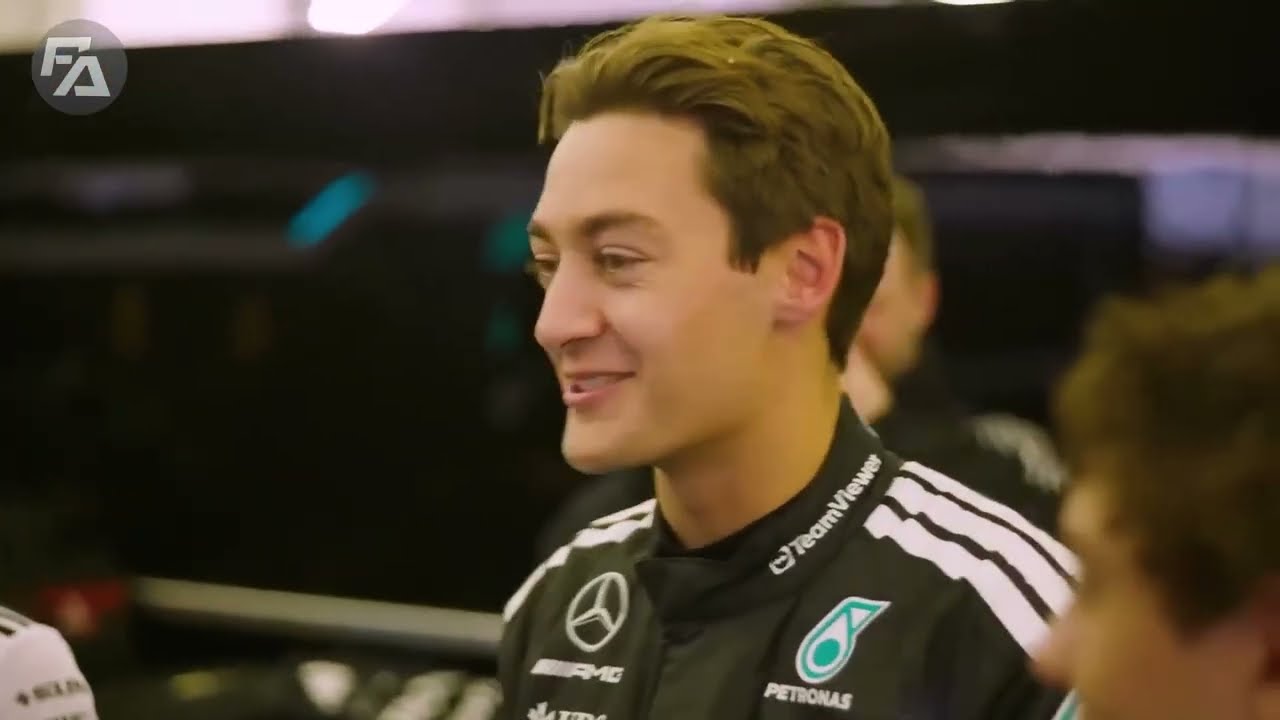
When the drastically redesigned 2026 cars finally hit the tarmac, the feedback from the men inside the cockpits was anything but unified. The paddock quickly fractured into distinct camps, creating a fascinating psychological and competitive divide. On one side of the spectrum, drivers like McLaren’s Lando Norris and Mercedes’ George Russell offered relatively positive assessments of the new machinery. They found silver linings in the handling and the unique power delivery of these highly complex vehicles. However, a profoundly vocal contingent of the sport’s most decorated champions stood firmly on the other side. Max Verstappen, Fernando Alonso, and Lewis Hamilton—men who hold multiple world titles and possess an intrinsic understanding of elite vehicle dynamics—were conspicuously unimpressed.
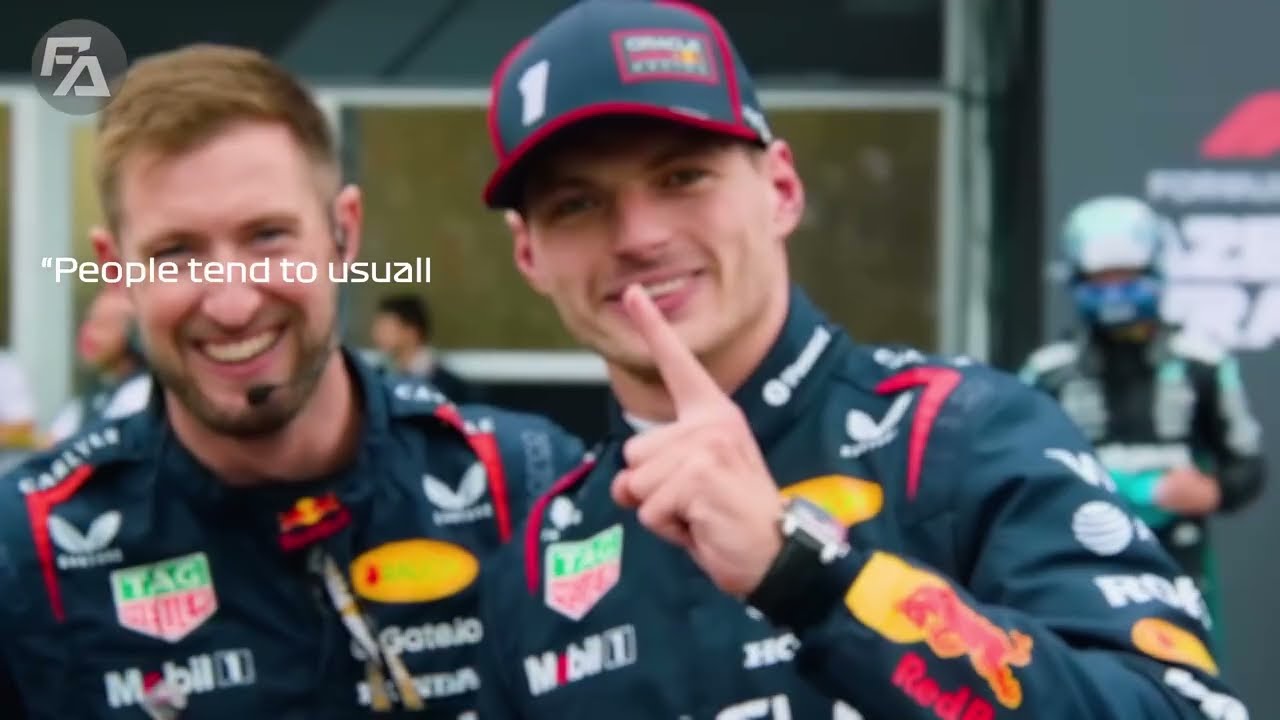
Verstappen, never one to mince his words, summarized the situation with a biting piece of paddock humor. He joked that the drivers who were genuinely satisfied with the new cars could comfortably fit inside a tiny pop-up tent, whereas the unhappy drivers would require a sprawling, massive encampment to house their grievances. This was not merely a throwaway comment meant to entertain the media; it was a blaring warning siren regarding the fundamental drivability of the new generation of cars. Even Norris, who had initially been one of the more optimistic voices, conceded that the current iteration of the cars does not represent the purest form of racing. In the high-stakes world of Formula 1, when the drivers themselves begin to question the core purity of the competition, it becomes undeniable that something fundamental is misaligned.
The primary culprit behind this widespread dissatisfaction is a terrifying phenomenon that Verstappen aptly described as being “energy poor.” The grand vision for 2026 heavily relied on a fifty-fifty power distribution, seamlessly blending the raw output of an internal combustion engine with massive electrical energy deployment. Yet, on the notoriously demanding straights of modern circuits, this utopian balance is falling apart. Imagine a driver perfectly executing a complex sequence of corners, aggressively burying the throttle on the exit, and hurtling down a massive straightline—only to suddenly feel the acceleration inexplicably plateau and fade. Because the battery reserves empty far quicker than anticipated, drivers are left utterly exposed, robbed of the breathtaking top speeds that have long been the hallmark of Formula 1.
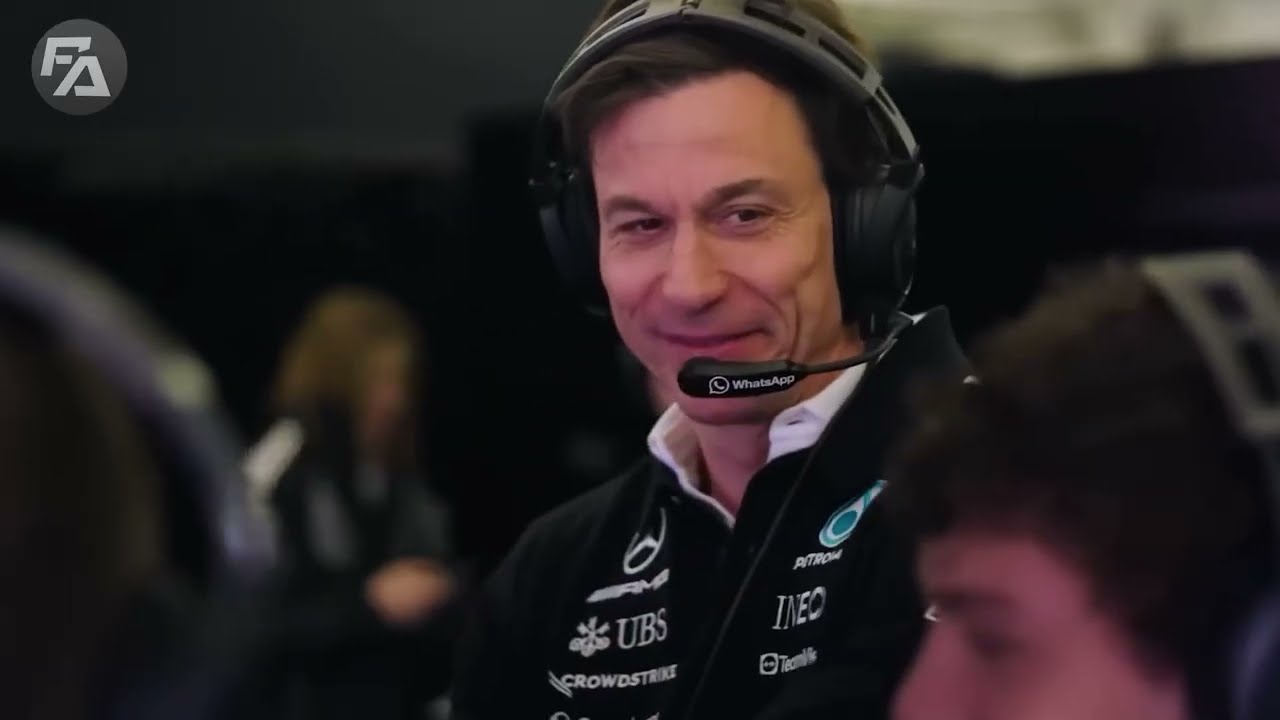
To counteract this critical lack of sustained deployment, the FIA is quietly exploring solutions. Nicholas Tombazis, the FIA’s highly respected single-seater director, stepped into the media spotlight to offer a calm, measured perspective. Tombazis subtly suggested that the governing body might allow drivers to harvest and recover significantly more electrical energy per lap. While this sounds like a logical fix on paper, it introduces a highly controversial side effect. Increased energy harvesting inevitably forces drivers to drastically alter their driving styles through the corners. It requires extreme management, early lifting off the throttle, and complex mental calculations regarding when and where to deploy power. Critics are already asking a piercing question: is this the pinnacle of gladiatorial motorsport, or is it merely high-speed accounting conducted at three hundred kilometers per hour?
Despite the mounting anxiety, Tombazis has worked diligently to downplay the severity of the crisis. He reminded the motorsport community that the initial simulator data from the previous summer and autumn had sparked catastrophic concerns, making the actual track feedback in Barcelona and Bahrain seem almost comforting by comparison. Tombazis firmly believes that the regulatory framework is fundamentally sound, stating confidently that the governing body has successfully completed ninety percent of the necessary work to get the sport into a competitive and reasonable place.
However, in the hyper-competitive environment of Formula 1, that missing ten percent represents an absolute chasm. Ten percent is the vast, unforgiving gap between standing victorious on the top step of the podium and languishing helplessly in the midfield. Recognizing this, the FIA has openly stated that they are completely conscious of the need to make adjustments. They have known since the framework was drafted in 2022 that a true fifty-fifty power split would be exceptionally difficult to balance. Yet, instead of panicking, they are approaching the situation as a long-term evolutionary process, repeatedly emphasizing that this regulatory cycle is a marathon, not a frantic sprint. Crucially, any imminent changes to the energy deployment strategies will likely be mandated through complex software adjustments rather than requiring the immensely costly and disruptive process of physically rebuilding the engines.
While the highly visible debate over energy deployment captures the public’s imagination, an even more intense and secretive battle is quietly raging behind closed doors. This secondary conflict revolves around a seemingly innocuous, highly technical metric: the 16:1 compression ratio limit. When the engine regulations were initially locked in, this hard limit was established to ensure stability, prevent skyrocketing development costs, and guarantee a level playing field among the prestigious power unit manufacturers. But Formula 1 engineers are widely considered some of the most brilliant and ruthless minds in the world. True to form, as pre-season testing unfolded, murmurs began circulating the paddock that a clever technical gray area had been exploited.
The controversy hinges on exactly how the compression ratio is measured. The regulations, as written, left a tiny window of interpretation regarding whether the ratio should be assessed at ambient room temperatures or at blisteringly hot operational temperatures. By exploiting this minute gap in the rulebook, some manufacturers may have found a fully legal, highly ingenious method to operate at a higher compression ratio out on the track. Tombazis was incredibly careful to stress that no one is being accused of cheating or breaking the rules. This is simply a classic case of brilliant engineering minds doing exactly what they are paid millions of dollars to do: finding a smarter, faster path through the rigid confines of the rulebook.
Yet, the emotional fallout from this discovery has been explosive. Mercedes team principal Toto Wolff reportedly attempted to minimize the impact, suggesting that optimizing this specific compression loophole would yield a minuscule advantage of perhaps two to three horsepower. Max Verstappen vehemently disagreed, scoffing at Wolff’s assessment and suggesting the actual performance gain could be ten times higher. In a sport where pole positions and race victories are routinely decided by mere thousands of a second, an advantage of twenty or thirty horsepower is not a negligible rounding error—it is a devastating straight-line weapon that can easily dictate the outcome of a world championship.
Faced with the prospect of an uneven playing field built on a technicality, the FIA has officially launched an electronic vote among the power unit manufacturers to clarify and tighten the measurement protocols. But the governing body is acutely aware of the delicate tightrope they must walk. Tombazis highlighted the innate unfairness of drastically altering the rulebook mere weeks before the opening race in Melbourne. The teams have spent countless hours and astronomical budgets designing their 2026 power units based strictly on the regulations as they were originally written. To pull the rug out from under them at the eleventh hour would be a catastrophic breach of trust.
Consequently, a calculated compromise has been proposed. If the regulatory vote secures the necessary supermajority, the new, stricter measurement standards will not take effect immediately. Instead, manufacturers have been given a firm deadline of August 1st—shortly after the Hungarian Grand Prix—to bring their engines into compliance. This balanced approach ensures that no team is ambushed or unfairly punished at the start of the season, while also preventing the loophole from dictating the entirety of the championship narrative.
As the Formula 1 circus packs up its equipment and sets its sights on the Australian Grand Prix, the atmosphere is electric with a potent mixture of anticipation, anxiety, and high emotion. The simulations have concluded, the theoretical debates are over, and the time for pure, unadulterated racing has finally arrived. The sport stands on the precipice of a brave new era, but the foundation is undeniably shifting beneath its feet. Will the FIA’s measured, incremental adjustments be enough to deliver the thrilling, wheel-to-wheel combat the fans desperately crave? Or are these early disputes the first visible cracks in a fundamentally flawed regulatory revolution? Only time will tell, but one thing is absolutely certain: the battle for supremacy in 2026 has already begun, and the stakes have never been higher.
