Formula 1 has always been a sport defined by pushing the absolute limits of engineering, bravery, and speed. However, the dawn of the 2026 regulations is currently painting a very different, and deeply concerning, picture.
What was supposed to be a revolutionary leap into the future of sustainable, high-tech racing has quickly devolved into a controversial puzzle that is frustrating drivers, alarming team principals, and confusing fans. The first few races under this new technical directive have exposed the good, the bad, and the downright ugly all at once.
The situation has escalated so rapidly that F1 stakeholders are now heading into a crunch meeting on April 9th, desperately trying to solve the biggest problems before the Miami Grand Prix. This is not a trivial behind-the-scenes conversation about fine print; this is a monumental meeting that could fundamentally reshape the entire feel and trajectory of the season.
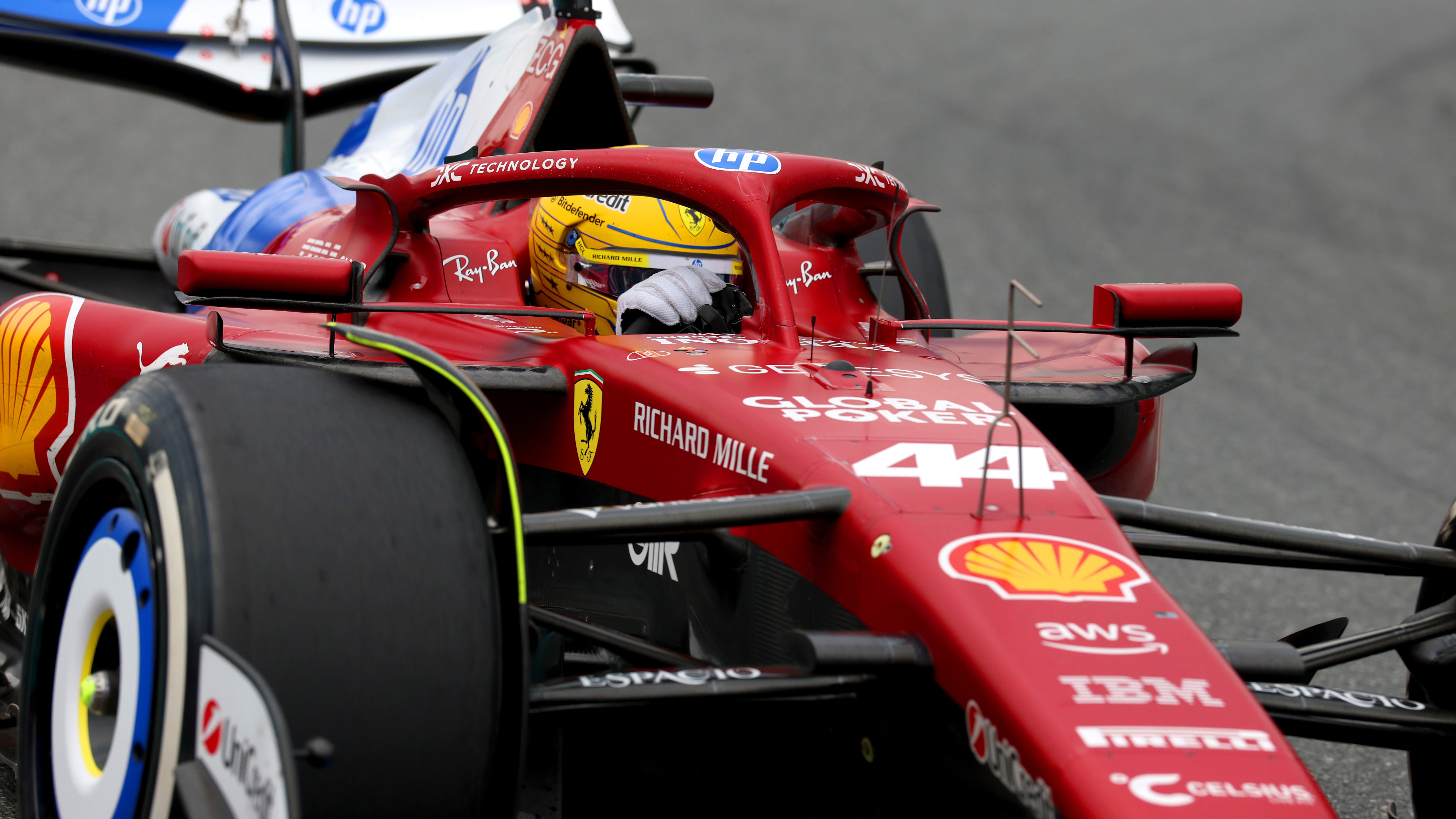
Right now, the sport is wrestling with a bizarre mix of reactions. While some appreciate the technical fascination of the new hybrid systems, many fans and drivers are realizing that the current package requires immediate and serious surgery. Formula 1 is not simply dealing with a single, isolated issue; it is facing a multifaceted crisis that manifests in several distinct ways on the race track. The three most glaring issues currently plaguing the grid are alarming safety risks, the complete loss of qualifying magic, and the highly awkward way these new cars suddenly lose speed at the end of long straights. The latter is perhaps the most visually jarring for viewers at home. Instead of a clean, all-out sprint to the braking zone, the cars look as though they are colliding with an invisible wall of resistance. For a sport fundamentally built on maximum attack, watching drivers perform a delicate balancing act between pushing and protecting energy is a highly uncomfortable place to be.
The urgency of the upcoming April 9th meeting cannot be overstated. Bringing together team technical chiefs, engine manufacturer representatives, and the heavyweights of the FIA and F1 organization signals that this is no longer a distant, theoretical problem. It is an immediate, right-now crisis. When the famously divided Formula 1 paddock reaches a consensus that action is needed, you know the evidence is overwhelming.
Perhaps the most terrifying catalyst for this sudden urgency was the recent crash involving young talent Oliver Bearman. This incident violently shifted the conversation from one of awkward racing aesthetics to one of undeniable peril. What made Bearman’s situation so incredibly serious was not just the raw speed of the cars, but the massive speed differential between two vehicles operating under completely different energy management protocols at the exact same time on the track. One car was engaged in full boost mode, deploying every ounce of electrical energy available, while the car directly ahead was locked into an energy-saving “lift and coast” mode to rapidly recover battery power. This created a terrifying closing speed that simply should not exist in modern Formula 1. When you are dealing with speed differences of around 50 km/h in the blink of an eye, you are entering highly dangerous territory.
This is exactly the nightmare scenario that McLaren’s Andrea Stella and other sharp minds in the paddock had been warning about long before the crash ever happened. The inherent fear was always that these complex new energy systems would create wildly unpredictable speed deltas, particularly on high-speed straights where drivers rely on consistency and predictability to survive. Now that this fear has materialized into twisted metal and shattered carbon fiber, the tone inside the paddock has drastically shifted from mild concern to absolute urgency. You can no longer justify waiting for more data when the current data clearly shows that the system creates scenarios where drivers are effectively blindsided by cars behaving entirely differently in the exact same braking zones. Predictability is everything when you are racing wheel-to-wheel at over 300 km/h. If a driver does not know whether the car ahead is about to dramatically decelerate or continue accelerating, their reaction window shrinks to almost nothing. Safety has rightfully skyrocketed to the absolute top of the agenda.
Beyond the undeniable safety concerns, there is a deep, emotional wound being inflicted on the sport’s entertainment value, specifically during qualifying. For decades, Saturday qualifying has been the purest distillation of Formula 1: a man and a machine operating on a razor’s edge, completely unleashed for one glorious lap. Today, however, that magic is fading. Drivers are growing deeply frustrated because the all-out, knife-edge Q3 laps that used to define the session are being systematically replaced by heavy energy management, lifting and coasting, and a controversial technique known as “super clipping.”
The fastest lap on Saturday is no longer solely about a driver’s bravery, raw talent, and precision. It has morphed into a mathematical contest of who can best manage the computer logic, the complex deployment windows, and the energy curve. When a driver of Charles Leclerc’s caliber openly admits that the wild, on-the-edge Q3 laps are essentially gone, it is a devastating indictment of the rules. The identity of qualifying is being replaced by something that feels heavily calculated, synthetic, and far less visceral. Even Lando Norris has powerfully stated that it “hurts your soul” to see the cars drop off in speed so dramatically at the end of a straight. If the fans watching at home feel like a software algorithm is deciding pole position rather than the driver’s heroics, Formula 1 has a massive existential problem on its hands.
So, how does the sport fix a problem deeply baked into its own rulebook? The solutions currently on the table for the crunch meeting are fascinating, and some seem counterintuitive at first glance. To address the dangerous speed differentials, one key idea is to significantly reduce the need for lifting and coasting by making it easier to recover energy while the driver is still on the throttle. Currently, the regulations cap on-throttle harvesting at around 250 kilojoules, compared to a massive 350 kilojoules when lifting. This artificial imbalance heavily incentivizes the exact driving behavior that leads to dangerous closing speeds. By equalizing those numbers, the sport could instantly remove the incentive to suddenly back off the throttle, leading to far more consistent straight-line speeds and fewer heart-stopping surprise slowdowns.
To rescue the spectacle of qualifying, technical chiefs are debating whether to reduce the maximum power deployment from the battery. While this would technically make the cars slightly slower, the massive benefit is that the electrical energy would last much longer across the straights. Instead of dumping all the power early and dying out before the braking zone, drivers would enjoy a consistent push all the way through the speed trap, making laps look like proper flat-out efforts once again. Another bold proposal involves slashing the amount of energy that can be recovered per lap from 9 megajoules down to 7 or even 6. With less energy available in the system, drivers wouldn’t need to rely on awkward super clipping or massive lifting phases; they could naturally recover what they need purely under heavy braking.
Looking beyond immediate fixes, the paddock is also whispering about radical long-term changes that could fundamentally alter the 2026 era. Ideas like completely opening up the use of active aerodynamics are gaining immense traction. Imagine drivers having the full freedom to deploy ultra-low drag modes across massive sections of the track, reducing energy demand and giving teams true strategic freedom. Furthermore, there are intense debates about shifting the power balance back toward the screaming internal combustion engine and away from the heavy, complex battery systems—though this is realistically a solution for 2027 given the current engineering constraints.
Ultimately, every proposed tweak, rule change, and software adjustment points to one undeniable truth: Formula 1 must give control back to the drivers. The current rulebook is so overwhelmingly complex that even the best drivers in the world are being caught out by algorithms that interpret a tiny throttle lift as a command to completely alter energy deployment. That is not racing instinct; that is software interpretation. As the sport races toward this pivotal emergency meeting, the stakes could not be higher. Formula 1 is not waiting for a full season of bitter complaints before reacting; they are actively trying to fix the cracks before the foundation crumbles. The ultimate question the FIA, the teams, and the fans must answer is simple: Do we want a sport defined by incredible bravery and absolute speed, or a high-speed battery management test? For the sake of the sport’s soul, let us hope they choose the former before the lights go out in Miami.
