Prince Harry and Meghan Markle’s recent visit to Jordan has ignited intense debate after it became clear that the Duke and Duchess of Sussex did not receive an official meeting with King Abdullah II or Crown Prince Hussein. The absence of a traditional royal welcome during their trip to Amman has led royal commentators and observers to question whether the situation reflects a deliberate diplomatic distance or simply a scheduling conflict. For many analysts, the episode has become another chapter in the ongoing story of how the Sussexes navigate international appearances after stepping back from their official roles within the British Royal Family.
The Duke and Duchess of Sussex arrived in the Jordanian capital late on Tuesday night as part of a short humanitarian-focused trip across the Middle East. Within hours of landing, the couple began a series of visits to charitable organizations and humanitarian projects, creating numerous public appearances that resembled the style of official royal tours they once conducted as senior members of the monarchy. Their schedule included meetings with aid workers, health officials, and community leaders, all aimed at highlighting international cooperation and humanitarian support in the region.
One of the most discussed moments of the trip took place at the residence of the British Ambassador in Amman, where Harry and Meghan attended a gathering that included officials from the World Health Organization and embassy staff. The event attracted attention not only because of its high-profile guests but also because critics argued that hosting the Sussexes in an official diplomatic setting raised questions about their status. Since the couple stepped down from their roles as working royals in 2020, they have repeatedly emphasized that they are now private individuals pursuing independent charitable and media projects.

Despite this new status, their Jordan visit closely resembled a traditional royal engagement schedule. Meghan visited a rehabilitation center in Amman, where she met with staff members and individuals receiving treatment. The Duchess chose a more accessible fashion style for the occasion, wearing a high-street jacket from Zara rather than the haute couture typically associated with royal appearances. Supporters praised the choice as a signal of approachability, while critics viewed the moment as symbolic of the couple’s attempt to maintain a royal image despite stepping away from official duties.
What drew the most attention, however, was who did not appear during the visit. King Abdullah II of Jordan, widely known for his strong relationship with the British Royal Family, did not schedule any meetings with the Sussexes. According to sources familiar with the visit, no official encounter was arranged between the Jordanian monarch and the Duke and Duchess of Sussex. Crown Prince Hussein, who has developed a friendly relationship with Prince William over the years, was also absent from the couple’s schedule.
The absence stood out particularly because of the long-standing friendship between the Jordanian and British royal families. King Abdullah II has maintained close ties with King Charles III for many years. Their relationship was publicly highlighted during official visits and international events, including a meeting in London where the two leaders were photographed greeting each other warmly. King Abdullah and Queen Rania were also prominent guests at King Charles’s coronation ceremony, underscoring the strength of the diplomatic and personal relationship between the two monarchies.
The connection extends to the next generation as well. Crown Prince Hussein of Jordan and Prince William have spent time together during several visits in both the United Kingdom and Jordan. Their friendship has included informal activities such as watching football matches and official engagements like visits to military facilities. The Prince and Princess of Wales were also among the international royal guests who attended Crown Prince Hussein’s wedding to Princess Rajwa in 2023, demonstrating the closeness of their families.
Because of these strong ties, the lack of a meeting between the Jordanian royal leadership and the Sussexes quickly sparked speculation. Some commentators suggested that the situation might reflect the complicated relationship between Prince Harry, Meghan, and the rest of the British Royal Family. Since stepping back from royal duties, the couple has spoken openly about their experiences within the monarchy, including criticism that has occasionally created tension with other members of the family.
However, others cautioned against interpreting the situation too quickly as a deliberate diplomatic snub. Royal schedules are often determined months in advance, and high-level meetings depend on a wide range of logistical and political considerations. During the same period that Harry and Meghan were in Amman, King Abdullah II held official discussions with Indonesian President Prabowo Subianto as well as meetings with international officials involved in global health initiatives. These engagements may simply have taken priority within the monarch’s calendar.
Interestingly, the Sussexes did briefly interact with a member of the Jordanian royal family during their trip. They met Princess Basma bint Talal, an aunt of King Abdullah II, during a visit to a program run by the Jordanian Hashemite Fund for Human Development. Although the meeting was cordial, it did not carry the same symbolic weight as a formal encounter with the king or crown prince.
The trip also attracted political attention in the United Kingdom. Some British politicians questioned why the British Embassy in Jordan had provided a platform for the Sussexes during their visit. Former minister Tim Loughton argued that hosting the couple at the ambassador’s residence could create confusion about their status. Since Harry and Meghan are no longer working representatives of the British government or monarchy, critics say official diplomatic venues should be cautious about appearing to endorse their activities.
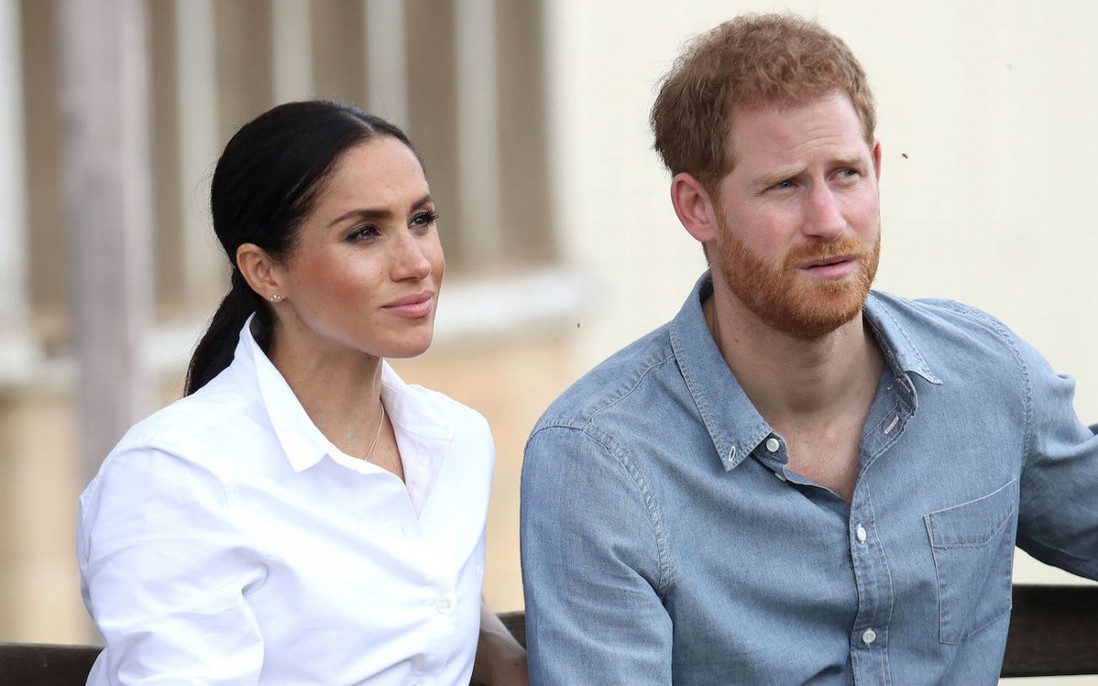
Supporters of the couple, however, argue that their humanitarian efforts should be welcomed regardless of their formal royal status. They point out that the Sussexes’ charitable organization, Archewell Philanthropies, has partnered with international organizations such as the World Health Organization. From this perspective, the couple’s visit to Jordan was primarily about highlighting humanitarian initiatives rather than replicating the ceremonial aspects of royal diplomacy.
For the Sussexes themselves, the trip appears to represent another step in redefining their public roles outside the British monarchy. Since relocating to California, Harry and Meghan have focused on building a global presence through philanthropy, media projects, and advocacy campaigns. Their international visits often attract significant attention precisely because they blur the lines between private celebrity activity and the type of diplomatic engagement traditionally associated with royal figures.
Whether the absence of meetings with Jordan’s top royal leaders was intentional or simply the result of scheduling realities may never be fully confirmed. What is clear, however, is that the episode has reignited debate about the Sussexes’ evolving position on the global stage. As they continue to pursue independent initiatives while retaining their royal titles, every international appearance inevitably invites comparisons with the traditional role of the British Royal Family.
In that sense, the Jordan visit illustrates the complicated balance the couple must maintain as they shape their new public identity. Their efforts to promote humanitarian causes are often welcomed, yet the shadow of their former royal status continues to influence how their actions are interpreted. As long as Prince Harry and Meghan Markle remain among the most closely watched figures connected to the British monarchy, moments like this will likely continue to spark discussion about diplomacy, loyalty, and the evolving meaning of modern royalty.
