The heavy velvet curtain has finally been pulled back on the most anticipated technical revolution in Formula 1 history. For months, the paddock has been shrouded in secrecy, with teams guarding their 2026 designs like state secrets.
But as the engines silenced and the tire smoke cleared over the Circuit de Barcelona-Catalunya on January 31st, the veil was lifted, revealing a landscape that is as terrifying as it is exhilarating. The “information blackout” is over, and what has emerged is a raw, naked power hierarchy that has completely redefined the DNA of the sport.
This wasn’t just another winter testing session. This was the first glimpse into a brave new world where cars breathe with active aerodynamics and engines scream with a new, guttural roar.
The data coming out of Barcelona isn’t just surprising; it’s shocking. From the bulletproof reliability of Mercedes to a thunderous, last-minute statement from Ferrari and Lewis Hamilton, the 2026 season promises to be a brutal engineering war where only the bravest will survive.
The Return of the “Beasts”: A Driver’s Nightmare
Before dissecting the lap times, we must address the visceral nature of the new machinery. The 2026 regulations were designed to shake up the grid, but few predicted just how aggressive these new cars would be. Gone is the MGU-H (Motor Generator Unit-Heat), and with it, the muffled, polite sound of the turbo-hybrid era. In its place is a raw, high-revving acoustic experience that has brought the “noise” back to F1. But the sound is just the beginning.
These cars have undergone a radical visual and mechanical transformation. With a roughly 30% reduction in downforce and the introduction of active aerodynamics that shift the character of the airflow in milliseconds, the cars have become unpredictable animals. The stability drivers grew accustomed to in the ground-effect era has evaporated.
Reports from the track describe drivers “sweating behind the wheel like lion tamers,” fighting the steering wheel at every corner entry. The rear ends of these cars are prone to snapping without warning, demanding a level of reflex and precision we haven’t seen in decades. Lando Norris described the experience as a desperate “scrabble for grip,” confirming that this new generation of cars will separate the good drivers from the great ones. The 350 kW electrical power burst on the straights delivers acceleration that Lewis Hamilton calls “more fun and slidy,” but it comes at a cost: the car is always on a knife-edge. This isn’t just about who has the fastest car anymore; it’s about who can tame the beast without being bitten.
Mercedes: The Bulletproof Juggernaut
If reliability is the foundation of a championship challenge, Mercedes has already poured the concrete. The W17 left Barcelona as the undisputed benchmark for durability, logging a staggering 2,328.5 kilometers between George Russell and rookie sensation Kimi Antonelli. To put that into perspective, that is an entire half-day of testing distance more than their closest rivals at Ferrari.
The atmosphere at Brackley must be electric. Engineers have confirmed that the car’s correlation with the simulator is better than expected, meaning the ghosts of the “zeropod” era and the erratic handling of the past few years have been exorcised. The W17’s core chassis geometry appears to be purged of past errors, offering a stable platform that has left rivals losing sleep.
Crucially, despite the massive jump in electrical power from 120 kW to 350 kW, the Mercedes power unit is performing flawlessly. Drivers praised the engine’s drivability, a testament to the masterclass work being done at Brixworth. In a year where engine regulations have been turned upside down, Mercedes has seemingly produced a “metronome,” a car that runs and runs without complaint. They aren’t just offering a fast car; they are offering a platform of unwavering confidence.
Ferrari’s “Sleeper Hit” and Hamilton’s Warning
For the first four days of testing, Ferrari was quiet. The Scuderia seemed content to run through their programs, logging data and keeping their heads down. But in the final seconds of the session, they dropped a bomb that sent shockwaves through the paddock.
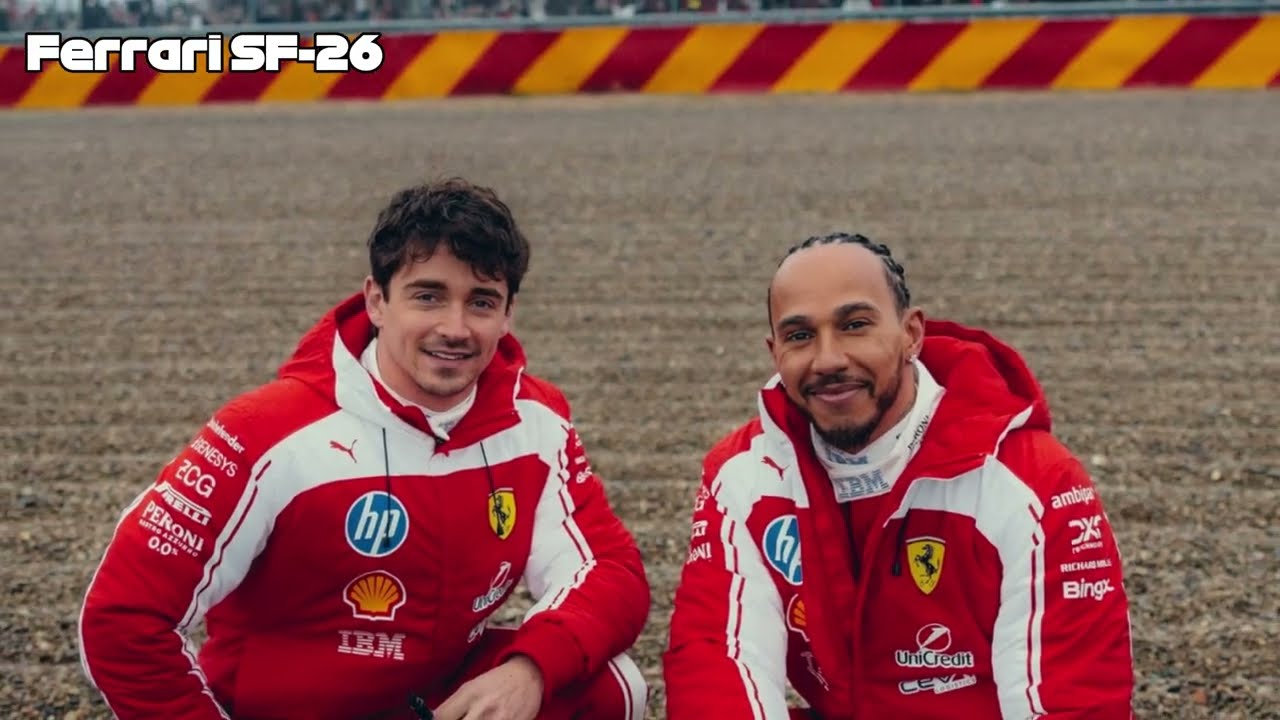
Lewis Hamilton, in his first outing with the Prancing Horse, unleashed a blisteringly fast lap of 1 minute 16.348 seconds. It wasn’t just the fastest lap; it was a statement of intent. The SF26 arrived in Barcelona with what experts are calling a “conservative” aerodynamic package, yet it managed to eclipse the field.
The secret to Ferrari’s speed seems to lie in their weight management. The team has utilized thin-wall casting technology to hit the elusive 768 kg weight limit perfectly, giving them a natural agility that others are struggling to find. Hamilton’s feedback was immediate and glowing: “This year started much better than last year.”
The terrifying part for Mercedes and Red Bull is that Ferrari hasn’t even shown their hand yet. The car in Barcelona was a base model. Massive aero updates are scheduled for the first race in Bahrain. If the SF26 is this fast in its “vanilla” form, just 0.1 seconds off the theoretical best while holding back performance, it is undoubtedly the most dangerous “sleeper hit” on the grid. For Hamilton fans, the dream of an eighth world title suddenly feels incredibly, tangibly real.
Red Bull & Ford: The Surprise Package
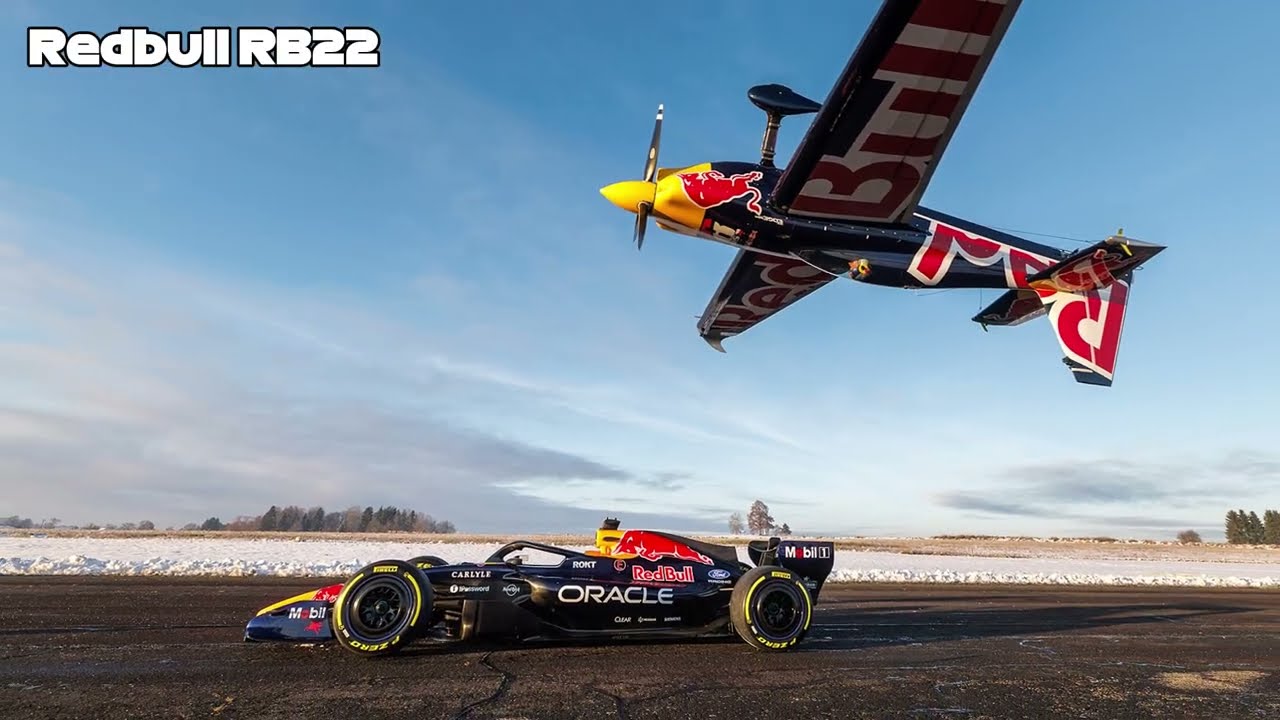
The biggest question mark heading into 2026 was Red Bull. By severing ties with Honda and building their own engine in partnership with Ford, they took a massive risk. Many predicted reliability woes and a lack of power. Those critics are now very quiet.
Red Bull Powertrains (RBPT) delivered the biggest surprise of the test. The engine didn’t just survive; it thrived. George Russell himself admitted that the quick adaptation of the new manufacturers was “incredible,” a thinly veiled nod to the threat Red Bull poses. Max Verstappen reported no major issues, citing drivability that was “far above expectations.”
While their headline lap time of 1:18.2 on day five looks slow on paper, a deeper dive into the data reveals the truth. Verstappen flew through 118 laps, focusing entirely on engine mapping and energy harvesting rather than glory runs. The team overcame a difficult middle session—where spare parts had to be flown in from Milton Keynes—to demonstrate a resilience that has spooked the paddock. Red Bull has transformed from the biggest unknown into a verified, lethal threat.
Aston Martin’s Radical Gamble and the Newcomer’s Struggle
Elsewhere on the grid, Adrian Newey’s influence is undeniably present at Aston Martin. The AMR26 is visually the most radical car in the field, featuring a “seagull nose,” “underbite sidepods,” and complex floor geometry that looks like it belongs in a sci-fi movie. While rumors persist that the car is currently overweight, the aerodynamic potential is alarming to rivals. Alonso’s testing of flexible aero parts and the complex flow structures suggests that once refined, this car could be a downforce monster. It is currently a rough gem, but in the hands of Newey, it could be polished into a diamond.
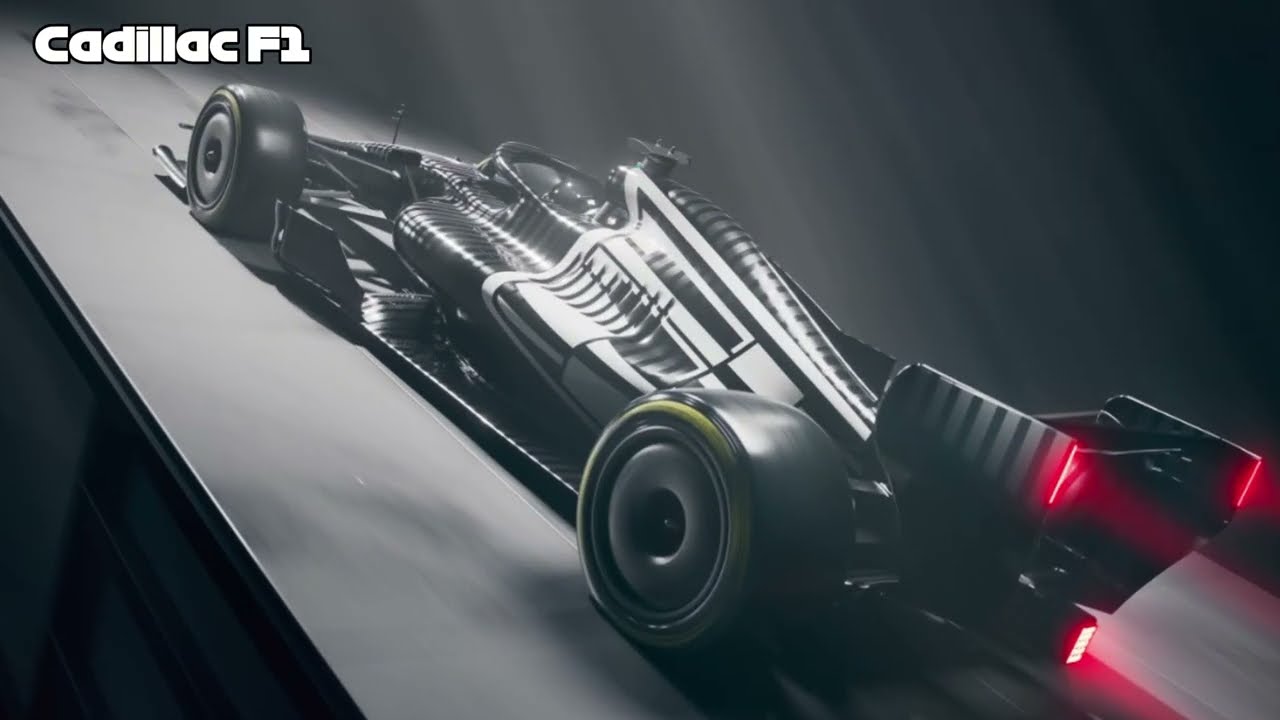
However, the news was not as rosy for the new entries. Audi and Cadillac faced a brutal reality check in Barcelona. Audi, led by Mattia Binotto, was plagued by chronic mechanical issues that caused red flags for three consecutive days. Binotto’s admission that his “to-do list is the longest I’ve ever seen” speaks volumes. Cadillac, meanwhile, was roughly 4.5 seconds off the pace, treating the test as a basic shakedown. While they are satisfied with their foundation (powered by a Mercedes customer engine), they learned the hard way that entering the “Champions League” of motorsport requires an engineering army, not just a budget.
Conclusion: The Stage is Set
Barcelona has left us with a clear picture: 2026 is not just a new season; it is a restart of history. We are witnessing an engineering war where thermal limits are pushed, algorithms dance with the wind, and drivers are once again the heroes taming mechanical beasts.
The top three spots are already claimed by the reliability of Mercedes, the raw speed of Ferrari, and the surprising solidity of Red Bull. But as the teams pack up for Bahrain, one thing is certain: the era of predictable racing is over. The cars are louder, harder to drive, and faster than we dared to imagine. Buckle up, because this revolution is just getting started.