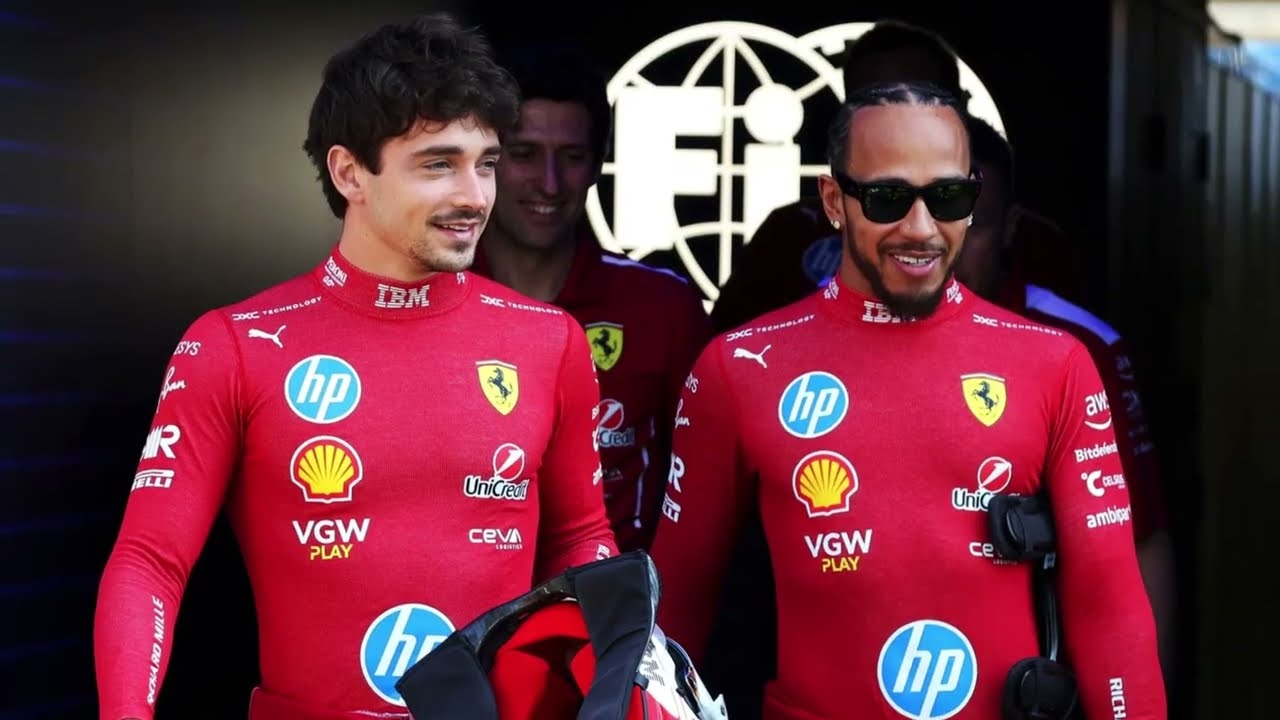
The pairing of Charles Leclerc and Lewis Hamilton at Scuderia Ferrari was supposed to be the stuff of legend, a partnership forged in competitive fire, designed to end Maranello’s decades-long championship drought.
It was meant to be the dawn of a new, glorious era in Formula 1—a blend of youthful genius and seasoned mastery, united under the Prancing Horse banner. Instead, just one disastrous season into their shared journey, the dream has curdled into a bitter, high-stakes nightmare, and the entire structure of the sport is beginning to tremble.
The truth is stark: two of Formula 1’s greatest drivers are effectively stranded, shackled to a machine that has been internally described as nothing short of a “mess.” Their immense talent is being wasted on a car, the SF25, riddled with fundamental design flaws and an operational team plagued by incompetence.
The signs of deep dysfunction are now impossible to ignore, culminating in reports that Leclerc’s management is quietly, yet urgently, shopping their client around for 2027, while Hamilton’s once-unshakable resolve is visibly cracking under the relentless pressure of failure. After years of empty promises and failed deliveries, the patience of two generational talents is finally running out, threatening a double defection that would represent one of the most humiliating collapses in Ferrari’s storied history.
The Technical Abyss of the SF25
The problem at Maranello is not one of potential—it is one of execution, stemming from a technical root rot that has defied all attempts at remediation. The SF25, the car that was meant to deliver Lewis Hamilton his record eighth World Championship and Charles Leclerc his long-awaited maiden title, has proven to be an unpredictable and fundamentally flawed creation. Reports detailing the car’s maladies read like a catalogue of engineering sins: chronic brake overheating, poor tire management that shreds performance across a race stint, and an almost complete lack of consistent downforce and handling. The most frustrating element for the drivers is the car’s Jekyll-and-Hyde personality, often showing flashes of brilliance in isolated practice sessions, only to mysteriously and consistently fail to convert that pace into tangible results during the crucial moments of qualifying and the race.
The disastrous Singapore Grand Prix provided a painful, televised confirmation of this crisis. Despite the team’s best efforts, Hamilton could only drag the car to an eighth-place finish, burdened by a five-second penalty for a track limits violation—a sign of a driver over-driving a machine that simply cannot deliver. His radio message following the event was a chilling moment of candor. The pain in his voice, the weary acknowledgment that the car “simply isn’t competitive enough,” spoke volumes. For a driver who spent a decade dominating the sport, being reduced to skirmishing for minor points positions is an incredibly difficult reality to accept, and it speaks directly to the profound failures embedded deep within the SF25’s philosophy. The technical team, under constant scrutiny, has thus far failed to fix these ingrained flaws, rendering multiple expensive upgrade packages largely moot.
Charles Leclerc’s Seven Years of Wasted Loyalty
For Charles Leclerc, the crisis is far more than a single disappointing season—it is the culmination of seven years of heartbreaking loyalty. The Monégasque driver joined the Scuderia in 2019 with a fan’s dream of following in the tire tracks of legends like Michael Schumacher, hoping to become the champion who restored Ferrari to its former glory. Instead, he has been forced to watch, season after season, as rivals like Max Verstappen have effortlessly amassed multiple titles with consistently superior machinery. Leclerc’s patience, once a boundless commodity, is now functionally exhausted. He has lived through endless promises that “next year will be our year,” only to find himself perpetually fighting for a podium place while the championship battle rages far ahead of him.
This simmering frustration has now boiled over into concrete action. Italian media reports have brought to light the intense, behind-the-scenes maneuvers of Leclerc’s manager, Nicola Todt, who is actively engaging in discussions with rival constructors about a potential departure as early as the 2027 season. These are not speculative rumors; they are confirmed, high-level meetings that reveal the true extent of the trust breakdown at Maranello. Todt has reportedly met with key figures from three powerhouse teams: Aston Martin, McLaren, and Mercedes.
Photos emerged during the summer showing Todt in conversation with members of Lawrence Stroll’s ambitious Aston Martin team—a clear red flag for Tifosi everywhere. The talks continued at Monza, where Todt was spotted discussing contract situations and short-term deal possibilities with McLaren’s Team Principal Andrea Stella and CEO Alessandro Alunni Bravi. Most tellingly, Leclerc himself was reported to have met with Mercedes boss Toto Wolff in Capri—the same high-profile location Max Verstappen also visited during his summer break. While Leclerc’s official contract runs until 2029, the unspoken law of Formula 1 is that paper is meaningless when the driver-team relationship collapses. Leclerc is keeping his options wide open, signalling that his future is contingent on Ferrari proving they deserve his continued loyalty—a proof they are currently failing to provide.
The Hamilton Gamble: A Costly Race Against Time
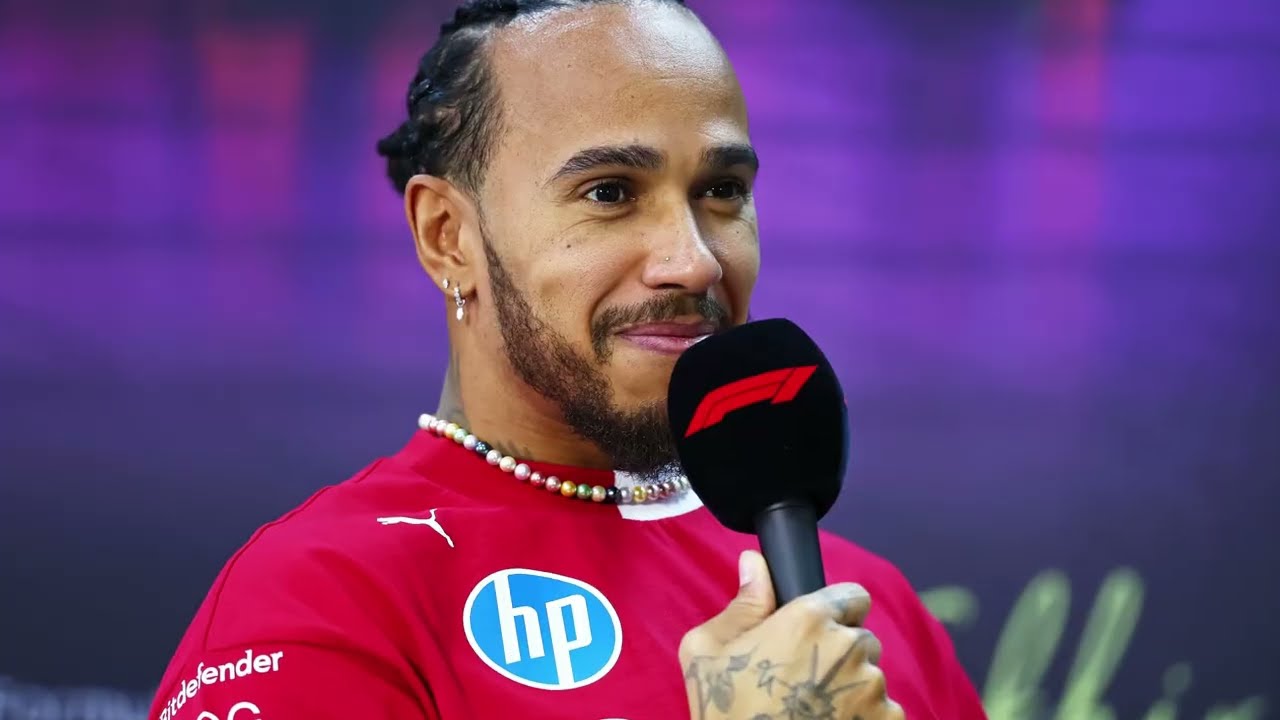
For Lewis Hamilton, the pain is even more acute, steeped in the tragic irony of a career-defining decision gone wrong. His bold move from Mercedes to Ferrari was predicated on one final, all-in gamble for an eighth World Championship. Yet, his first season in red has been nothing short of a catastrophe, characterized by a visible struggle to adapt to the SF25’s idiosyncratic philosophy—a “mess” that he has publicly stated he has never experienced before in his career.
At 40 years old, Hamilton simply does not possess the luxury of time that Leclerc enjoys. Every wasted year fighting in the midfield is a championship opportunity he can never reclaim. His performances, though still demonstrating flashes of brilliance, are being unfairly judged beneath a car that is fundamentally flawed. The seven-time champion who once effortlessly commanded the field now appears bewildered and frustrated, a stark contrast to the dominant figure of his Mercedes tenure.
The consequences of this misjudgment are severe. Hamilton did not leave the comfort and security of Mercedes to finish eighth in Singapore. His entire legacy is defined by winning, and if Ferrari cannot provide him with a championship-capable machine, his commitment to enduring further seasons of midfield mediocrity must be in serious doubt. Retirement, or a highly dramatic final move to another competitor, suddenly appears less like speculation and more like a pragmatic necessity for a man driven by the pursuit of perfection.
Systemic Failure: Beyond the Car
The crisis at Ferrari extends far beyond the technical specifications of the SF25. It is a systemic failure of execution, strategy, and basic operational efficiency. The team has become infamous for snatching defeat from the jaws of victory, often undermining their drivers with avoidable mistakes. Race execution has been poor all season, from egregious tire strategy blunders that cost podiums to baffling communication breakdowns between the pit wall and the cockpit.
The attempts to manage the high-profile pairing of Hamilton and Leclerc through position swaps have been particularly clumsy, leading to public and private expressions of frustration. In China, Hamilton’s sudden change of mind about letting Leclerc past created unnecessary confusion and tense radio traffic. In Miami, the frustration reached a satirical peak when Hamilton sarcastically suggested his engineers take a “tea break” while they figured out a coherent strategy.
This operational mess is especially demoralizing for Leclerc, who has endured multiple seasons of watching crucial points slip away due to these exact failures. The Baku Grand Prix serves as a perfect, heartbreaking microcosm of Ferrari’s current identity. The team had finished Friday practice first and second, holding a massive half-second advantage over the entire field. The momentum seemed unstoppable. Yet, by qualifying, the opportunity had evaporated: Hamilton was eliminated in Q2, and Leclerc managed only tenth on the grid. Team Principal Fred Vasseur’s post-race explanation captured the self-inflicted wound perfectly: “We had the car and the drivers able to fight for P1 all the free practice and we finished P10 and P12. It’s not a matter of potential.” It is, instead, a crushing indictment of systemic failure.
The 2026 Regulation Cliff Edge and the Inevitable Fork in the Road
The horizon offers little comfort. The upcoming 2026 regulation changes represent the last great opportunity to reset the competitive order, but for both Leclerc and Hamilton, betting their remaining elite years on Ferrari getting the new rules right is an enormous gamble. Ferrari’s track record with major rule changes is mixed at best, and the current display of technical disarray does little to inspire confidence that they can master a completely new regulatory framework.
This massive uncertainty is precisely why Leclerc’s management is hedging their bets. They are playing a waiting game, giving Ferrari one more year to prove they can deliver a winning car before pulling the trigger on a guaranteed exit. The three options being actively explored by Todt are highly realistic: Aston Martin, where Fernando Alonso’s eventual retirement will create a power vacuum; McLaren, who are consistently proving to be a stable, rising force; or Mercedes, where Toto Wolff has historically made no secret of his admiration for Leclerc’s talent. Each of these teams offers something Ferrari currently cannot: a tangible, realistic path back to the top of the championship fight.
For Lewis Hamilton, the road ahead is narrower but no less dramatic. At 40, his choices are stark: retire, rather than tarnish his final years with uncompetitive drives, or seek one final, competitive seat at a rival team. He is a driver who joined Ferrari to secure a championship, not to endure a prolonged, painful farewell.
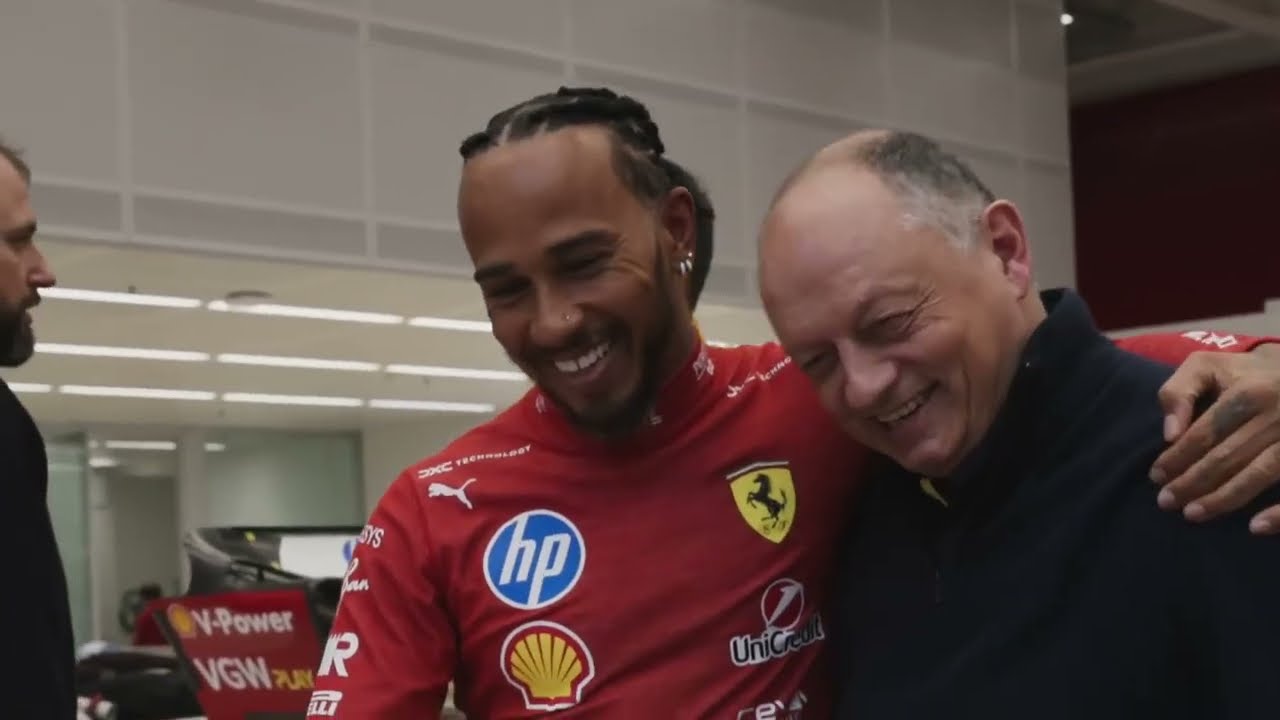
The fate of Ferrari now hangs in a precarious balance. Team Principal Fred Vasseur continues to deflect blame, citing everything from capricious weather conditions to the vagaries of tire compounds for the team’s failures. But Leclerc and Hamilton are too seasoned, too intelligent, and too desperate for victory to be placated by empty promises. The lack of fundamental technical progress over multiple seasons is becoming impossible to ignore. The 2025 season was supposed to be a chapter of triumph; instead, it has become yet another chapter in the long, heartbreaking saga of wasted potential at Maranello. Unless Ferrari can deliver a technical miracle for the 2026 season, they face the almost certain prospect of losing both of their star drivers to competitors who can actually provide the one thing Leclerc and Hamilton joined Ferrari to achieve: a genuine chance to fight for World Championships. The dream is dead, and the mass exodus is already being planned.
