Duchess Sophie of Edinburgh, formerly known as Sophie, Countess of Wessex, has been a key member of the British royal family for over two decades. Known for her discretion, compassion, and dedication to public service, Sophie has taken on significant responsibilities that reflect her commitment to both the monarchy and charitable causes across the United Kingdom and the Commonwealth.
This article explores Sophie’s background, her evolving role within the royal family, her major areas of charitable work, and the impact she continues to have as the Duchess of Edinburgh.
Early Life and Background
Sophie Helen Rhys-Jones was born on 20 January 1965 in Oxford, England. She grew up in Kent and pursued a career in public relations before marrying into the royal family. Sophie co-founded a PR agency before focusing her attention on full-time royal duties.
Her professional background gave her strong communication skills and an ability to engage with the public—traits that would later help her in her charitable work and official royal engagements.
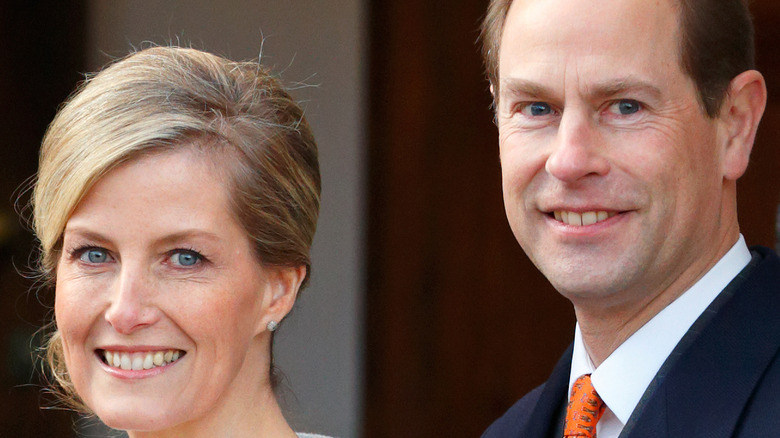
Sophie married Prince Edward, the youngest son of Queen Elizabeth II and Prince Philip, on 19 June 1999 at St George’s Chapel, Windsor Castle. Following their marriage, she became the Countess of Wessex.
In March 2023, when King Charles III granted Prince Edward the title Duke of Edinburgh, Sophie became the Duchess of Edinburgh. This title is particularly significant, as it was previously held by Queen Elizabeth II before she ascended the throne in 1952.
Family Life
The Duke and Duchess of Edinburgh have two children:
- Lady Louise Windsor (born 2003)
- James, Earl of Wessex (born 2007)
Although their children do not use royal titles, they have occasionally taken part in public events with their parents, such as the Platinum Jubilee celebrations for Queen Elizabeth II. Sophie has often emphasized the importance of providing her children with a normal upbringing while balancing their roles within the royal family.
Charitable Work and Patronages
Sophie has established herself as one of the most active working royals. According to the Royal Family’s official website, she supports over 70 charities and organizations across a wide range of causes.
1. Health and Medical Support
Sophie is a patron of numerous health-related charities, including those focused on:
- Preventing avoidable blindness through organizations such as Vision 2020: The Right to Sight.
- Support for people with disabilities, with patronage roles in organizations like the Disability Initiative.
Public Perception and Reputation
Unlike some other high-profile royals, Sophie has maintained a reputation for being down-to-earth and approachable. British media often highlight her quiet strength, work ethic, and ability to remain out of unnecessary controversy.
Polls and surveys conducted by UK outlets such as YouGov consistently place Sophie among the more popular members of the royal family, appreciated for her modesty and commitment to causes that have a tangible impact.
Her Role in the Modern Monarchy
As King Charles III continues to shape the monarchy with a focus on a “slimmed-down” institution, Sophie remains one of the most vital senior royals. She consistently takes on official duties, supporting both national and international engagements.
Her position as Duchess of Edinburgh carries significant historical weight. The late Prince Philip held the title for over 70 years, and Sophie now helps preserve that legacy by focusing on duty, service, and charitable work.

Looking Ahead
Duchess Sophie’s role is expected to remain central within the royal family in the years ahead. With Prince William and Catherine, Princess of Wales, preparing for future leadership, Sophie and Prince Edward provide vital support to King Charles III and Queen Camilla.
Her ongoing dedication to charitable causes, her ability to connect with communities, and her steady approach to royal life ensure that she will remain an important figure in the monarchy’s modern chapter.
As Duchess of Edinburgh, she continues to honor the legacy of Queen Elizabeth II and Prince Philip while shaping her own meaningful path within the institution.
