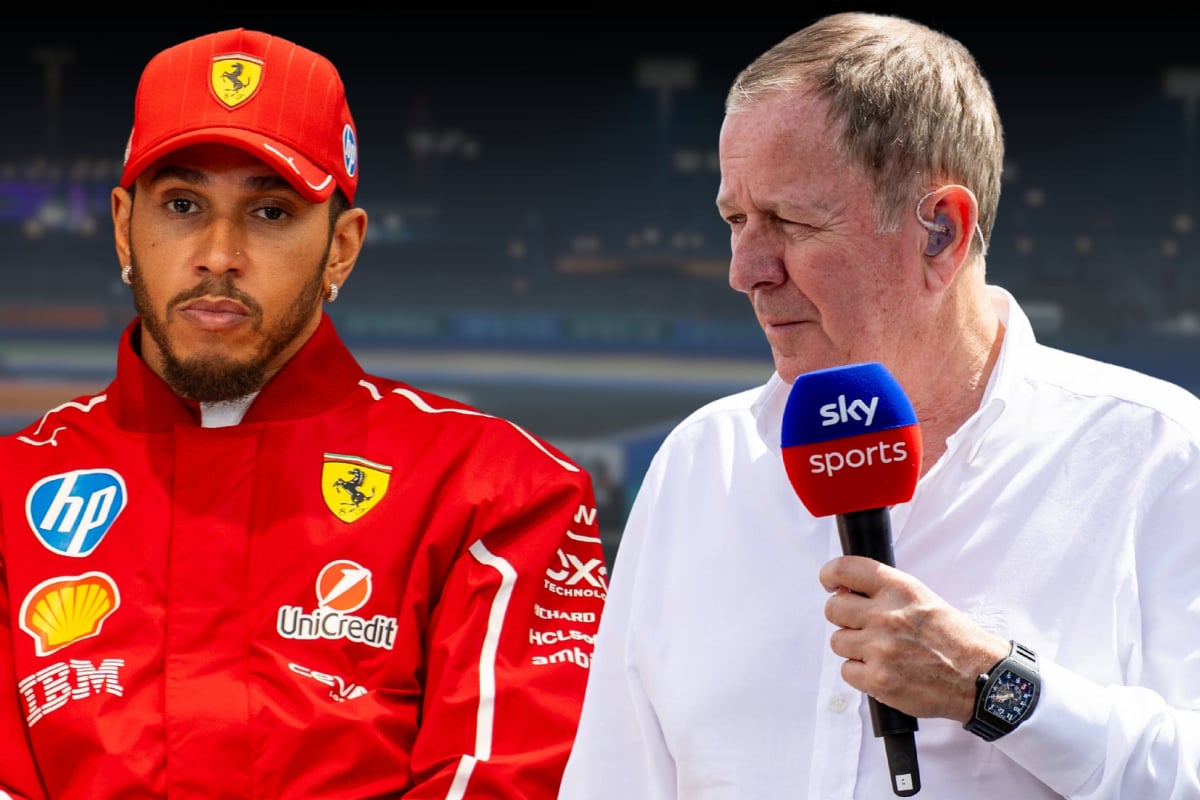
In the high-octane world of Formula 1, silence is often more deafening than the roar of a V6 engine. When a figure as respected as Martin Brundle speaks, the paddock listens. But this time, Brundle didn’t offer a typical race analysis or a critique of a driver’s overtaking maneuver.
Instead, he delivered a warning so calm, yet so profound, that it has sent shivers down the spine of the motorsport community. His message wasn’t screamed from the rooftops; it was delivered with a chilling casualness that underscored its gravity. The topic? The looming 2026 regulations.
According to Brundle, the sport is barreling toward a paradox that could define the next decade of racing. The very rules designed to revolutionize the sport and potentially hand Lewis Hamilton his record-breaking eighth world title might also be the very thing that destroys the soul of Formula 1. It is a scenario where the hero wins, but the world he conquers is rendered unrecognizable.

The Technological Gamble: A Complete Reset
To understand the fear, one must first understand the scale of the change coming in 2026. This is not merely an aerodynamic tweak or a slight adjustment to tire compounds. It is a fundamental rewriting of what a Formula 1 car is. The sport is stripping away the complex MGU-H (Motor Generator Unit-Heat) and moving toward a powertrain that is a radical 50/50 split between internal combustion and electric power.
On paper, this sounds like progress. It aligns with global sustainability goals and pushes the boundaries of hybrid technology. However, the reality on the track could be jarring. The internal combustion engine—the beating heart of motorsport—is being reduced, while electric power is being tripled. The energy recovery systems will now need to recharge twice as much energy per lap. This means the driver’s role is shifting dramatically from pure racer to energy manager.
Brundle points out that this specific shift creates a “perfect storm” for Lewis Hamilton. For the past few years, Hamilton has been trapped in the “ground effect” era—a period defined by heavy, unstable cars that porpoised violently and refused to comply with his driving style. The frustrations of 2025, where even his move to Ferrari seemed to deliver only humiliation and zero podiums, left many wondering if the legend was fading. But the 2026 rules seem almost tailor-made for his specific genius.
The Engineer in a Helmet
Lewis Hamilton has always been more than just a pair of fast hands. He is celebrated for his technical feedback, his ability to manage tires, and his adaptable driving style. Brundle describes him as “an engineer in a helmet.” In an era where victory will depend on precision, smooth control, and the intelligent management of complex energy systems, Hamilton’s skillset becomes the ultimate weapon.
While the younger generation of drivers has grown up in the “point-and-shoot” era of high downforce, Hamilton’s experience spans multiple regulatory epochs. He knows how to nurse a car, how to extract lap time without burning fuel or battery, and how to communicate with engineers to refine a system. If the 2026 cars require a cerebral approach over raw aggression, Hamilton is poised to dominate.
However, this potential resurrection comes with a caveat that worries purists. If the sport becomes entirely about who can best manage a battery pack, do we lose the visceral thrill of wheel-to-wheel combat?
The Death of “Real” Racing?
The most controversial aspect of the new regulations is not the engine, but the introduction of “active aerodynamics” and the “overtaking mode.” In an attempt to keep the racing close, the FIA has introduced systems where cars will constantly adjust their aerodynamic surfaces based on conditions. Furthermore, drivers within one second of a rival will be able to unlock extra electrical power via a “boost button.”
Brundle’s warning here is brutal in its honesty: Is this racing, or is it regulated theater?
For decades, overtaking was an art form. It required bravery, late braking, and the willingness to risk it all on the outside of a corner. If overtaking becomes a simple matter of reaching a “trigger point” and pressing a button to unleash a distinct horsepower advantage, the heroism of the maneuver evaporates. The sport risks becoming artificial, a high-speed video game where the outcome is dictated by software rather than skill.
Fans feel this disconnect. There is a palpable fear that as engines become quieter and the racing becomes more manufactured, the “raw identity” of Formula 1 will be lost. If the spectacle is curated rather than contested, it won’t matter if Lewis Hamilton wins ten championships; the victory will ring hollow if the sport itself has lost its integrity.
The Ferrari Conspiracy: Silence is Scary
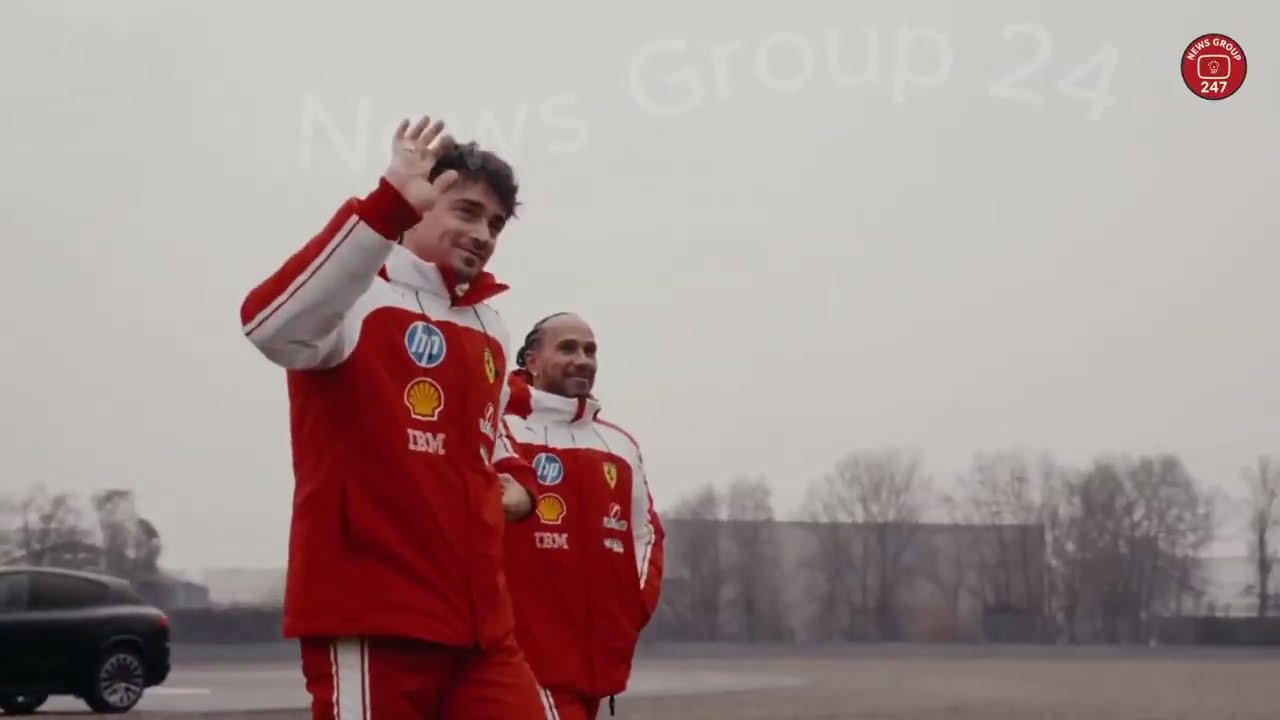
Adding fuel to this fire is the current state of Scuderia Ferrari. The team, historically known for its chaotic internal culture and strategic blunders, has gone alarmingly quiet. The new SF26 challenger has been shrouded in secrecy, with no grand statements or hype videos. Reports indicate the FIA cleared the car’s legality unusually early, a sign that Ferrari is not scrambling but rather refining.
During the recent Barcelona tests, Ferrari topped the timing sheets. While testing times are notoriously unreliable—obscured by unknown fuel loads and engine modes—the body language in the garage tells a different story. The team is calm. The car is reliable.
In an interview following the Barcelona shakedown, Ferrari Team Principal Fred Vasseur couldn’t hide his quiet confidence. He described the session as “very good,” noting they logged something like 180 laps. “The target was to be able to accumulate mileage, and we did it,” Vasseur stated. He emphasized that reliability is crucial in this new era because the learning curve is so steep. Every lap allows the team to scan parameters regarding engine energy deployment, a critical factor for 2026.
When asked if the drivers were getting comfortable, Vasseur admitted that the new systems are “very demanding” and require almost a “full reset” for the drivers. Yet, the lack of panic at Ferrari is what terrifies their rivals. A Ferrari team without chaos is not normal; it is dangerous. And a prepared Ferrari with a motivated Lewis Hamilton is a prospect that could dominate the grid.
Progress or PR?
Underpinning all of these technical changes is F1’s drive for sustainability. The sport is aiming for carbon neutrality by 2030, with engines running on 100% sustainable fuels developed from municipal waste and non-food biomass. On paper, this is a heroic narrative. It allows F1 to remain relevant in a climate-conscious world.
But Brundle questions if this is genuine progress or merely a PR shield. By chasing sustainability so aggressively, is the sport alienating its core audience who tune in for the noise, the danger, and the mechanical brutality? There is a fine line between evolving and losing one’s identity. The fear is that in trying to please everyone—manufacturers, environmentalists, and new fans—F1 might end up pleasing no one.
The Ultimate Question
Martin Brundle is not a doomsayer for the sake of drama. His warning stems from a deep love for the sport. He is asking the question that will define the next generation of motorsport: Will the 2026 rules create the greatest comeback story in history for Lewis Hamilton, or will they turn Formula 1 into something unrecognizable?
The evidence from Barcelona suggests the warning signs are already there. The cars are quieter, the teams are more secretive, and the focus has shifted from aerodynamic grip to electrical efficiency. The 2026 season could very well be the year Lewis Hamilton takes his place on the throne once more. But as the engines whine rather than scream, and as drivers press buttons to pass rather than dive down the inside, we may find ourselves mourning the sport we once knew.
The warning has been issued. The “disaster” is not a crash or a financial collapse, but a slow erosion of what makes racing special. As we await the lights to go out in this new era, one thing is certain: Formula 1 will never be the same again.
