Ferrari emerged from the Barcelona shakedown encouraged by the early performance of their new SF-26, with Lewis Hamilton topping the timesheets, yet the Italian team is already preparing further developments ahead of the 2026 Formula 1 season. Despite the generally positive tone surrounding the test, Ferrari are wasting no time in pushing forward with upgrades as they seek to gain an edge under the new regulations.
The entire Formula 1 grid came together for the first time in 2026 at the Circuit de Barcelona-Catalunya, where all 11 teams took part in a five-day private test designed to assess and refine their newly built cars. The primary goal of the shakedown was not outright performance but ensuring that the radically redesigned machines could run reliably. Nevertheless, Hamilton ended the final day on a high note, setting the fastest lap of the test with a 1:16.348 during a late run on soft Pirelli tyres.
While such lap times are rarely representative during pre-season testing, Hamilton’s pace offered a confidence boost for Ferrari. Teams used the Barcelona running mainly to validate systems, check component durability, and gather data, rather than chase headline times. Due to concerns that the sweeping 2026 technical regulations could lead to early reliability issues, Formula 1 opted to conduct the shakedown behind closed doors, limiting public scrutiny as teams worked through potential problems.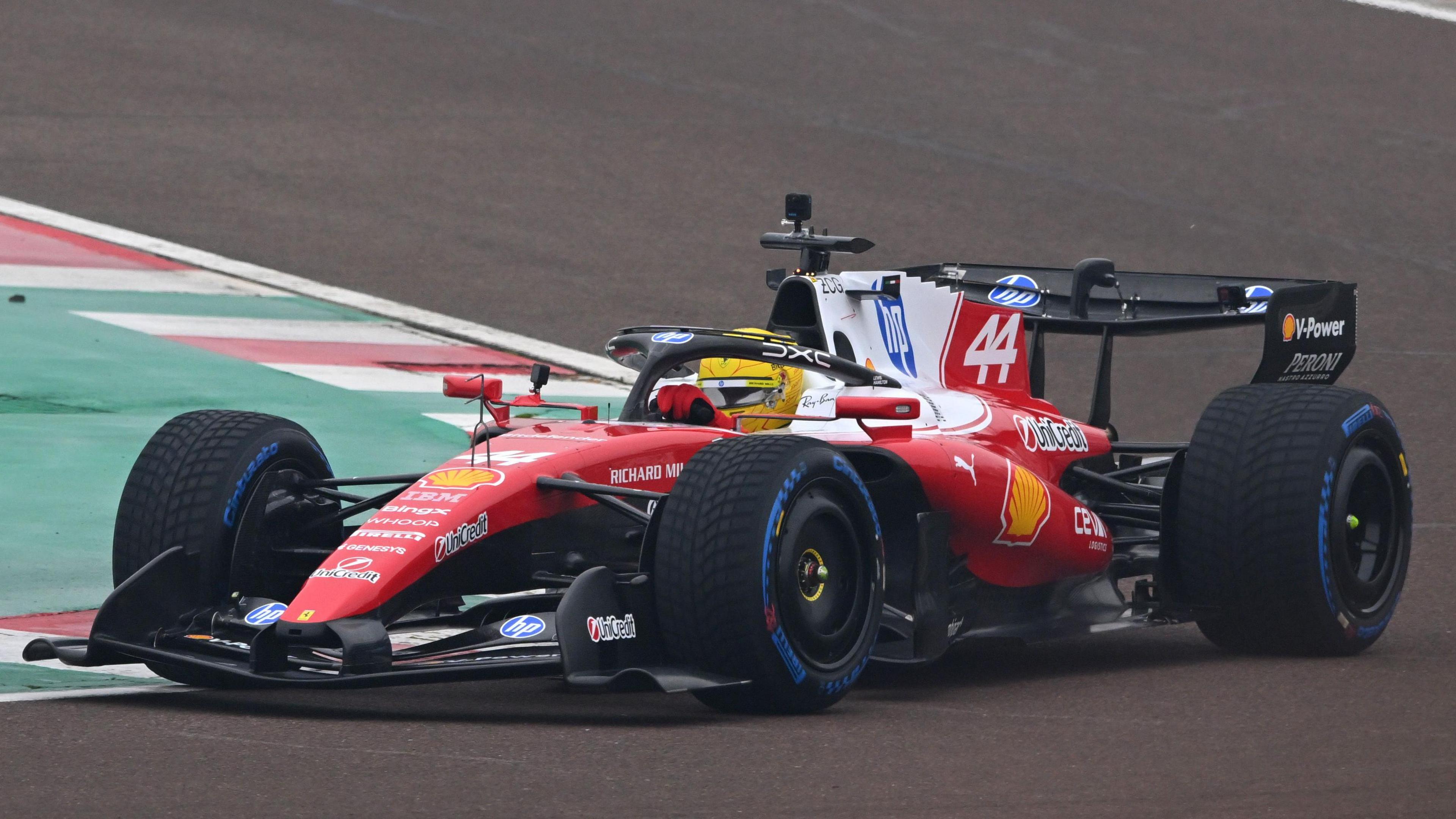

In the end, fears of widespread reliability failures did not materialize. Ferrari, in particular, came away believing that the test confirmed the robustness of their new power unit, which has been built to comply with the 2026 rules. These regulations significantly increase the role of electrical power, creating an almost equal split between the internal combustion engine and electric energy. The MGU-H has been removed entirely, and all teams are now required to use fully sustainable fuels, further reshaping engine design and energy management strategies.
Despite the positive signs, Ferrari are aware that there is still plenty of work to do. The shakedown marked only the first phase of the SF-26’s development programme, and data gathered from Charles Leclerc’s and Hamilton’s runs revealed some concerns, particularly around energy deployment and recovery. Managing electrical energy efficiently is expected to be one of the biggest challenges under the new regulations, and Ferrari engineers are carefully analyzing their findings from Barcelona.
According to reports from Formula.it, Ferrari are planning an early aerodynamic update aimed at catching their rivals off guard. The team is said to be preparing a revised sidepod design that could be introduced before the opening round of the 2026 season in Australia, scheduled for March 6–8. The updated sidepods are expected to feature a slimmer, more aggressive taper, reflecting Ferrari’s desire to combine reduced weight with aerodynamic gains.
During the Barcelona test, Ferrari ran the SF-26 with radiators housed within relatively large sidepods, allowing the use of a compact triangular airbox above the engine. However, the Scuderia now believe there is scope to shrink the sidepods further. This confidence stems from a distinctive element of Ferrari’s power unit design: the use of steel cylinder heads.
Engineers in Maranello view these steel cylinder heads as a potential “wildcard” advantage. Compared to traditional materials, steel is believed to tolerate higher operating temperatures while offering improved heat dissipation. As a result, Ferrari believe they can reduce the size of the radiators without compromising reliability. Smaller radiators would not only lower the car’s overall weight but also allow for tighter bodywork, delivering aerodynamic benefits that could be crucial under the 2026 ruleset.
Ferrari’s long-term ambition, of course, extends beyond early testing success. The team has not claimed a drivers’ championship since Kimi Räikkönen’s triumph in 2007, nor a constructors’ title since 2008. While it is far too early to predict whether the SF-26 can end that drought, the combination of a solid initial test, a competitive driver line-up, and an aggressive development plan suggests Ferrari are determined to position themselves as genuine contenders in the new era of Formula 1.
As the season approaches, all eyes will be on whether Ferrari’s planned upgrades can translate early promise into consistent performance when the racing begins.