The world of Formula 1 has always been a theatre of speed, but as we head into the Chinese Grand Prix in Shanghai, the atmosphere has shifted from mere excitement to palpable tension. Something strange is happening in the paddock, and for the first time in the new 2026 era, all eyes are turning a very specific shade of Ferrari red. The whispers are no longer coming from hopeful fans or optimistic Italian media; they are coming from the very men who have to race against the Prancing Horse.
During the buildup to the Shanghai weekend, McLaren’s Lando Norris sent shockwaves through the sport when he offered a candid assessment of the pecking order. After analyzing onboard footage and telemetry data, Norris didn’t hold back.
His verdict was chilling for the rest of the grid: Ferrari has the best car, and their cornering speeds are quite simply unbelievable. When a rival driver—especially one of Norris’s caliber—publicly admits that another team has the superior machine, it is time to stop speculating and start paying very close attention.
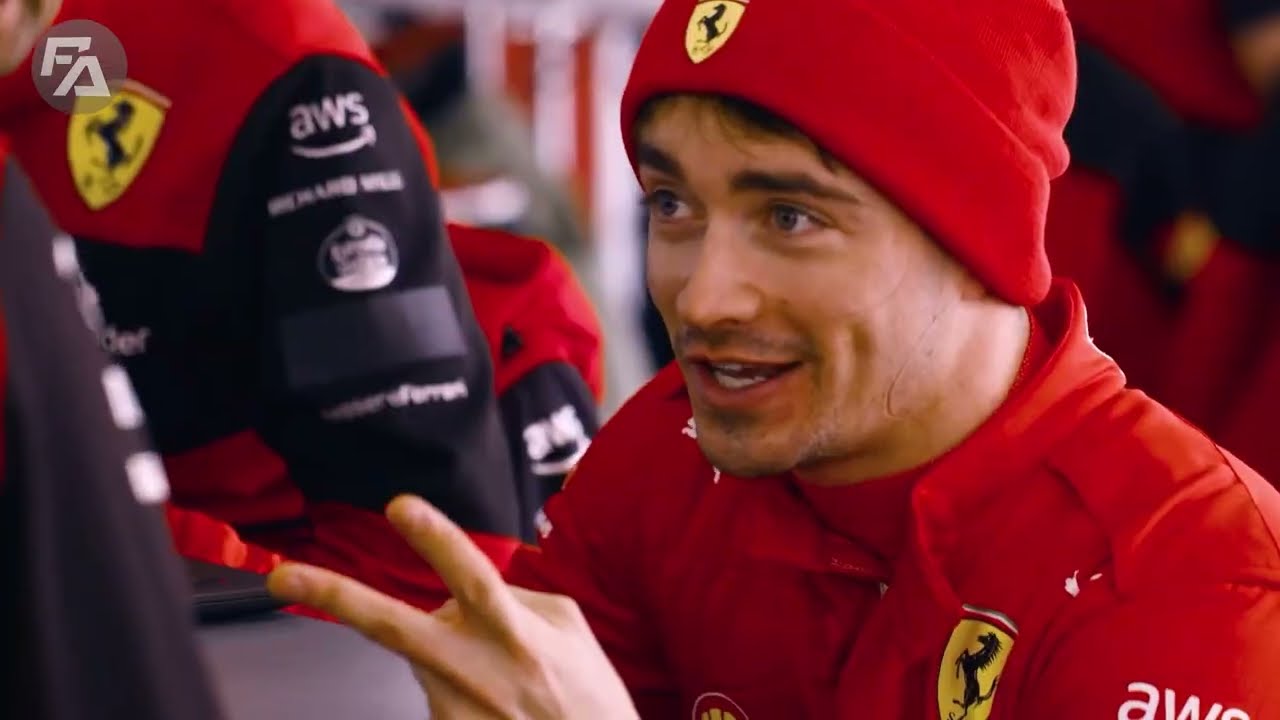
The Chinese Grand Prix represents a pivotal moment for Ferrari. After a season opener in Melbourne that saw flashes of brilliance but ended with Mercedes standing atop the podium, the Scuderia is not arriving in Shanghai to play second fiddle. Insiders have confirmed that a massive upgrade package is being bolted onto the SF-26, designed specifically to exploit the unique characteristics of the Shanghai International Circuit.
To understand why this race is so critical, one must look at the technical battlefield of 2026. The regulations have fundamentally changed how power is produced and managed. We are no longer just talking about internal combustion; we are talking about a sophisticated dance between sustainable fuels and energy recovery. Ferrari’s technical chief, Enrico Gualtieri, has highlighted that fuel has become a strategic weapon. While Mercedes relies on synthetic fuel from Petronas, Ferrari has doubled down on biomass fuel developed with Shell. Each has different energy outputs, and the engines must be tuned with surgical precision to extract every ounce of performance.
The “Melbourne Mystery” still hangs over the paddock. In the opening round, George Russell and Charles Leclerc engaged in a thrilling wheel-to-wheel battle that suggested a season-long rivalry was born. However, as the race progressed, the Mercedes seemed to find a level of efficiency that Ferrari couldn’t match. Russell pulled away with a pace that left many wondering if Mercedes was truly dominant or if Ferrari was playing a longer game.
The technical gap in qualifying was a staggering 0.8 seconds, a lifetime in modern Formula 1. But the race told a more nuanced story. Mercedes showed incredible tire life, stretching their hard compounds to the very limit while maintaining blistering lap times. This points to a massive advantage in engine compression—reportedly an 18:1 ratio for the Mercedes power unit compared to the 16:1 found elsewhere. This efficiency leads to lower fuel consumption, less weight, and crucially, less tire wear.
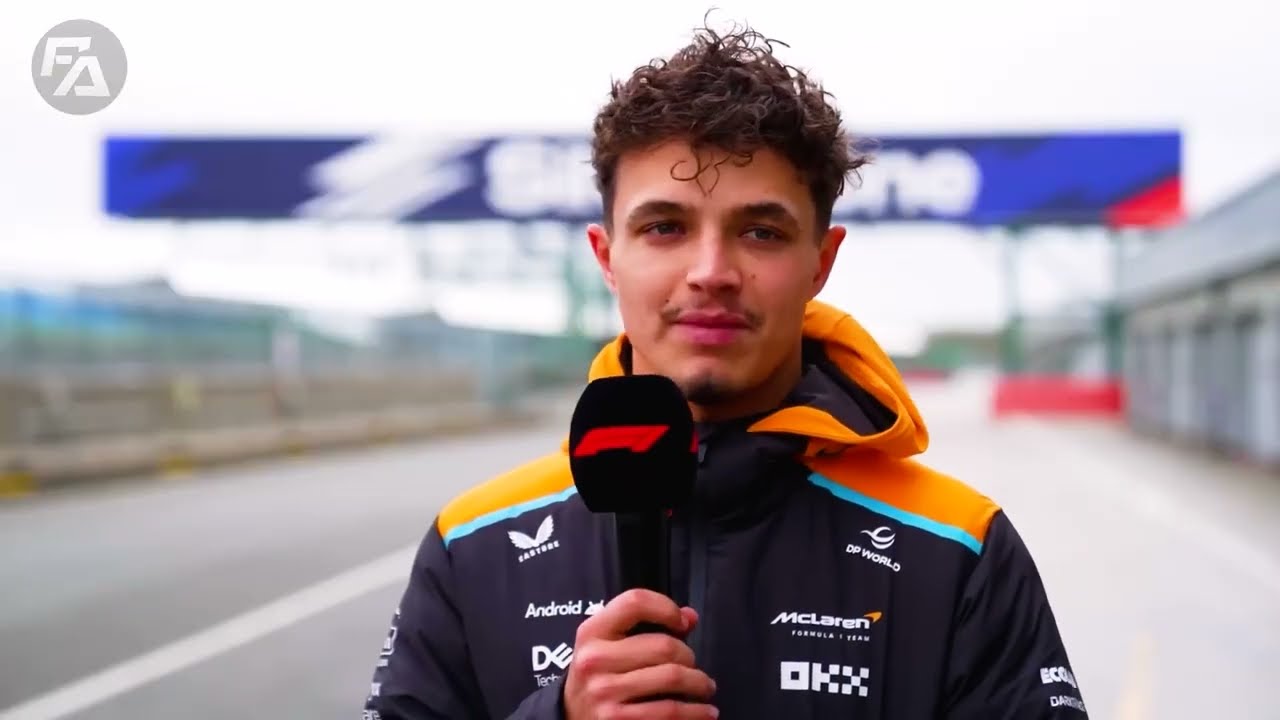
However, Ferrari’s secret weapon isn’t just in the engine; it’s in the corners. As Lando Norris pointed out, the SF-26 rotates with a level of agility that rivals find “unbelievable.” Cornering speed is the hardest thing to engineer into a car because it requires a perfect marriage of aerodynamic balance, mechanical grip, and chassis efficiency. You cannot fake it on the stopwatch. If Ferrari truly has the fastest car in the corners, then the long, sweeping turns of Shanghai could be the place where they finally break the Mercedes’ stranglehold.
Adding another layer of intrigue is the controversial “ADU” (Additional Development and Improvement) rule. This regulation was designed to help struggling engine manufacturers catch up by allowing them earlier upgrade windows if they fall more than 2% behind the leader. This has led to a fascinating “conspiracy theory” within the paddock: Is Mercedes intentionally holding back? The theory suggests that Mercedes is winning by the smallest possible margin to stay ahead in the standings while preventing their rivals from triggering the ADU upgrades. It is a game of high-stakes chess, where winning by too much could actually hurt your long-term championship prospects.
Ferrari, however, seems ready to flip the chessboard entirely. By bringing a significant upgrade package to China, they are attempting to close that 2% gap on their own terms. These upgrades are rumored to focus on aerodynamic efficiency and energy management—the two areas where Mercedes held the upper hand in Australia. If Ferrari can maintain their “unbelievable” cornering speeds while closing the gap on the straights and improving energy deployment, the competitive order of the 2026 season could be inverted overnight.
The pressure now rests firmly on the shoulders of Charles Leclerc. In Melbourne, Leclerc showed that the aggression and the raw speed are there, but he lacked the tools to finish the job. He needs a car that doesn’t just look fast on a single lap but can sustain that pressure over a full race distance. The Shanghai circuit, with its massive straights and heavy braking zones, provides the perfect laboratory for Ferrari to prove they have solved their efficiency woes. Unlike the street-circuit feel of Melbourne, Shanghai allows the hybrid systems to recharge more effectively, which could negate some of the advantages Mercedes displayed in the season opener.

As the engineers in Maranello tighten the final bolts on the SF-26, the narrative of the 2026 season hangs in the balance. Is Mercedes entering a period of “quiet domination,” or is the “Red Storm” about to break? Lando Norris’s warning was the first crack in the facade of Mercedes’ invincibility. If his assessment is correct, the Chinese Grand Prix will be remembered as the moment the hunter became the hunted.
Formula 1 fans have been waiting for a true title fight, and all signs point to Shanghai being the battlefield. The upgrades are ready, the drivers are primed, and the data suggests a shift in power is imminent. When the lights go out in China, we won’t just see a race; we will see the reveal of the true hierarchy of this new era. Ferrari isn’t just looking for a podium; they are looking to send a message to the entire world: the Prancing Horse is back, and it is faster than anyone dared to imagine.