The 2026 Formula 1 season has barely cleared its first hurdle, yet the sport is already embroiled in a technical and psychological war that threatens to redefine the hierarchy of the grid. After a dominant 1-2 finish for Mercedes at the Australian Grand Prix, the narrative seemed set: the Silver Arrows had once again cracked the code of a new regulation era, leaving the rest of the field—most notably Ferrari—scrambling for answers.
However, as the circus arrives at the Shanghai International Circuit for the Chinese Grand Prix, a closer look at the data suggests that the dominant result in Melbourne might have been a mirage, and Ferrari is about to unleash a counter-attack that has left rival engineers in a state of genuine alarm.
In Melbourne, George Russell and the sensational rookie Kimi Antonelli looked untouchable. Qualifying gaps of eight-tenths of a second over Ferrari painted a picture of a one-sided championship. But the stopwatch in the race told a far more nuanced story. Charles Leclerc, after a blistering start that saw him jump from fourth to first, exchanged the lead with Russell seven times in just the first nine laps.
Over the course of the 58-lap race, Ferrari’s average pace was a mere 0.13 seconds slower than the lead Mercedes. For Lewis Hamilton, making his debut in the scarlet red of Maranello, the feeling was one of “what if.” Hamilton finished the race believing that with just two more laps, he would have secured a podium spot, proving that the SF26 chassis is a formidable weapon when it isn’t being starved of electrical energy.
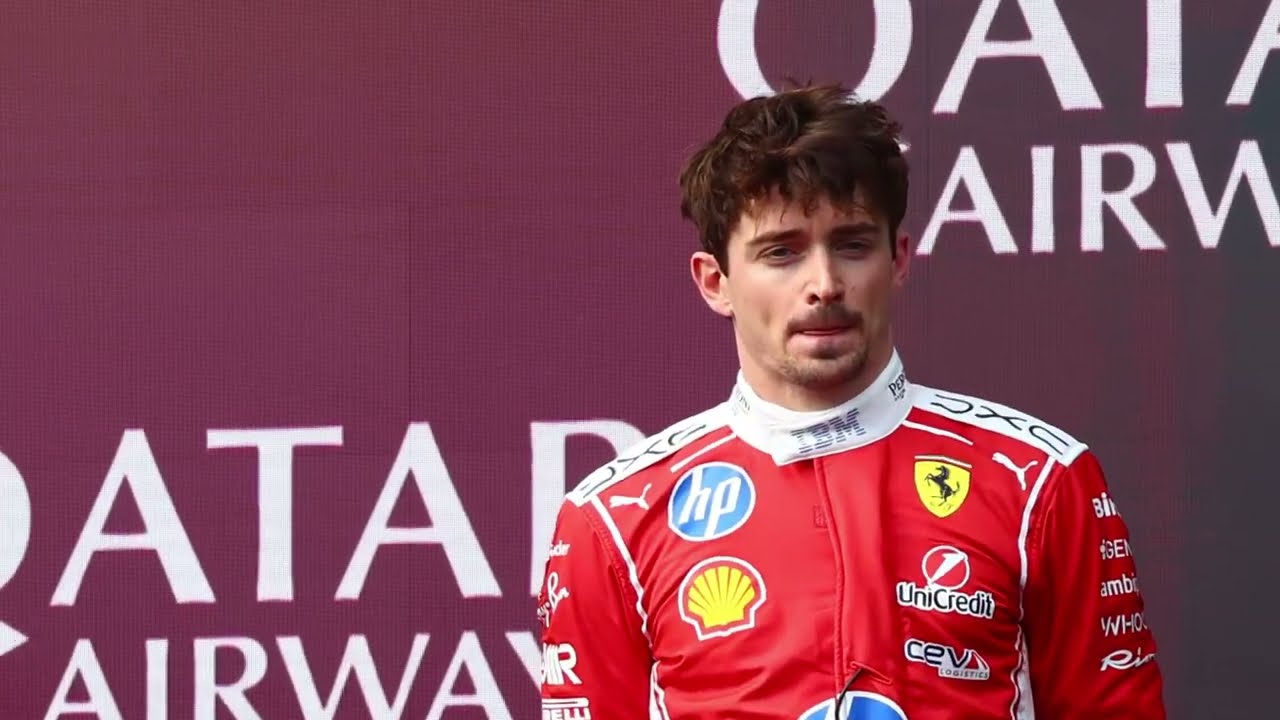
The core of the conflict lies in the fundamental differences between Albert Park and Shanghai. The 2026 power units are beasts that thrive on energy recovery, and Melbourne—a fast, flowing circuit with minimal heavy braking—was a worst-case scenario for Ferrari’s energy recovery system (ERS). In Australia, cars were struggling to recover even half of the 8-megajoule energy target, leading to “super clipping” and dangerous speed differentials on the straights. Mercedes, with a clearly superior power unit and smarter deployment software, exploited this weakness to the maximum.
Shanghai, however, is a different beast entirely. With heavy braking zones at Turn 6, Turn 11, and the iconic hairpin at Turn 14, the MGU-K (Motor Generator Unit-Kinetic) will finally be able to “breathe.” Technical analysts expect teams to finally hit their 8-megajoule recovery targets, a shift that plays directly into Ferrari’s hands. When the battery isn’t draining on every straight, the true mechanical grip and aerodynamic efficiency of the SF26 can shine. But Ferrari isn’t just relying on the track layout; they are bringing a technological hammer to the fight.
The “Macarena” wing—a rotating rear wing structure that has become the talk of the paddock—is set for its first high-stakes deployment in China. Designed to rotate around its axis on the massive 1.2-kilometer back straight, the wing reportedly offers a top-speed gain of 5 to 7 kilometers per hour. This isn’t just an upgrade; it’s a radical rethink of active aerodynamics. By virtually “inverting” the wing to cut drag to near-zero levels, Ferrari hopes to neutralize the straight-line advantage that Mercedes enjoyed in Melbourne. With three different specifications of the wing shipped to Shanghai, Ferrari is signaling that they are willing to experiment in real-time to find the “silver bullet” for Mercedes’ engine.
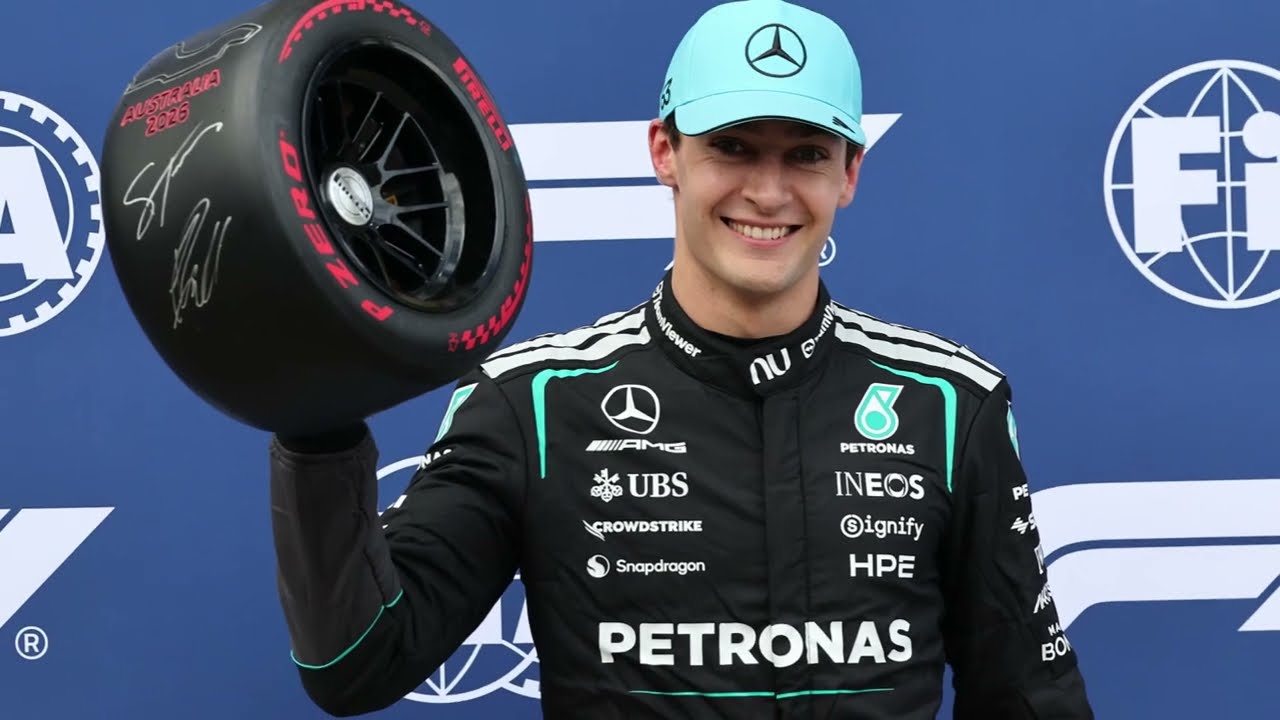
But the war isn’t just being fought in the wind tunnel; it has moved into the digital realm. In Melbourne, telemetry captured a unique energy recovery technique used by George Russell. By releasing the throttle with a gradual double downshift in the Turn 9-10 complex, Russell was able to maximize harvesting within a single corner—a trick the Ferrari engineers missed. In a stunningly rapid response, Ferrari has reportedly introduced a software modification for Shanghai specifically to replicate this Mercedes technique. This “real-time copying” highlights the desperation and the intensity of the development race. The knowledge gap, it seems, is just as critical as the mechanical one.
The human element in this equation cannot be overlooked. Lewis Hamilton is the undisputed King of Shanghai. With six wins, the most poles, the most podiums, and the most laps led at this circuit, Hamilton’s institutional knowledge of the track is a variable that Mercedes should fear. While he is still adapting to the Ferrari system, Hamilton’s “control phase”—where he stops reacting to the car and starts dominating it—seems to have arrived ahead of schedule. If the SF26 is as close to the Mercedes as the race pace in Melbourne suggests, Hamilton’s experience could be the deciding factor under the pressure of a sprint weekend.
Speaking of the sprint format, the Chinese Grand Prix introduces a level of chaos that could either crown Ferrari or crush them. With only one hour of free practice before competitive sessions begin, there is no room for error. Ferrari is introducing a revolutionary wing and a complex software patch with almost zero track time to refine them. It is a high-wire act that Fred Vasseur has deemed necessary. Mercedes, meanwhile, is not standing still. Toto Wolff has openly admitted they have a fight on their hands, and the team is bringing floor and diffuser updates that they claim will increase their chassis “ceiling.” Mercedes’ development curve has historically been steeper than Ferrari’s, and the Silver Arrows are betting that their consistent evolution will outpace Ferrari’s aggressive innovation.
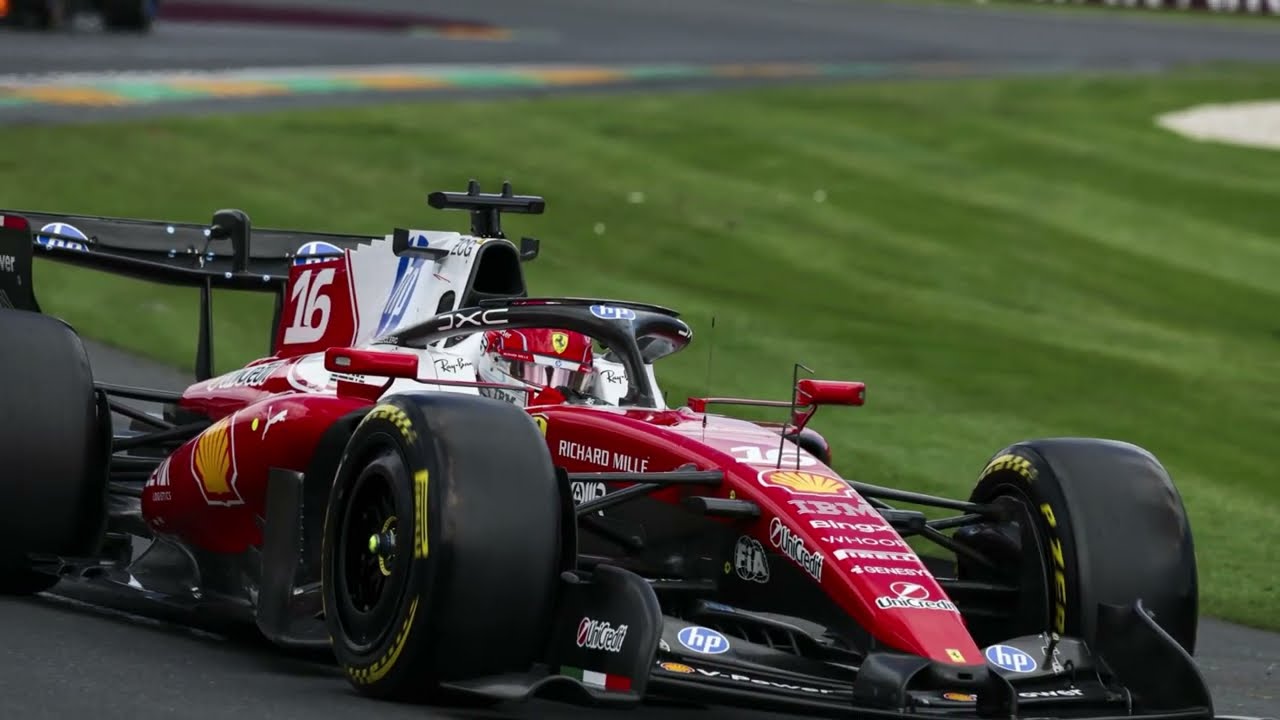
As the lights go out in Shanghai, the stakes extend far beyond the points table. This race will provide the “honest reading” the sport needs. Was Melbourne a structural reality or a circumstantial fluke? If Ferrari can use the Macarena wing and their new software to take the fight to Mercedes on a circuit that demands everything from a car, we are looking at a championship battle for the ages. If Mercedes dominates again, the pressure on Maranello might reach a breaking point before the European season even begins.
The 2026 revolution was supposed to level the playing field, but it has instead ignited a technical arms race that is moving faster than the cars themselves. In the smog of Shanghai, between the heavy braking of the hairpins and the screaming runs down the back straight, the future of this championship will be written. Whether it’s the “Macarena” dance of the Ferrari wing or the clinical precision of Mercedes’ software, one thing is certain: the era of “predictable” Formula 1 is officially over.