In recent years, public interest in the next generation of the British royal family has intensified, particularly as senior royals adapt the monarchy to a more modern and streamlined role. Among the most discussed young royals is Princess Charlotte of Cambridge, the only daughter of the Prince and Princess of Wales. While her appearances remain limited and carefully managed, her conduct at public events has drawn consistent attention from royal commentators and established media outlets.
At the same time, Princess Anne, the Princess Royal, continues to be recognized as one of the most dedicated and experienced members of the royal family. As the only daughter of Queen Elizabeth II, Anne has long been associated with discipline, responsibility, and an understated approach to public service.
While there has been online speculation about private interactions between Princess Anne and Princess Charlotte, it is important to focus on what is factually known and publicly supported, rather than unverified claims. What emerges from credible reporting is not a story of secret mentoring, but one of family proximity, role modeling, and the natural transmission of values within a close-knit royal household.
Princess Anne’s Established Role Within the Royal Family
Princess Anne has consistently ranked among the hardest-working members of the royal family. For decades, she has carried out hundreds of engagements annually, supporting charities, sporting organizations, and international causes. Her work ethic and no-nonsense demeanor have been widely documented by respected outlets such as the BBC and HELLO!.
Anne holds the title Princess Royal, an honor traditionally granted by the monarch to their eldest daughter. Importantly, this title is not hereditary and is held by only one person at a time, at the monarch’s discretion. Anne has carried the title since 1987, and no official plans regarding its future have ever been announced.
Royal historians often describe Anne as embodying continuity between Queen Elizabeth II’s era and the current reign of King Charles III. Her influence within the family is primarily symbolic and experiential rather than directive.
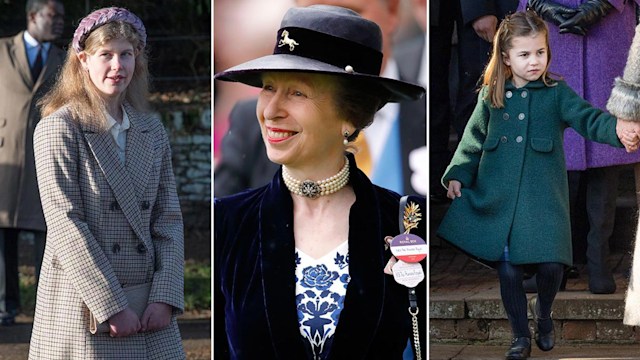
Princess Charlotte’s Public Appearances and Conduct
Princess Charlotte, born in 2015, is third in the line of succession after her father, Prince William, and her older brother, Prince George. Due to changes in succession law, she retains her position regardless of the birth of younger siblings, a point frequently highlighted by constitutional experts.
During public events such as Trooping the Colour, state occasions, and the annual Christmas walk at Sandringham, Charlotte has demonstrated calm behavior, attentiveness, and adherence to protocol. Media coverage has consistently noted her confidence and composure, but reputable sources are careful not to project expectations or future roles onto a child.
The Prince and Princess of Wales have been explicit about their desire to give their children a balanced upbringing, combining an understanding of duty with privacy and normality. This approach has been confirmed in interviews and official statements over the years.

Adelaide Cottage and Family Privacy
Adelaide Cottage, located within the Windsor estate, has served as the family home of the Prince and Princess of Wales since 2022. It is widely reported that the residence was chosen specifically for its privacy, modest size, and proximity to the children’s school.
Like many royal residences, Adelaide Cottage is a setting for ordinary family interactions rather than formal instruction. There is no official confirmation from Buckingham Palace or Kensington Palace of structured mentoring sessions, private briefings, or special preparations involving Princess Charlotte and Princess Anne.
Royal correspondents emphasize that most intergenerational learning within the royal family occurs informally, through observation and shared experience rather than direct training.
The Role of Example in Royal Life
What is well established is that younger royals often learn by observing senior family members. Princess Anne herself grew up watching Queen Elizabeth II carry out her duties, absorbing lessons about resilience, discretion, and service over time.
Similarly, Princess Charlotte’s exposure to relatives such as Princess Anne, King Charles III, and Queen Camilla allows her to see a range of approaches to royal responsibility. This does not imply future titles or roles, but rather an understanding of expectations, behavior, and public responsibility.
HELLO! and People have both noted that Charlotte’s position as a young royal woman places her in a different historical context than previous generations, with greater emphasis on equality, education, and personal choice.
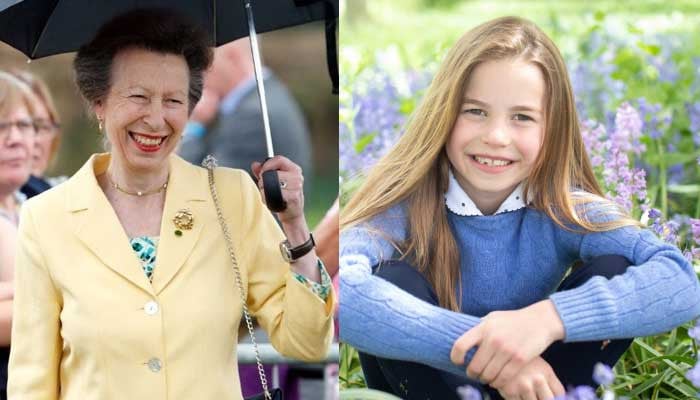
The Princess Royal Title: Context and Reality
While some commentary has focused on the Princess Royal title, constitutional experts are clear on several points:
- The title is granted solely at the monarch’s discretion
- It is not automatic and not hereditary
- No future holder has ever been designated in advance
As a result, any discussion about Princess Charlotte’s potential association with the title remains purely theoretical. Reputable media outlets avoid framing such possibilities as plans or preparations.
Instead, coverage tends to focus on the broader theme of how royal women navigate public service in a modern monarchy.
A Modern Monarchy and Streamlined Roles
Under King Charles III, there has been a clear emphasis on a “slimmed-down” working monarchy. This approach prioritizes fewer working royals, clearer roles, and sustainability.
In this context, younger royals such as Princess Charlotte and Lady Louise Windsor are expected to have more freedom in shaping their futures. Lady Louise, for example, does not use a princess title publicly and is currently pursuing education without formal royal duties.
This precedent underscores the royal family’s evolving approach: preparation through values, not obligation through titles.
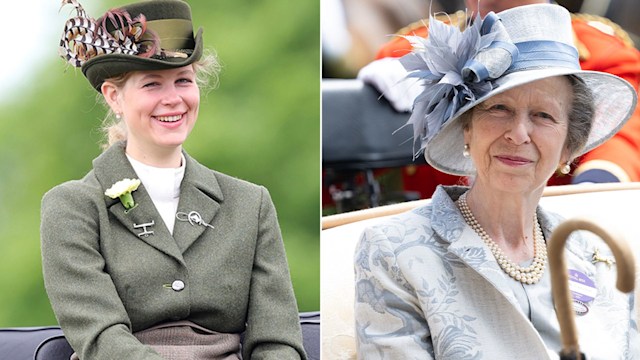
Public Fascination and Responsible Reporting
Public interest in Princess Charlotte reflects broader fascination with royal continuity and change. However, responsible reporting emphasizes caution when discussing children, avoiding assumptions about future responsibilities.
Established royal journalists consistently note that moments of calm behavior or maturity should not be interpreted as signs of predetermined roles, but rather as evidence of careful parenting and limited, appropriate exposure to public life.
Conclusion
What can be responsibly said about Princess Anne and Princess Charlotte is grounded in proximity, example, and shared family values, not secret instruction or future guarantees. Princess Anne represents decades of dedication and discipline, while Princess Charlotte represents a new generation growing up within a modernized monarchy.
Any connection between the two is best understood not as planning or preparation for titles, but as part of the natural continuity of family life within an institution that balances tradition with change.
In an era when the monarchy is redefining its public role, the quiet transmission of values—service, composure, and responsibility—remains its most enduring legacy.