In the high-stakes world of Formula 1, silence is often louder than words. But when Ross Brawn—the quiet architect behind Michael Schumacher’s dominance and the mastermind of Lewis Hamilton’s Mercedes era—decides to break that silence, the entire paddock stops to listen.
This week, the former technical chief dropped a bombshell statement regarding Lewis Hamilton’s tumultuous 2025 season with Ferrari. For months, fans and critics alike have watched in disbelief as the seven-time world champion struggled to find his footing in red.
The narrative has been cruel: Is he too old? Has he lost his motivation? Is the challenge of adapting to a new team too great?
Ross Brawn has stepped in to shatter those narratives. His message is blunt, undiplomatic, and terrifyingly clear: The problem isn’t Lewis Hamilton. The problem is Ferrari.
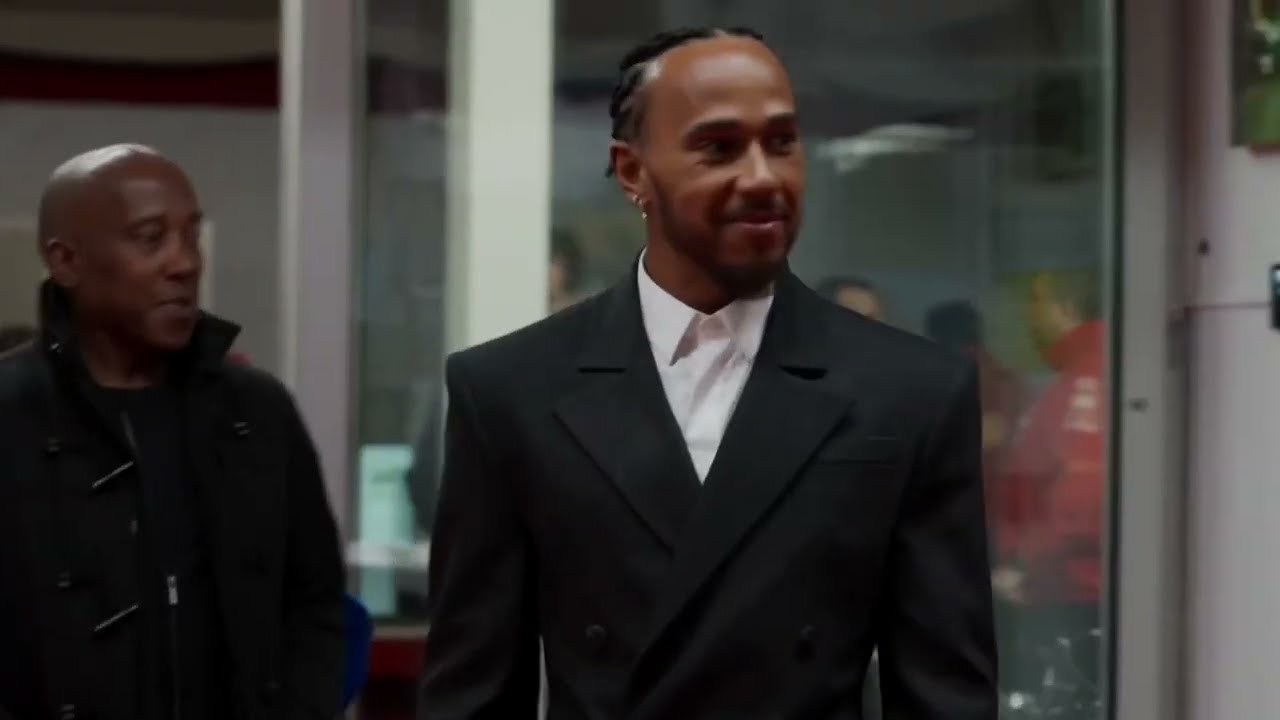
A Legend’s Diagnosis: The System is Broken
When a man of Brawn’s stature speaks, he doesn’t deal in speculation; he deals in hard truths. Having observed the unfolding disaster of Hamilton’s debut season at Maranello—capped off by a demoralizing weekend in Las Vegas—Brawn has pinpointed the root cause of the crisis. It is not a lack of talent in the cockpit, but a lack of stability in the garage.
Brawn’s assessment suggests that Ferrari is currently failing to provide the one thing a driver of Hamilton’s caliber needs to survive, let alone win: a consistent environment. The 2025 season has been plagued by a chaotic rhythm. We’ve seen the car’s performance vanish when track temperatures drop. We’ve watched the team crumble under the heat of strategic pressure. We’ve seen a total disconnect between practice pace and qualifying reality.
According to Brawn, these aren’t just technical glitches; they are symptoms of a team that hasn’t learned how to support a superstar. He argues that Ferrari is not “giving Hamilton what he needs to succeed.” This isn’t about giving him a faster car on paper; it’s about the operational sharpness that turns potential into points. Brawn, who spent years eliminating these very inconsistencies at Mercedes to build a juggernaut, recognizes the signs of a team that is “firefighting” rather than building.
The Las Vegas Low Point
The catalyst for Brawn’s intervention seems to be the recent Las Vegas Grand Prix, a weekend that Hamilton himself described as the “worst season of his career.” For observers, the most alarming aspect wasn’t the lap times—it was the body language.
Hamilton looked drained. His radio messages were flat, lacking that trademark fighting spirit. When he admitted he wasn’t looking forward to next year, it sent shockwaves through the sport. In the ruthless environment of F1, such an admission is usually blood in the water.
But Brawn views it differently. He defended Hamilton’s honesty, interpreting it not as weakness, but as a desperate signal that the “trust is fading.” Brawn knows that drivers like Hamilton thrive on emotional connection and belief in the process. Right now, that belief is being eroded by a system that seems incapable of learning from its mistakes. The “emotional slip” in Vegas wasn’t a driver giving up; it was a driver realizing he is carrying the weight of a legendary team alone.
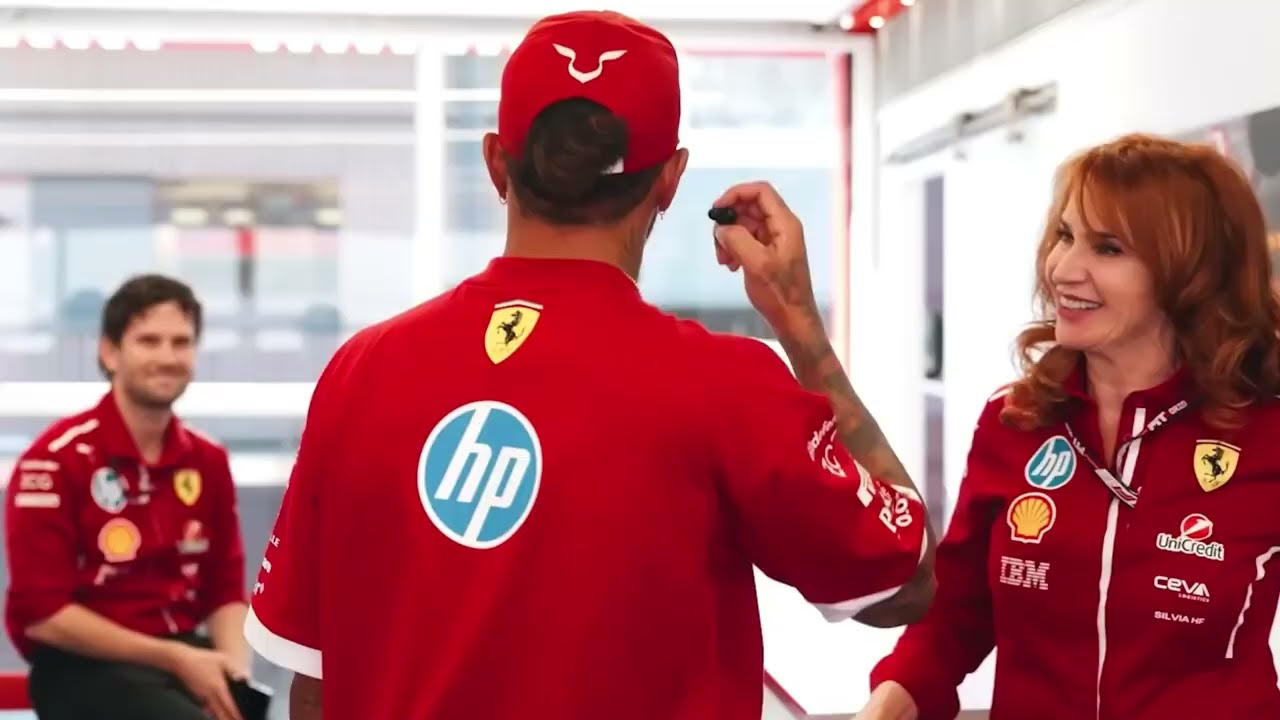
The Culture Clash: Silence vs. Listening
Perhaps the most stinging part of Brawn’s critique is his subtle rebuke of Ferrari’s upper management. Recently, Ferrari chairman John Elkann suggested that drivers should “talk less,” a comment widely interpreted as a desire to keep frustrations in-house.
Brawn’s perspective is radically different. He implied that the issue isn’t the driver speaking out; it’s the team failing to listen. Great teams, Brawn argues, are built on honesty and the willingness to confront uncomfortable truths. In the Mercedes culture that Hamilton helped cultivate, feedback was gold. Problems were attacked openly. At Ferrari, the old-school mentality of “enduring in silence” seems to prevail, and it is suffocating their star driver.
Brawn warns that this culture clash is dangerous. If Hamilton feels unheard and unsupported, the “emotional detachment” that has already begun will become permanent. And once a driver checks out mentally, no amount of horsepower can bring them back.
The 2026 Ultimatum
However, Brawn’s message wasn’t just a critique of the present; it was a dire warning for the future. He made it crystal clear that the entire Hamilton-Ferrari project now hinges on a single factor: the 2026 regulations.
To the casual fan, 2026 might seem like a distant date on the calendar. To Ross Brawn, it is tomorrow. The upcoming rule changes represent a total “reset” of the sport—new aerodynamics, new power units, new philosophy. Brawn, who famously predicted and prepared for Mercedes’ hybrid dominance years in advance, sees 2026 as the only window left for Ferrari to salvage this partnership.
His fear is palpable. While rivals like Mercedes and Red Bull appear to be deep into their long-term development strategies, Ferrari still looks stuck in the mud, trying to patch up the flaws of their 2025 car. Brawn warns that teams who spend too long reacting to current weaknesses inevitably fall behind when the rules change.
If Ferrari misses the mark on the 2026 car from day one, the dream is over. Brawn bluntly stated that “2026 is not later; it is the only window Ferrari has left.” If they fail to deliver a championship-contending machine immediately, they risk wasting the final, precious years of Hamilton’s career.
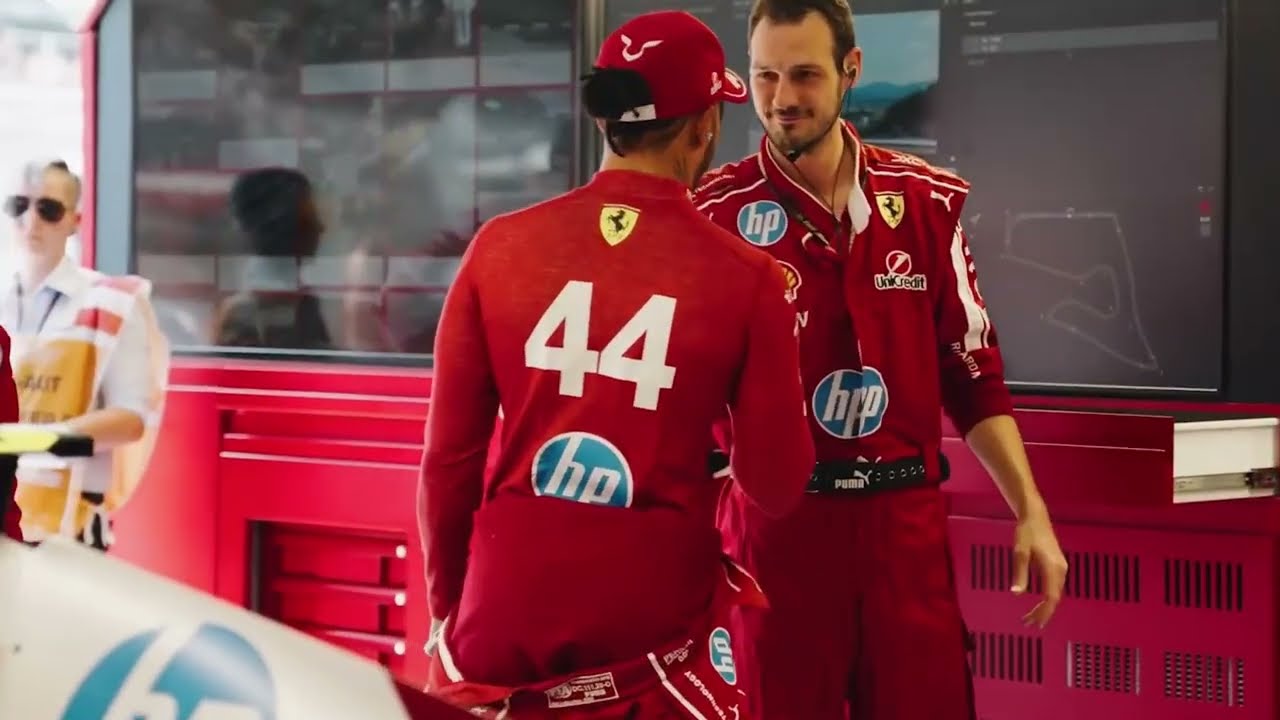
A Race Against Time
Ultimately, Ross Brawn’s intervention serves as a frantic alarm bell ringing in the halls of Maranello. He is telling Ferrari that they are running out of time. Hamilton is 40 years old. He is entering the final chapter. He still has the speed—flashes of brilliance in Mexico and Austin proved that the fire is still there—but he cannot fight a war on two fronts: one against his rivals on track, and another against his own team’s incompetence.
The choice, Brawn implies, is now Ferrari’s to make. They can continue down their current path—reactive, defensive, and disjointed—and watch the greatest driver of his generation fade into a frustrating retirement. Or, they can heed the advice of the man who knows how to win better than anyone else. They can rebuild their structure, embrace honest feedback, and commit everything to the 2026 revolution.
Ross Brawn didn’t speak to embarrass his former team. He spoke because he knows what is at stake. This isn’t just about one season; it’s about the legacy of the sport’s most famous team and its most decorated driver. The clock is ticking, and for the first time, the world is realizing that the “Hamilton to Ferrari” dream is perilously close to becoming a nightmare.
