Formula 1 is currently marching into a corporate boardroom to decide the long-term future of the sport, and the most vital people in the entire operation—the drivers themselves—have been left completely shut out of the room. The governing body, the FIA, is heavily preparing to discuss the highly controversial 2026 regulations. The agenda is packed with complex topics like new power units, hybrid energy systems, completely altered qualifying formats, and glaring safety issues that have already started showing terrifying cracks.
Yet, the men actually throwing these billion-dollar machines into corners at 300 kilometers per hour are being kept firmly outside the door. This glaring disconnect is exactly why seven-time world champion Lewis Hamilton’s recent reaction landed with such a heavy impact. He did not sound like a man calmly reviewing a mundane technical document. He sounded like a veteran who had just watched his beloved sport completely ignore the very people who know these cars the best. And honestly, that is exactly where this story shifts from a standard paddock rumor into something deeply uncomfortable.
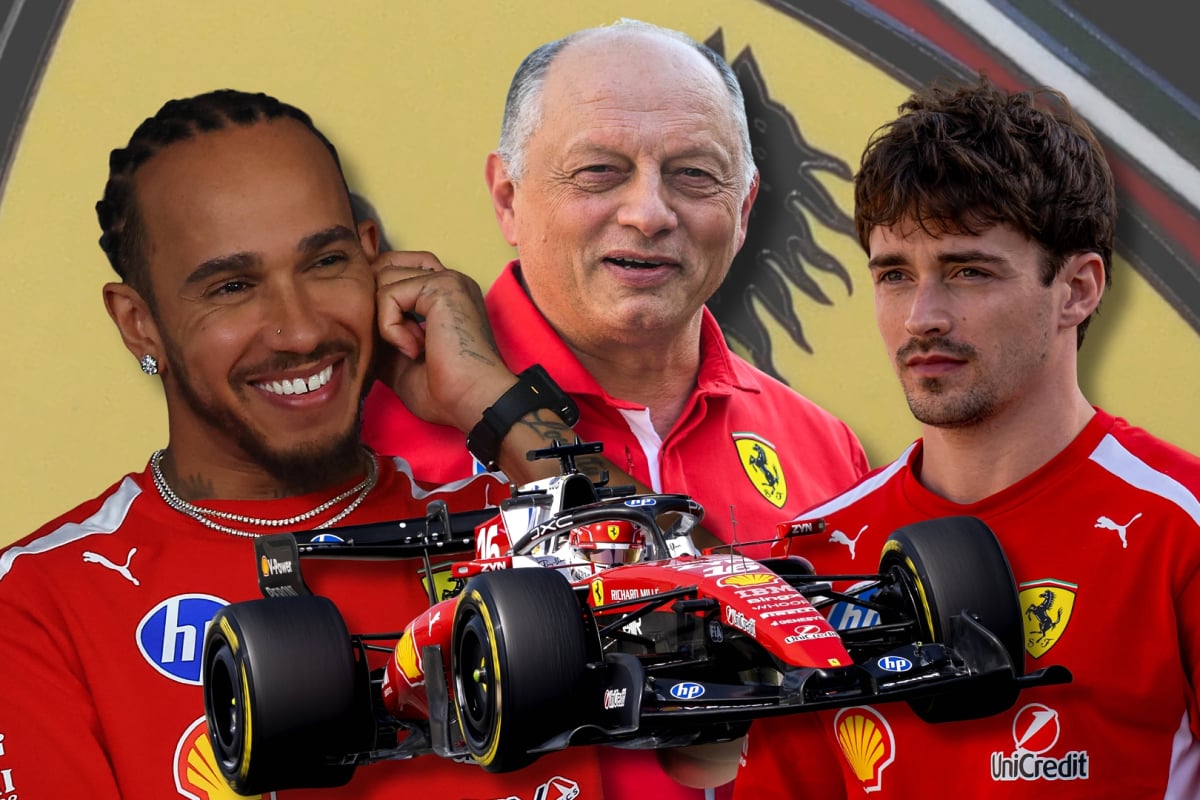
The Illusion of Success vs. The Reality on Track
Right now, if you look at Formula 1 from a purely business perspective, the sport is booming on a scale never seen before. The global audience is utterly massive, television ratings are breaking records, and the financial revenue flowing into the teams is staggering. Every grandstand is packed, and the brand feels absolutely invincible. But beneath this glossy surface of perfectly orchestrated Netflix drama and VIP luxury, a completely different and far more dangerous reality is rapidly building.
The drivers—the gladiators who actually make this spectacle worth watching—are loudly ringing the alarm bells. They are stating clearly that the cars are fundamentally flawed, the technical systems are not working, and worst of all, their voices are being silenced. Usually, when a sport thrives to this degree, the product on the field perfectly matches the success off it. But right now, the commercial triumph of Formula 1 and the actual driving experience are moving in exact opposite directions.
The Terrifying Reality of “Super Clipping”
This is not merely about a few pampered athletes complaining over a bad weekend. This is about a fundamental safety crisis. One of the most glaring warning signs regarding the 2026 rules was not hidden in a sterile press release or a simulator data chart; it was a violent, massive crash.
Picture this terrifying scenario: You are strapped into a carbon-fiber missile, tearing down a straight at well over 300 kilometers per hour. Your vision is intensely narrowed, and your focus is entirely locked on the braking zone quickly approaching in the distance. Everything feels entirely normal. Then, without a single visual warning, the car ahead of you violently decelerates. It isn’t because the driver made a catastrophic error. It isn’t because of a mechanical failure or visible damage. It is because the software inside the car decided to suddenly strip away power to harvest energy—a dangerous phenomenon known as “super clipping.”
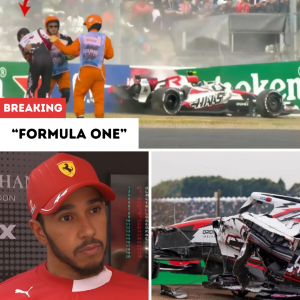
In a fraction of a second, the car ahead drops from 300 km/h to 260 km/h. As the trailing driver, you have absolutely zero warning. There are no brake lights, no predictable patterns, and nothing that signals this aggressive slowdown. By the time your brain processes the closing speed, your reaction time is already gone. You are forced off the track at full throttle, instantly losing control, and you slam into the unforgiving barrier with the colossal force of 50Gs.
A 50G impact is not just a passing statistic. That is the kind of brutal hit that aggressively reminds everyone just how dangerously thin the line is between a driver walking away and a catastrophic tragedy. Yes, the driver in this instance survived and walked away, but that does not mean the regulations worked. It simply means he got extremely lucky. And relying on sheer luck is the absolute last thing anyone should do when designing the technical blueprint for the future of motorsport.
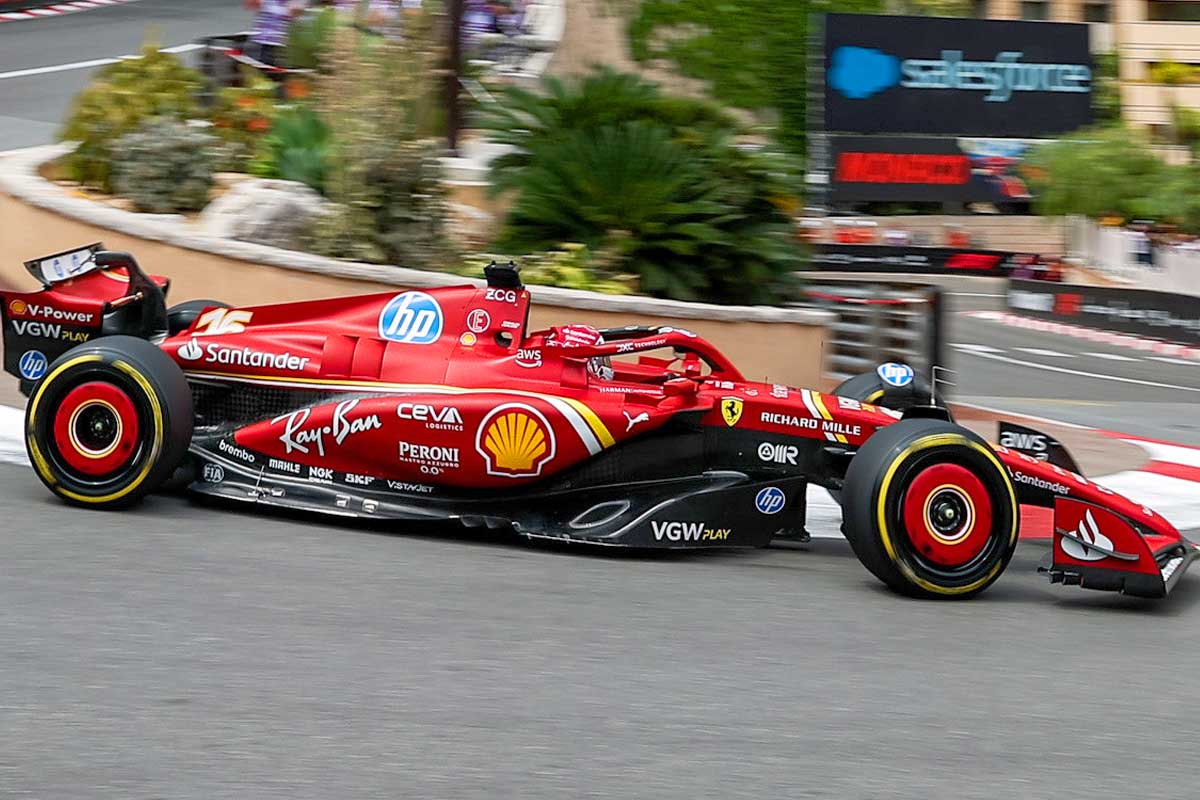
The Death of Pure Qualifying
The crisis does not end with unpredictable straight-line speeds. It completely bleeds into the very DNA of what makes Formula 1 spectacular. Qualifying has historically been the purest, most thrilling test of raw speed and unadulterated human skill on the planet. It was about taking a car to the absolute limit on light fuel and fresh tires.
Under the impending regulations, however, this breathtaking spectacle is turning into a bizarre accounting exercise. Instead of pushing flat out, drivers are now being forced to obsessively manage energy harvest, calculate power deployment, and constantly monitor battery levels—even during a flying hot lap. It changes the entire nature of the sport. It is no longer just deeply frustrating; it is demonstrably dangerous. One driver even admitted to looking down at his complex steering wheel to monitor battery percentages while traveling at mind-bending speeds, instead of keeping his eyes entirely glued to the racing line. In a sport where a single millisecond or a millimeter of focus means the difference between pole position and a hospital visit, forcing drivers to split their attention between driving and managing background software is sheer madness.
A Rare United Front: The Paddock Revolts
What makes this escalating situation so remarkably unique is the unprecedented unity among the drivers. In a typical Formula 1 season, the grid is fiercely divided. Teammates barely trust one another, bitter rivals fight tooth and nail for any minor advantage, and everyone is intensely selfish about their own trajectory. Yet, this shared technical nightmare has completely erased those lines.
Max Verstappen, a driver who thrives on cutthroat competition, has been brutally honest, comparing the incoming 2026 cars to a ridiculous video game where managing artificial boosts matters far more than pure driving talent. When a fiercely dominant champion like Verstappen openly hints that he might just walk away from the sport because the cars are no longer fun or authentic, that is a glaring red flag.
Lando Norris delivered an equally devastating blow. When asked bluntly by the media if he actually enjoys driving these wildly complicated machines, he didn’t offer a polished PR answer. He paused, sighed, and delivered two chilling words: “Not really.” Think about the weight of that statement. A reigning champion, living the ultimate childhood dream, is actively not enjoying his time in the cockpit. Fernando Alonso echoed these exact sentiments, mockingly referring to the incoming era as a “battery championship” where genuine racing takes a backseat to software management.
The Politics of Power and Silence
So, why isn’t the FIA immediately halting these rules and fixing the problem? The answer, as always in Formula 1, comes down to ruthless politics and massive vested interests. Some of the top teams, specifically those who have already figured out how to heavily benefit from the current aerodynamic and engine frameworks, have absolutely zero incentive to push for change. If the current broken rules give them a competitive advantage, why would they risk their dominance for the sake of safety or driver satisfaction?
This creates a deeply toxic environment where the people holding the most political influence and voting power are the ones with the least motivation to fix the glaring problems. The drivers are entirely trapped in the middle. They can voice their concerns to the media, they can complain in the Grand Prix Drivers’ Association (GPDA) briefings, and they can passionately warn the world, but when the actual votes are cast, they do not hold a pen.
The Crossroads for the Future
Formula 1 is standing at a historic and incredibly dangerous crossroads. Some of the technical flaws, like tweaking energy deployment maps to prevent “super clipping,” can theoretically be fixed relatively quickly if the right executives simply agree to do so. But the much deeper institutional rot—the system that actively decides who gets a voice and who does not—is far harder to cure.
If the FIA stubbornly refuses to grant the actual drivers a formal, meaningful vote in shaping the regulations that dictate their own safety and careers, this simmering frustration will inevitably boil over. Imagine the catastrophic global headline if a generational talent like Max Verstappen actually follows through on his threats and shockingly retires in his prime—not because he lost his edge, but because the sport simply stopped being safe and enjoyable.
The upcoming boardroom meetings will happen, and PR statements will undoubtedly be released. But the real answer the entire motorsport world is anxiously waiting for is much bigger than any software patch or technical fix. Will Formula 1 finally humble itself and listen to the brave men risking their lives inside the cockpit, or will it arrogantly continue to make life-or-death decisions from the safety of the outside looking in? The clock is ticking, and the very soul of the sport hangs entirely in the balance.