The latest controversy surrounding Prince Harry and Meghan Markle has once again placed the couple at the center of an international political storm, one driven less by policy and more by perception. Following comments attributed to Harry criticizing proposed deportation measures associated with former U.S. President Donald Trump, online speculation erupted over whether the Duke of Sussex was signaling a readiness to leave the United States altogether in protest. While no official relocation plans have been confirmed, the rhetoric alone has been enough to reignite debates over entitlement, immigration, and political leverage.

According to reports circulating in U.S. and UK media, Prince Harry publicly expressed concern about what he described as the moral implications of aggressive deportation policies. In those remarks, he framed the issue as one of justice rather than politics, aligning himself with broader humanitarian criticism voiced by advocacy groups. However, the language used was interpreted by some commentators as unusually confrontational, particularly given Harry’s non-citizen status and high-profile residency in California.
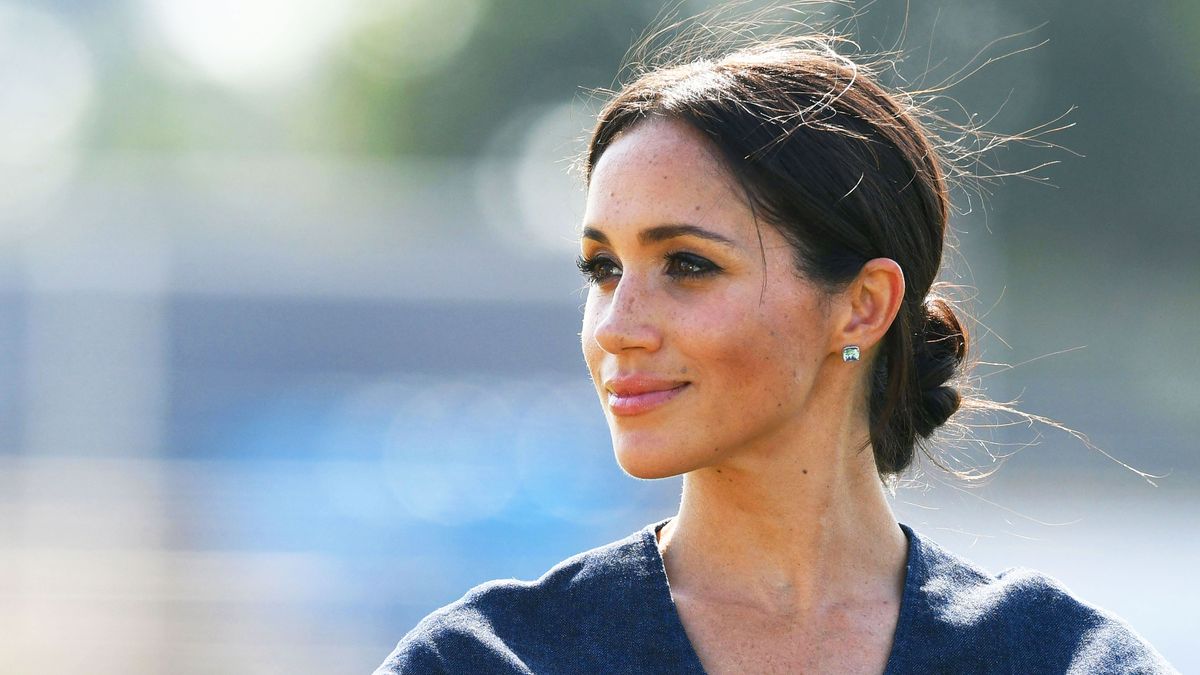
That interpretation intensified after claims surfaced that Trump had declined to extend a formal invitation to Harry and Meghan for a high-profile White House gala, allegedly rejecting any framing of the couple as senior representatives of the British royal family. No official White House statement has confirmed such an invitation or refusal, but the narrative gained traction online, feeding into an existing storyline of diminishing access and symbolic influence for the Sussexes.
Trump’s response, delivered through public remarks and social media commentary, was characteristically blunt. He criticized what he called “ingratitude,” suggesting that public opposition from a foreign-born celebrity figure was inappropriate. While Trump did not reference immigration status directly, supporters interpreted his comments as a reminder that residency in the United States is governed by law, not celebrity or lineage.
For Prince Harry, the episode underscores a recurring tension that has followed him since his move to America: the challenge of speaking forcefully on political and social issues while occupying a legally and diplomatically sensitive position. Unlike elected officials or naturalized citizens, Harry’s voice carries symbolic weight without formal accountability, a dynamic that often leaves him exposed to criticism from multiple sides.
One political analyst noted that Harry’s comments were likely intended to resonate with progressive audiences rather than provoke governmental retaliation. “This looks more like moral signaling than policy intervention,” the analyst said. “But when you’re as visible as Harry, signaling alone can have consequences.”
Public reaction has been sharply divided. Supporters praised Harry for using his platform to highlight what they see as inhumane policies, arguing that silence would be a greater failure. Critics, however, accused him of hypocrisy, pointing out that his own presence in the United States has benefited from privilege, resources, and legal pathways unavailable to most migrants.
The situation has also revived questions about Harry and Meghan’s long-term plans in the U.S. Since relocating in 2020, the couple has built professional, philanthropic, and media ties that suggest deep roots rather than temporary refuge. Meghan Markle, a U.S. citizen, anchors the family legally, while Harry’s visa status has been the subject of periodic speculation but no confirmed controversy.
A former immigration attorney commented that public debates often misunderstand the legal realities involved. “Political statements don’t automatically translate into immigration consequences,” she said. “High-profile individuals are still subject to the same statutory frameworks, but rhetoric alone doesn’t change visa status.”
Still, perception matters. In political climates defined by polarization, symbolic gestures can be amplified into perceived threats or challenges. For Trump’s supporters, Harry’s remarks reinforced an image of foreign interference in domestic affairs. For Trump’s critics, the exchange illustrated what they view as intolerance toward dissenting voices.
Meanwhile, the British royal family has remained silent, maintaining its longstanding policy of non-engagement in political disputes. That silence, as usual, has been interpreted in multiple ways: as strategic distance, quiet disapproval, or simple adherence to constitutional norms.
What is clear is that Harry’s position remains uniquely complicated. He is neither a private citizen in the conventional sense nor an active royal representative. Each political statement he makes is filtered through layers of identity—royal, celebrity, immigrant, advocate—creating reactions far beyond the substance of his words.
As of now, there is no verified evidence that Harry and Meghan are preparing to leave the United States, nor that any official action has been taken against them. But the episode serves as a reminder of how quickly rhetoric can escalate into narrative, and narrative into controversy.
In an era where symbolism often outweighs substance, the real question may not be where Harry and Meghan would go next, but how long they can continue navigating the narrow space between activism and accountability without becoming collateral in someone else’s political battle.