There is nothing quite as terrifying for a Formula 1 driver as starting a brand new season already on the back foot. The slate is supposed to be wiped clean, offering a fresh start and a renewed sense of hope. However, as the 2026 season dawns with a radical set of new technical regulations, several of the sport’s most elite drivers are staring down the barrel of severe, career-defining crises.
Whether it is battling the blatant woes of a team in complete meltdown, failing to meet sky-high expectations, or grappling with a deeply existential career dilemma, the competitive reality of Formula 1 simply cannot be denied.
The dawn of the 2026 era was meant to be a grand reset. Instead, it has revived old nightmares and created entirely new challenges that are threatening to derail the campaigns of multiple superstars before the first red light has even gone out.
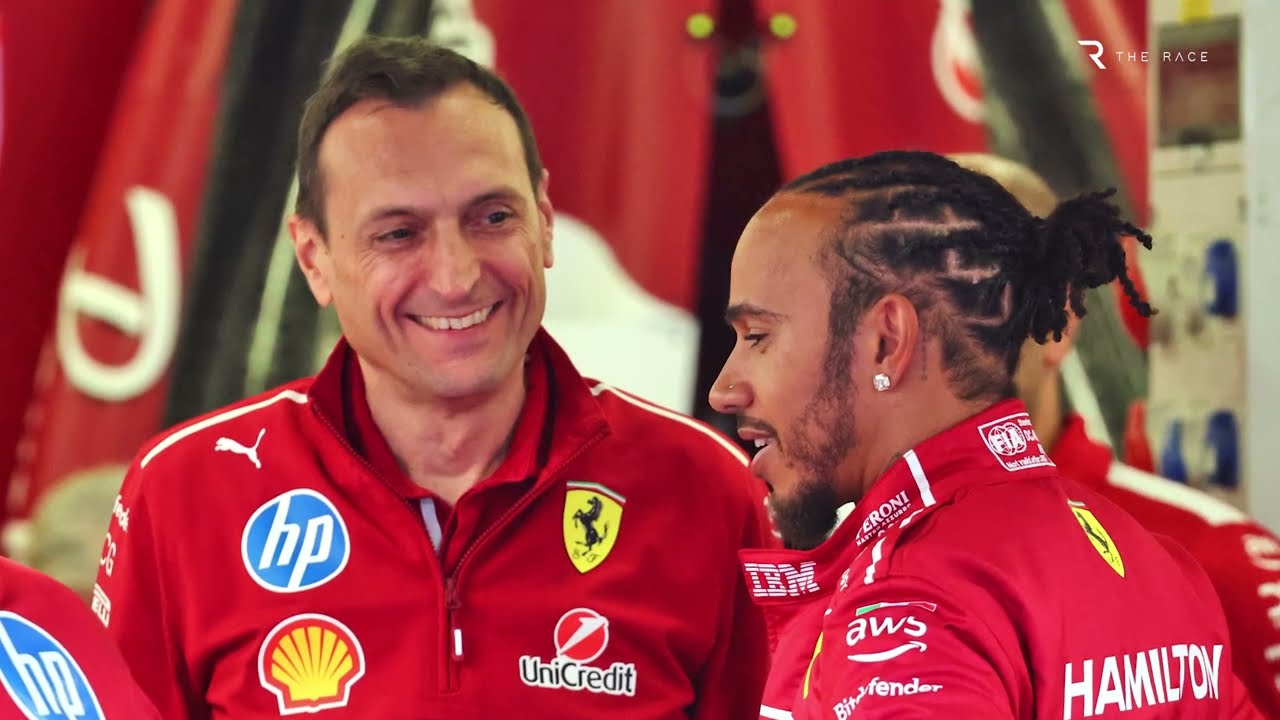
Fernando Alonso: History’s Cruelest Joke
There is something painfully and deeply ironic about the current situation surrounding Fernando Alonso. The two-time World Champion has spent literally two decades waiting for the golden opportunity to drive a car designed by the legendary Adrian Newey. Now, heading into 2026 with Aston Martin, Alonso is not even certain he will have a realistic shot at finishing the very first race of the season.
The core factor threatening to undermine the final, truly competitive years of his illustrious career is the exact same manufacturer that ruined his life over a decade ago: Honda. The Aston Martin package looks severely compromised, desperately short on overall performance, and carrying terrifying reliability concerns. Given how painfully his McLaren-Honda reunion unfolded back in 2015—an era defined by blown engines and pure public frustration—this current scenario represents a bitter, almost unimaginable final twist.
At best, Alonso is beginning the year praying for a miraculous, rapid rate of mid-season development simply to reach the middle of the pack. The grand, championship-contending ambitions he once held for this £150 million mega-project now hang by a microscopic thread. There is a very real, very dangerous risk that his enduring faith in Aston Martin will be completely eroded by Honda’s catastrophic struggles, forcing him into one of the most mentally taxing campaigns of his entire life.
Lewis Hamilton: The Pressure of the Red Suit
While Alonso battles ghosts of the past, Lewis Hamilton faces the immense, crushing weight of the present. There is arguably no driver on the 2026 grid who has more personal and professional stakes on the line this year than the seven-time World Champion. Following a shockingly dire first year with Ferrari in 2025, the 41-year-old absolutely must turn things around to justify his blockbuster move.
The pressure is mounting internally as well. His race engineer, Riccardo Adami, has been replaced on an interim basis, making what Hamilton already described as a “difficult period” even more volatile. During the early days of Bahrain testing, Hamilton looked visibly less comfortable in the new Ferrari than his teammate Charles Leclerc.
However, Hamilton has noted that he feels more deeply connected to the 2026 car, having played a significant role in its development. He vastly prefers the new machinery over the stiff, punishing ground-effect cars of the previous generation. While Ferrari seems to be in decent shape—perhaps only a small step behind the dominant Mercedes—the true challenge lies entirely on Hamilton’s shoulders. He must quickly dial into the car’s setup window to match, or ideally beat, Leclerc. If the early part of 2026 looks anything like his struggles in 2025, the external questions regarding his age and future will become deafening.
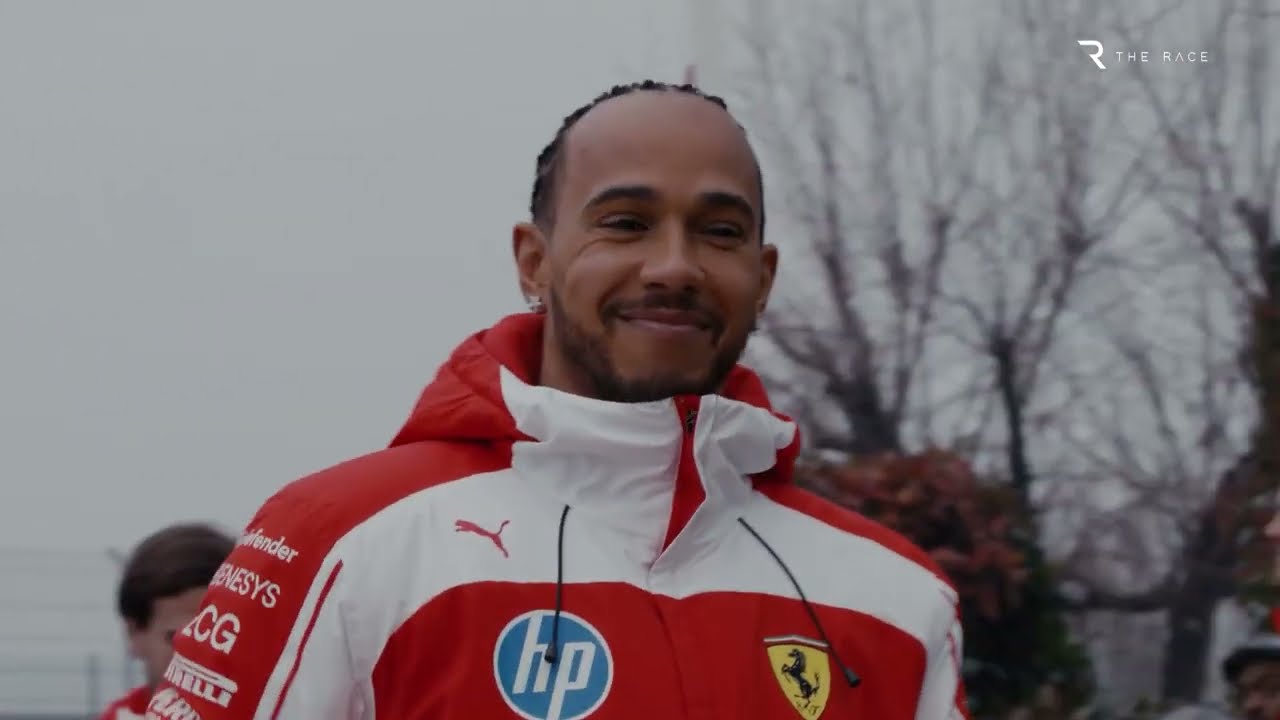
Carlos Sainz: A Gamble Gone Wrong?
Carlos Sainz’s decision to join Williams last year was initially hailed as an inspired, highly calculated move. He smartly avoided the chaotic transitions at Sauber/Audi and Alpine to build a long-term project at Grove. However, as the 2026 season approaches, that choice is starting to look like a massive miscalculation.
Pre-season testing has brutally exposed Williams. The team completely missed the crucial first test in Barcelona, and their 2026 challenger hit the track heavily overweight and lacking the fundamental aerodynamic poise of its midfield rivals. As Sainz himself admitted, the situation has laid bare exactly how much ground Williams still desperately needs to make up.
The weight reduction project is going to take significant time, severely compromising the team’s ability to use ballast for optimal weight distribution. Furthermore, early signs indicate that Williams’ high-rake design approach is causing serious problems in finding the correct setup window. Sainz is driving brilliantly, but the sheer lack of car performance means he is facing a brutally tough start to the season. The question now is whether Williams has put itself on the back foot not just for 2026, but for the foreseeable future.
Oscar Piastri: The Flaw in the Armor
Oscar Piastri enters 2026 carrying some of the highest expectations on the entire grid. Having narrowly, agonizingly missed out on the World Championship in 2025, the young Australian wanted an immediate opportunity to exact revenge. Unfortunately, McLaren appears set to begin the new era on the back foot, seemingly struggling to fully understand the incredibly complex new energy management demands.
But there is a much more subtle, deeply concerning issue specifically plaguing Piastri. The decisive factor in his 2025 championship loss was a glaring late-season struggle to extract grip and confidently attack slow-speed corners. The new generation of 2026 cars naturally slide significantly more across the board due to massively reduced aerodynamic downforce. Because cars now spend more time in corners, Piastri’s specific weakness is being brutally exposed, while his traditional advantage in high-speed sections has been proportionally minimized. During testing, Piastri did not look as immediately comfortable as his teammate Lando Norris, signaling a potentially rocky start to his highly anticipated title campaign.
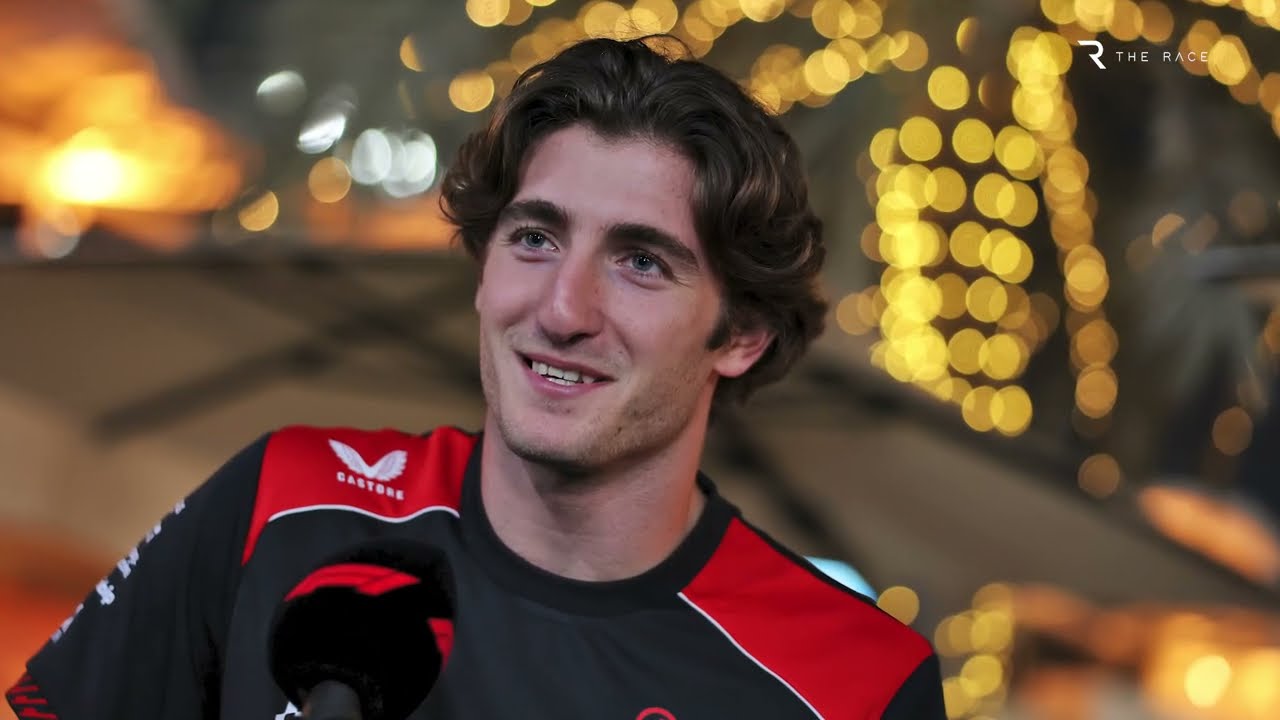
Max Verstappen: The Existential Crisis
Including the reigning king of Formula 1 on a list of drivers in “trouble” might seem highly divisive, but Max Verstappen is currently facing an existential career crossroads. Red Bull Powertrains seems to have miraculously produced a highly respectable, reliable engine from scratch for 2026. The major problem? It still might not be enough.
If Red Bull is genuinely only the fourth-best package at the start of the season, Verstappen will be left fighting for mere podium scraps rather than dominant victories. And as the paddock knows, an uncompetitive Verstappen is an incredibly unhappy Verstappen.
However, the real danger is far deeper than mere lap times. Verstappen has made it abundantly clear that he absolutely despises this new era of regulations, specifically citing the extreme, micromanaged extent of electrical energy management required. He has boldly claimed that even if he is given a winning car, he still will not enjoy driving it. When combined with his vocal disdain for sprint races, the ballooning calendar, and the influx of street circuits, 2026 will undoubtedly shape Verstappen’s thinking about his long-term future. If Formula 1 continues to push him away, the sport’s brightest star might just decide to walk away entirely.
