In the heat of Barcelona, under the scrutiny of the world’s media, Lewis Hamilton crossed the line. The timing screens flashed purple: 1:16.348. Fastest man on track. The narrative wrote itself—red overalls, red helmet, red glory. The Ferrari dream, alive and kicking.
But while the cameras zoomed in on the celebrations, the mood inside the Ferrari garage was far from jubilant. Engineers weren’t high-fiving; they were staring at telemetry traces with furrowed brows. Because that lap, fast as it was, wasn’t a statement of dominance. It was a warning shot from a car that was screaming for help.
The data told a different, darker story: the Ferrari SF26, the car tasked with delivering Hamilton’s record-breaking eighth world title, was running out of electricity halfway down the straight.
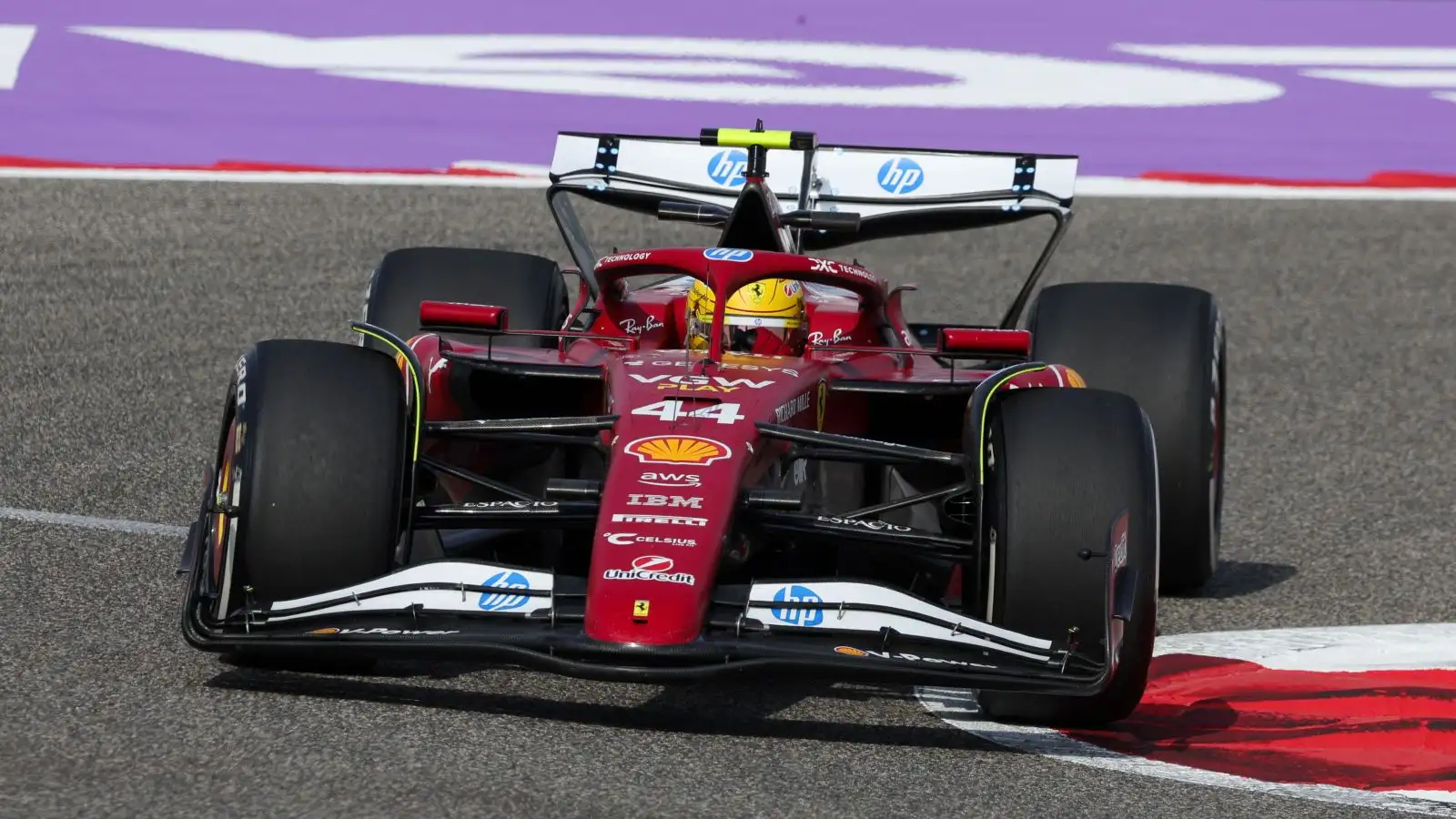
The Steel Revolution: Genius or Madness?
To understand the crisis brewing in Maranello, you have to look under the engine cover. The SF26 is not an evolution; it is a revolution built on one of the most controversial engineering decisions in modern Formula 1.
In a sport obsessed with saving weight, where teams will strip paint to save grams, Ferrari has deliberately chosen a heavier, denser material for their engine: Steel cylinder heads.
Why? Because steel can handle what aluminum cannot: extreme heat and pressure. The logic is bold. By running the power unit harder and hotter, Ferrari can shrink the cooling requirements. This allowed the aerodynamicists to “shrink-wrap” the rear of the car, creating a tapered, streamlined masterpiece reminiscent of the early Mercedes domination era. It is a thermodynamic gamble designed to exploit the 100% renewable fuels of 2026, which burn hotter and more violently than their fossil fuel predecessors.
On paper, it is brilliant. In reality, it might be a disaster.
The “Clipping” Nightmare
The problem revealed in Barcelona is “clipping.” This occurs when the car’s battery drains its 350-kilowatt allowance before the end of a straight. Without the MGU-H (Motor Generator Unit-Heat) to harvest energy from exhaust gases—a component banned for 2026—the burden falls entirely on the MGU-K (Kinetic) to recover energy under braking.
Right now, Ferrari’s recovery efficiency is lagging. The car has the horsepower—the V12-like scream of the engine proves that—but it has the stamina of a smartphone with a dying battery. Hamilton and his teammate, Charles Leclerc, have been reporting a car that feels “nervous” and “twitchy” in the braking zones. This isn’t just a setup issue; it is a fundamental “handshake problem” between the mechanical braking system and the electrical regeneration. The car is hunting for energy, shifting brake bias mid-corner to compensate, making it a nightmare to drive on the limit.
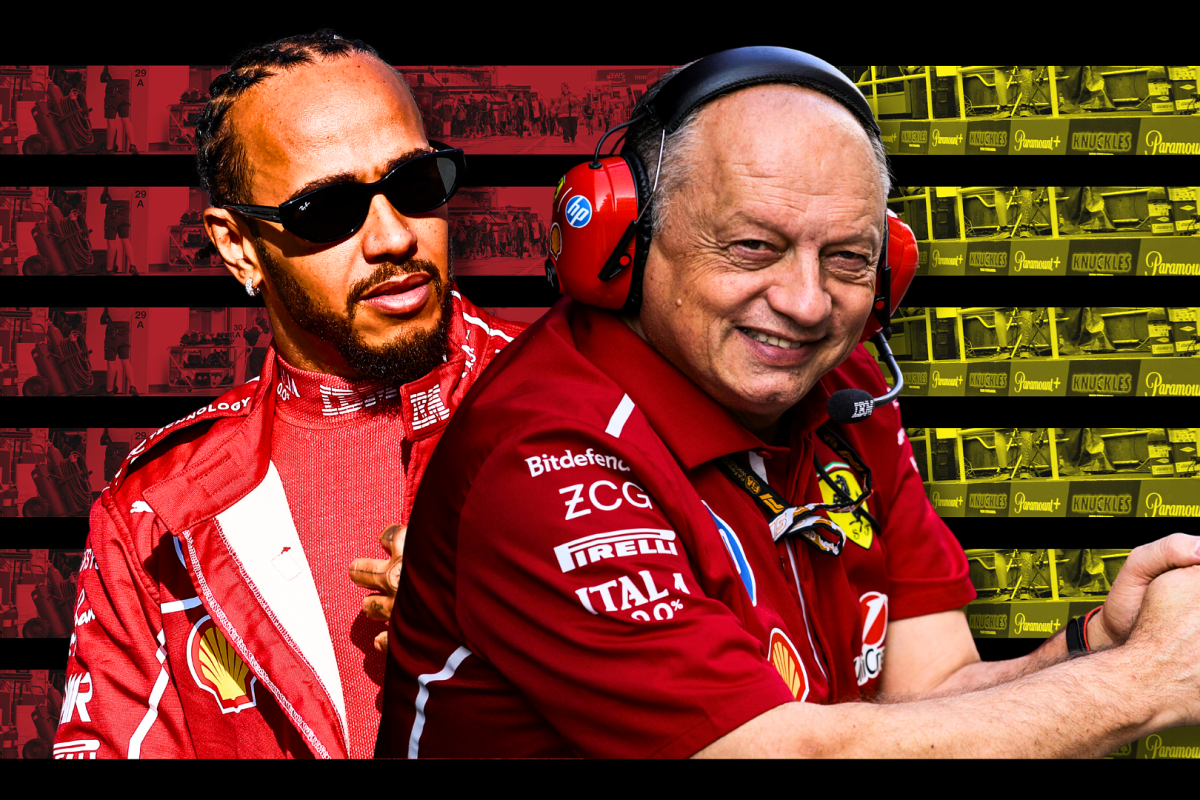
Hamilton’s Dilemma: Speed vs. Stability
Ross Brawn, the mastermind behind Michael Schumacher’s Ferrari dynasty, recently sent a chilling message to Maranello: “Ferrari must gel as a unit to provide Lewis with the technical stability he craves.”
It was a polite way of saying that Hamilton needs a car he can trust. A driver of his vintage relies on precise feedback through the steering wheel. If the car is unpredictable, if the power cuts out early on the straights, confidence evaporates. We saw it in 2025: a Lewis Hamilton without total faith in his machinery struggles to make the podium, let alone win a championship.
Meanwhile, Mercedes completed a flawless 52 laps in Barcelona without breaking a sweat. Their approach is conventional, bulletproof, and right now, it looks like the smarter bet.
The “All-In” Development Curve
Despite the alarming data, Ferrari isn’t backing down. They are doubling down. The plan for the upcoming tests is aggressive: a “launch spec” in Barcelona, a “cooling spec” in Bahrain, and a definitive “race spec” for Melbourne. It is the kind of frantic development curve that suggests Ferrari knows they have a diamond in the rough, but they are terrified the rough might be too abrasive to polish in time.
The FIA is also watching closely. Technical delegates have raised red flags over Ferrari’s active aerodynamics, particularly how the car manages drag reduction when the MGU-K is in full deployment mode. If Ferrari has found a loophole, they will be the fastest car on the grid—until the inevitable technical directive bans it.
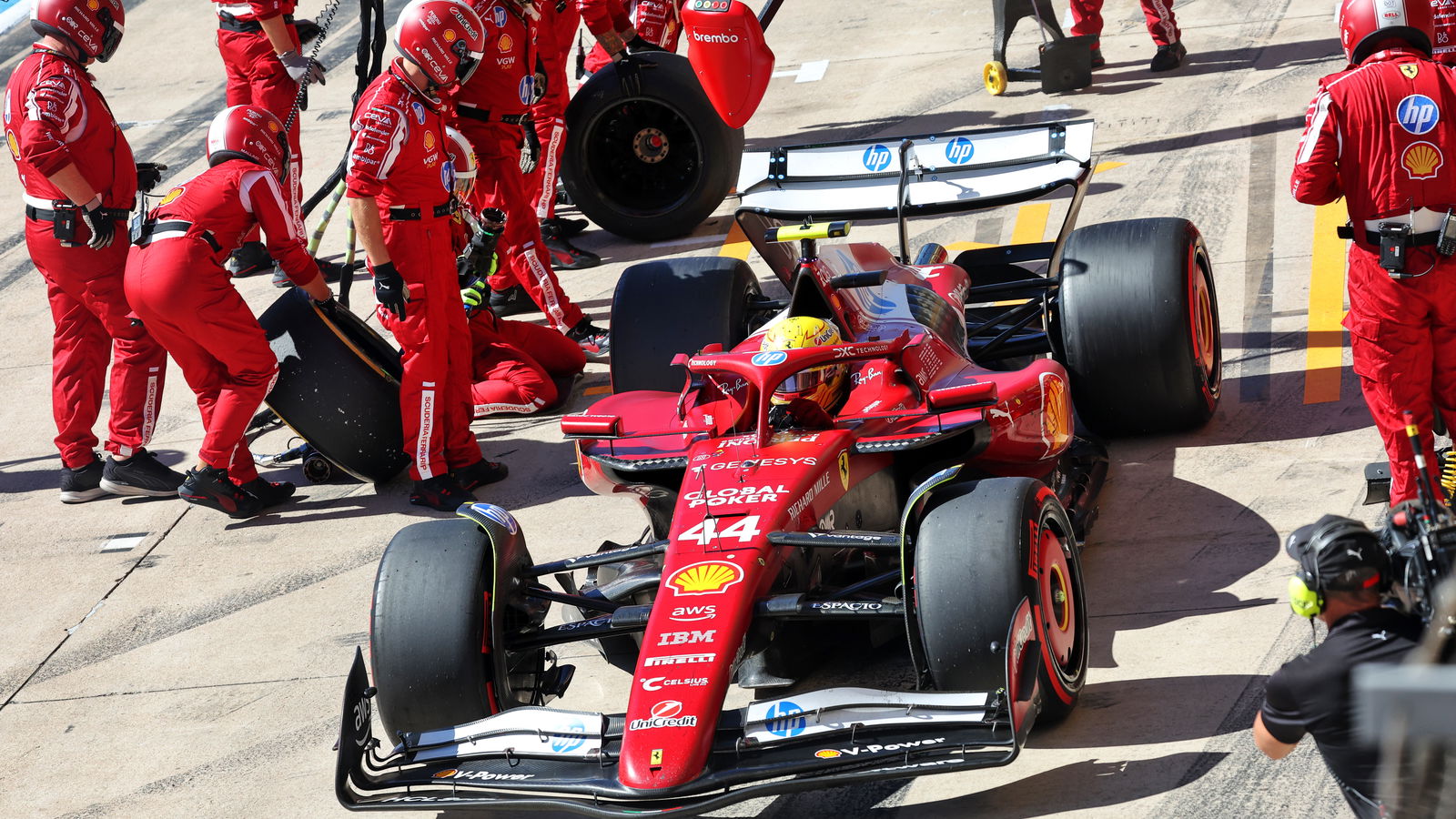
The Three Scenarios: Glory, Failure, or Regret
As the paddock heads to Bahrain, three futures lie ahead for Lewis Hamilton and Ferrari.
Scenario One: The Code is Cracked. The firmware updates work. The clipping issues vanish. The steel engine’s thermal resilience becomes a weapon, allowing Ferrari to run leaner and faster than anyone else. Hamilton finds his rhythm, and the SF26 becomes the chariot for the greatest comeback in motorsport history.
Scenario Two: The Fatal Flaw. The energy recovery issues persist. The sidepod upgrades don’t correlate with the wind tunnel data. Ferrari enters Melbourne with a car that is fast over one lap but helpless in a race. Hamilton spends the season watching gearboxes fail and batteries die, wondering if he made the biggest mistake of his career.
Scenario Three: The Mercedes Revenge. While Ferrari gambles on physics, Mercedes’ conservative approach pays off. George Russell and Kimi Antonelli rack up podiums while the red cars retire. By Monaco, the dream is over, and the Tifosi are left with another year of “what could have been.”
Ferrari has built a car that could dominate or detonate. In 2026, the hierarchy won’t be dictated by who has the most horsepower, but by who can keep the lights on the longest. Right now, Ferrari is walking into the dark.