The 2026 Formula 1 season has barely cleared its throat, yet the paddock is already engulfed in a controversy so volatile it threatens to overshadow the racing before a single wheel turns in anger.
As teams arrived for pre-season testing, anticipating a fresh start under the new regulatory era, a familiar and unsettling fear began to ripple through the garages. The subject? A whispers-turned-shouting-match regarding the Mercedes power unit and a potential loophole that could hand the Silver Arrows an unassailable advantage.
For fans and insiders alike, the atmosphere is thick with déjà vu. The ghost of 2014—the year Mercedes nailed the hybrid turbo regulations while others faltered—looms large.
That era defined a decade of the sport, and the terrified reaction from rival manufacturers like Ferrari, Honda, and Audi suggests they believe history is on the verge of repeating itself. But this isn’t just about a team doing a better job; it is a complex philosophical war about what constitutes “legal” in the hyper-competitive world of Formula 1.
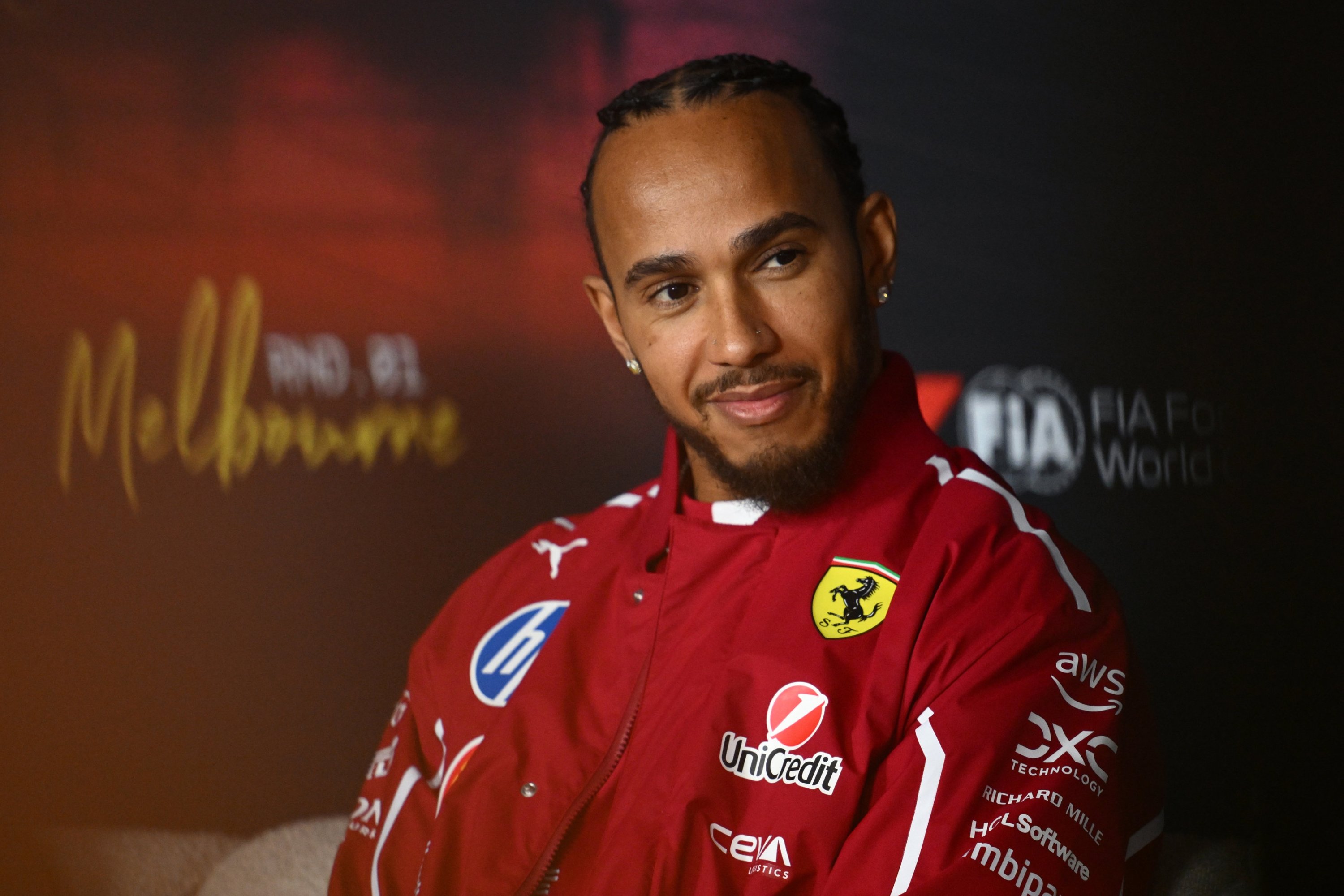
The Heart of the Storm: The 16:1 Compression Limit
To understand why team principals are losing sleep, one must dive into the gritty technical details of the new 2026 power unit regulations. The FIA, in an attempt to level the playing field and control costs, introduced a strict cap on the engine’s compression ratio, setting it at 16:1.
In lay terms, the compression ratio is the degree to which the fuel and air mixture is squeezed inside the cylinder before ignition. The tighter the squeeze, the bigger the bang, and consequently, the more power is delivered to the wheels. By capping this at 16:1, the rulemakers intended to prevent an arms race where one manufacturer could spend millions to achieve significantly higher efficiency than the rest.
However, the controversy lies not in the limit itself, but in how it is policed. The regulations stipulate that the compression ratio is measured when the engine is cold—essentially at ambient room temperature. This static inspection is the standard by which legality is judged. And it is precisely here, in the gap between a cold garage and a hot racetrack, that Mercedes (and potentially Red Bull via their Ford partnership) are accused of striking gold.
The “Shape-Shifting” Engine Trick
The allegation rocking the paddock is that Mercedes engineers have utilized advanced, specialized metals for internal engine components. These materials are designed to possess high thermal expansion properties. When the car is sitting in the garage for an FIA inspection, the engine is cold, the components are contracted, and the compression ratio sits perfectly within the legal 16:1 limit. The car is deemed legal.
But once the engine is fired up and subjected to the extreme heat and stress of racing conditions, those materials expand. This expansion effectively shrinks the volume of the combustion chamber, driving the compression ratio up significantly—rumors suggest as high as 18:1.
The difference between 16:1 and 18:1 might sound negligible to the uninitiated, but in the precision world of Formula 1, it is a chasm. Estimates place the advantage at around 15 horsepower. Over the course of a lap, that extra grunt could translate to a gain of up to four-tenths of a second. In a sport where pole positions are often decided by thousandths, a four-tenth advantage is not just a gap; it is a different league. It is the difference between fighting in the pack and disappearing into the distance.

The “Spirit of the Rules” Defense
The reaction from rival camps has been swift and vitriolic. Ferrari, along with new entrants Audi and returning giants Honda, are reportedly furious. Their argument is less about the text of the rulebook and more about its intent. They contend that the regulation was clearly designed to cap performance at a 16:1 ratio at all times. By engineering a way to bypass this limit during operation, they argue Mercedes is violating the spirit of the sport.
This brings us to one of the oldest debates in racing: Is it cheating, or is it genius? Formula 1 history is paved with examples of teams reading the rules and finding what isn’t written. If the rule says “measured when cold,” and the car passes that test, technically, it is legal. Mercedes’ defenders would argue that designing for thermal expansion is simply brilliant engineering—the kind of ingenuity F1 is supposed to celebrate.
However, the opponents argue that this specific loophole destabilizes the entire competitive balance the 2026 reset was supposed to ensure. They fear a season—or even an era—where the championship is decided by a technical trick rather than driver skill or overall car design.
The Political Deadlock
The solution seems simple on paper: change the testing procedure. Rivals have proposed installing sensors inside the combustion chamber to monitor the ratio in real-time while the car is on track. If it exceeds 16:1, it’s illegal.
But in the bureaucratic web of Formula 1, nothing is simple. Changing a technical regulation this close to the start of the season requires unanimous agreement from all teams. Naturally, Mercedes and any other teams benefiting from this design are unlikely to vote against their own advantage. This leaves the FIA in an agonizing bind. If they step in and force a change without a vote, they risk legal action and accusations of interfering with fair competition. If they do nothing, they risk a boring, one-sided season that could turn fans away.

Evidence on the Asphalt
While the lawyers and engineers argue in meeting rooms, the cars have taken to the track, and the visual evidence is doing little to quell the fears of the competition.
The new Mercedes W17 has hit the ground running with an ominous level of competence. In the first days of testing, the car did not look like a prototype struggling with new technology. It looked polished, poised, and frighteningly reliable. Drivers George Russell and rookie sensation Kimi Antonelli racked up an impressive 149 laps on the opening day alone.
For context, during the last major regulation change in 2014, cars were breaking down left and right. Seeing a brand-new machine run almost two race distances without a hiccup suggests that Mercedes isn’t just ready; they are comfortable. George Russell’s comments only added fuel to the fire. He described the car as feeling “better than the simulator” and noted its exceptional drivability—a trait that usually takes months to refine with a new engine.
Russell also clocked the second-fastest time, but it was his observation that the car was “probably the quickest he had ever seen an F1 car look” around the circuit that sent chills down the spines of his rivals. It reinforces the theory that the Mercedes package is doing exactly what it was designed to do: dominate.
A Glimmer of Hope?
Despite the doom and gloom from the Italian and German camps opposing Mercedes, there are nuances suggesting the season might not be a total write-off. Unlike 2014, where the disparity was immediately visible to the naked eye, the rest of the field seems relatively stable. Ferrari and Red Bull also posted strong lap counts, indicating that reliability is generally higher across the board than in previous eras.
Furthermore, the concept of “convergent evolution” implies that if Mercedes found this loophole, others might have too. It is entirely possible that Red Bull or even Ferrari have their own versions of the “thermal expansion trick” in development, and the current outcry is partly a game of political misdirection—a classic F1 tactic of accusing your enemy of what you are also doing, just to see if they get penalized.
The Verdict
As we barrel toward the first race, the “Cold Engine Scandal” serves as a stark reminder that Formula 1 is never just about who drives the fastest. It is a high-stakes game of poker played with engineering manuals and legal briefs.
Whether the FIA finds a way to close the loophole or allows the innovation to stand will define the narrative of 2026. If Mercedes is allowed to keep their advantage, we may be witnessing the dawn of a new dynasty. If they are reined in, the fight could be the closest we’ve seen in years. One thing is certain: the war for the 2026 championship has already begun, and the first shots were fired not on the track, but in the dark corners of the rulebook.