Formula 1 is a sport built on the foundation of evolution, but every so often, it undergoes a revolution so profound that it effectively hits the “reset” button on the entire competitive order.
As we approach 2026, the sport is standing on the precipice of its most significant technical transformation in decades. This isn’t just about a new wing or a slightly different engine; it is a total reimagining of what a Grand Prix car is and how a driver must command it.
In 2026, the rules won’t just change the cars—they will change the very nature of racing itself, potentially toppling current dynasties and paving the way for a new era of dominance.
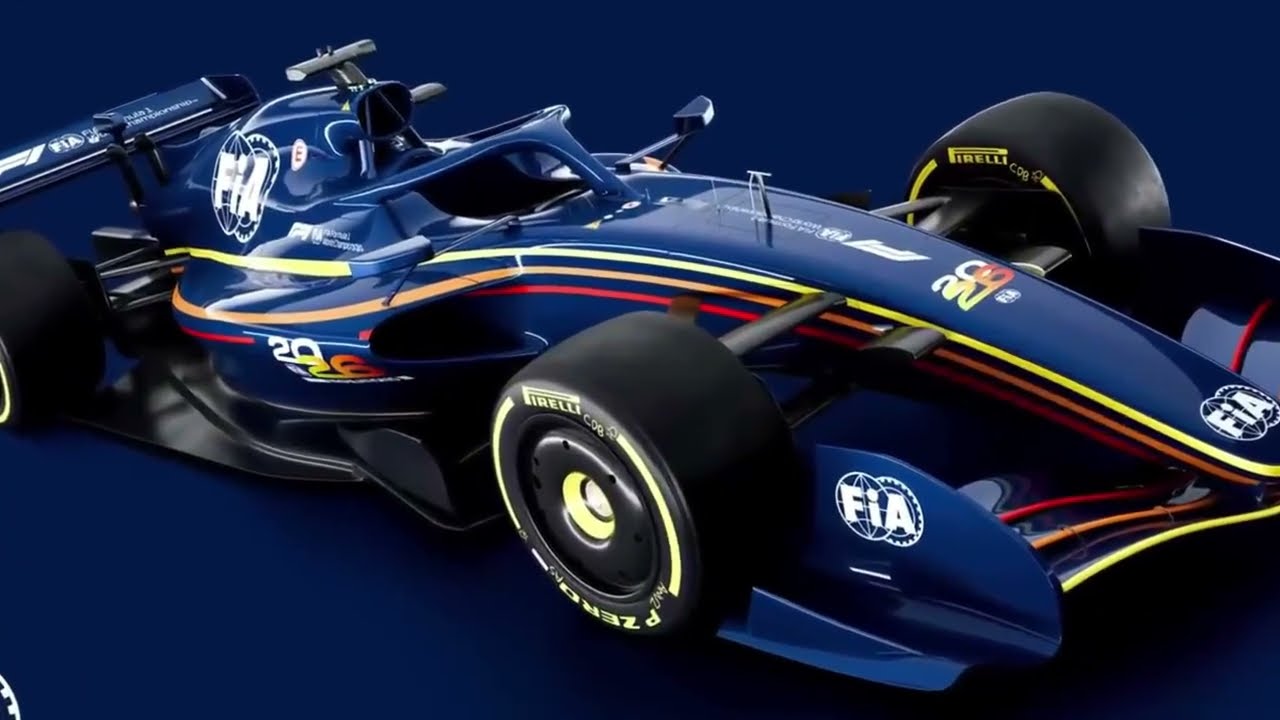
The core of the 2026 revolution lies in a massive shift toward electrical power. For the first time in history, nearly 50% of a car’s total power output will be generated by hybrid energy systems rather than the internal combustion engine. This isn’t just a technical curiosity; it’s a strategic game-changer. Energy deployment will become the most critical factor in race-day performance. Drivers and engineers will no longer just be managing tire wear; they will be playing a high-stakes game of “energy chess,” balancing battery usage and recovery throughout every single lap. Use too much power on the straight, and you’ll be a sitting duck in the final sector. This increased complexity will favor the most intelligent and adaptable drivers—those who can manage a complex technical system while traveling at 200 miles per hour.
Parallel to this engine overhaul is a radical departure in aerodynamic philosophy. The 2026 regulations are set to reduce total downforce, making the cars significantly more “nervous” and sensitive to driver input. To compensate for the loss of grip, F1 is introducing active aerodynamics as a standard feature. Drivers will be able to switch between high-downforce “cornering modes” and low-drag “straight-line modes” on the fly. This effectively means that instead of driving one car, a pilot is managing multiple car configurations every lap. The physical and mental demand of constantly toggling these modes will make driver skill more visible than it has been in years, rewarding those with the precision to handle a car that is constantly changing its aerodynamic profile.
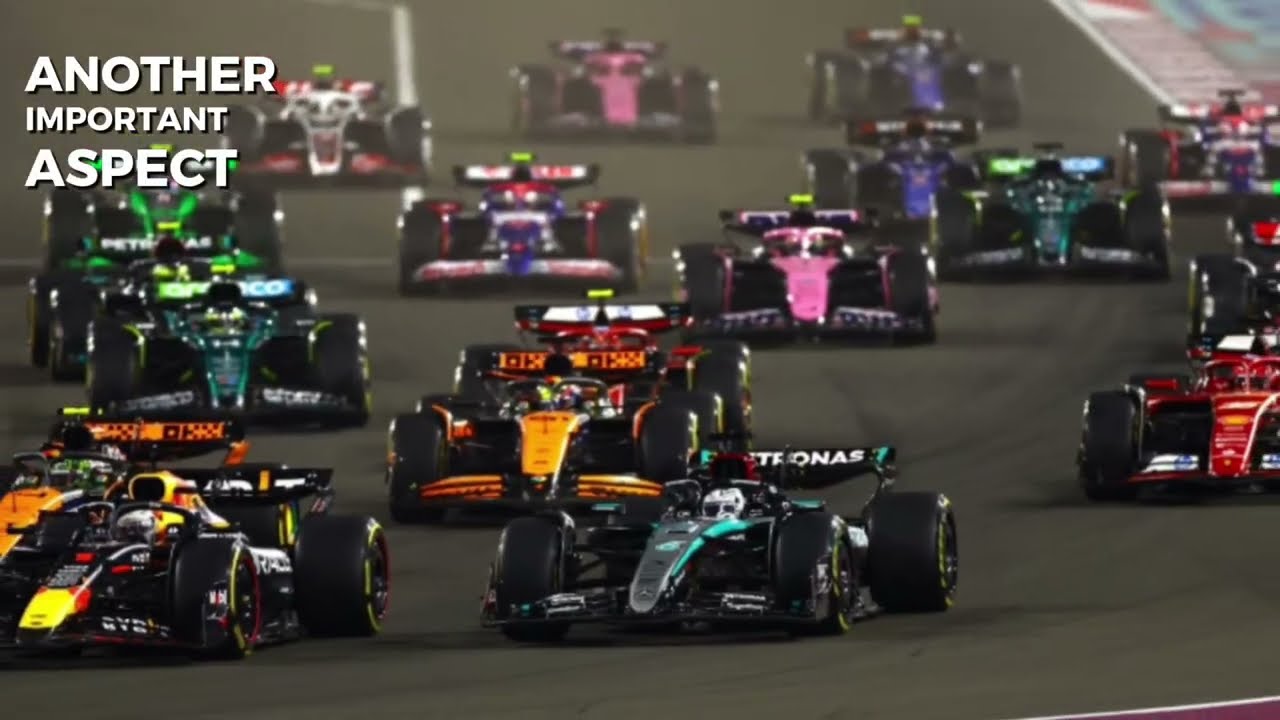
History tells us that during these “Great Resets,” the teams that interpret the regulations correctly from day one can build an advantage that lasts for a generation. We saw it in 2014 when Mercedes unlocked the secrets of the hybrid era and dominated for nearly a decade. In 2026, every team—from the giants at the front to the scrappy midfielders—is starting from a blank sheet of paper. This creates a terrifying “sink or swim” moment. A single miscalculation in the packaging of the new power unit or a flawed interpretation of the active aero rules could leave a team stranded in the midfield for years, with the budget cap making it harder than ever to “spend your way out” of a mistake.
For the fans, the 2026 era promises a return to more “natural” racing. By reducing the reliance on artificial overtaking aids like the current DRS and focusing on aerodynamic efficiency, the new rules aim to make passing a product of driver timing, positioning, and energy management. It’s a vision of F1 that is more technical, more unpredictable, and more demanding than anything we’ve seen before.
As the teams transition into this unknown territory, the air in the paddock is thick with both excitement and anxiety. New manufacturers are entering the fray, existing partnerships are being tested, and engineers are working around the clock to find the “silver bullet” that will define the next decade of the sport. One thing is certain: when the lights go out for the first race of 2026, we won’t just be watching a new season; we will be witnessing the birth of a completely different version of Formula 1. The question is no longer who is fast today, but who has the vision to be the master of tomorrow.
