The roar of a Formula 1 engine is the sound of pure, unadulterated technological aggression. Yet, for all its history, the sport is never static. It is a constantly evolving battleground, defined by the fine print of its technical regulations.
Now, F1 stands on the precipice of what could be its most consequential transformation since the introduction of the hybrid power unit. The upcoming season is not just bringing a tweak; it’s initiating a full-scale, ground-up reset designed to make the cars more agile, the racing more strategic, and the drivers—more important than ever before.
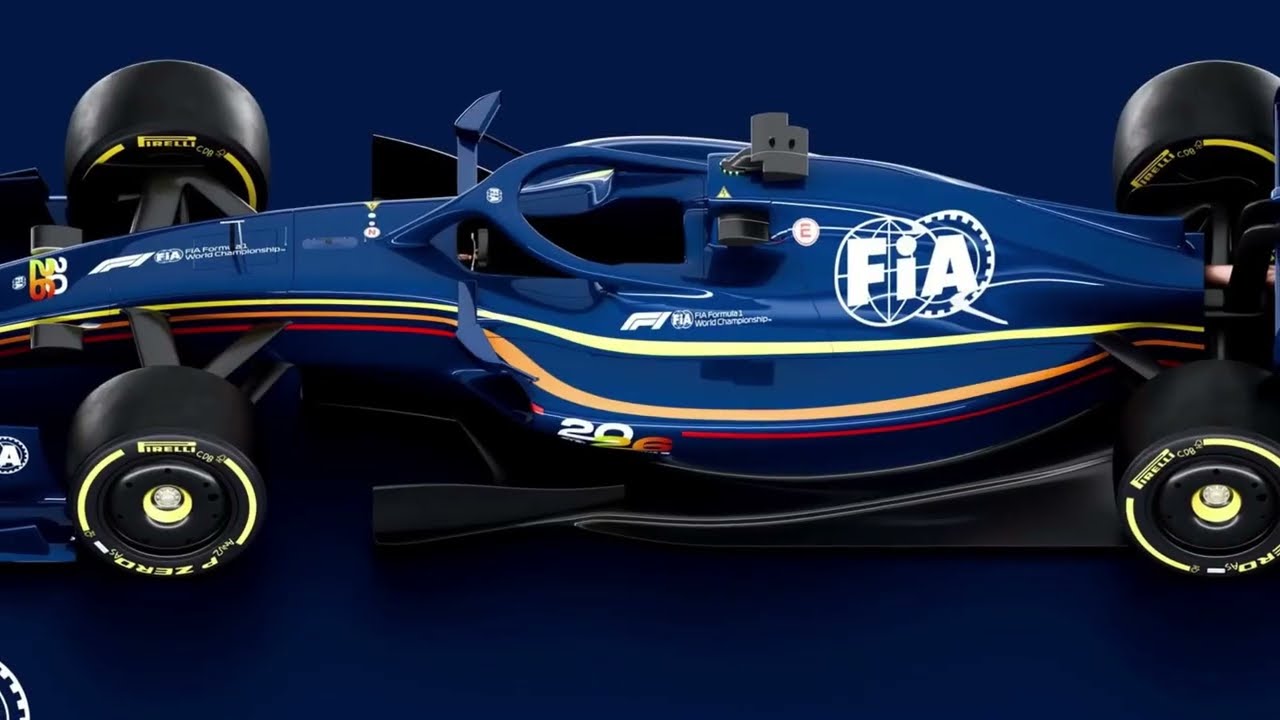
Formula 1’s governing body, the FIA, has waved a revolutionary banner, decreeing that the new generation of cars will be smaller, lighter, and crucially, equipped with technologies that mandate an entirely new philosophy of driving and engineering.
This is a technical earthquake, and the tremors are already being felt across the garages of every top team. The question isn’t whether the rules will change the sport, but how violently the established order will be shaken up.
The New Silhouette: Lighter, Smaller, and Sculpted for Battle
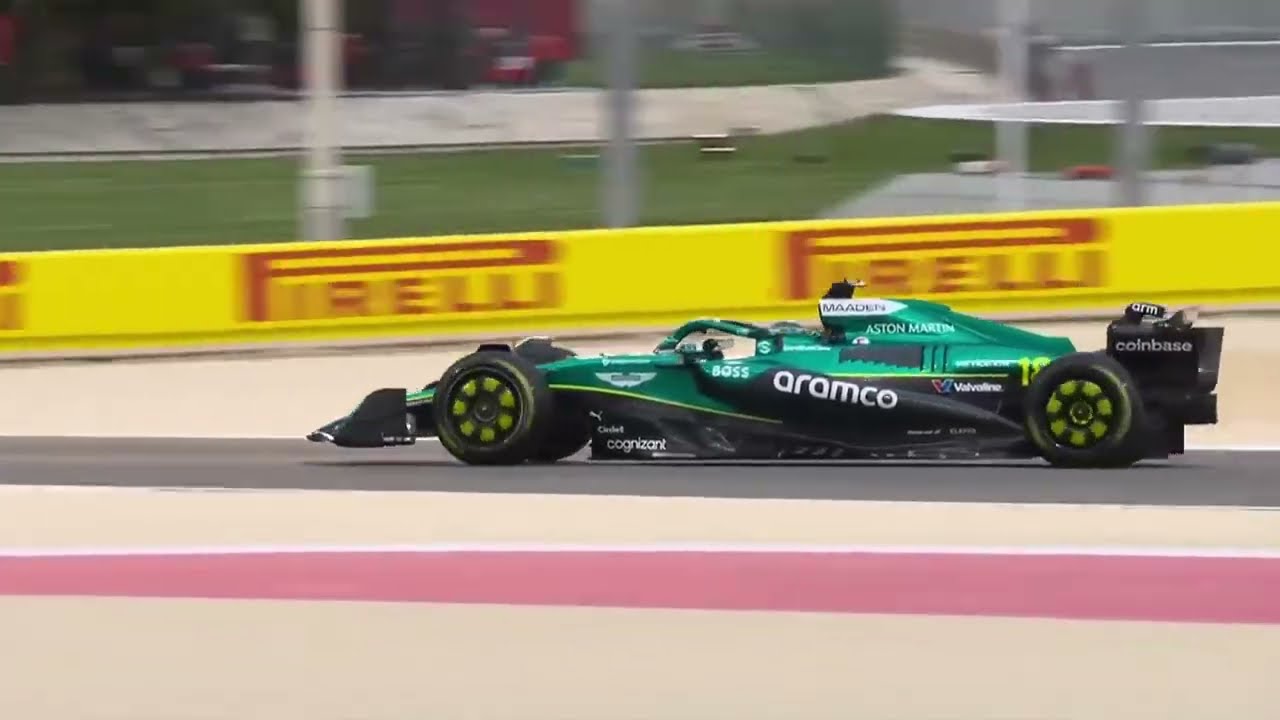
In the world of Formula 1, weight is the enemy. Every gram shaved off a car translates into better kinetic energy management, quicker direction changes, and ultimately, faster lap times. For years, the cars have steadily grown heavier and bulkier, partly due to safety features and the complex hybrid systems. The new regulations aggressively reverse this trend.
The new cars will see a significant 30-kilogram weight reduction, bringing the minimum weight down to a far more nimble 768 kilograms. This might sound like a marginal difference to an outsider, but in the finely calibrated realm of F1, it is a monumental shift. A lighter car is inherently a more agile car. This means better handling through high-speed complexes, more responsive steering for surgical changes of direction, and a greater overall feel of the car through the driver’s hands. This focus on reduced mass is inextricably linked to the goal of promoting closer, more exciting wheel-to-wheel racing, as smaller dimensions should naturally facilitate more overtaking opportunities. The visual effect will be dramatic: cars that look less like land barges and more like the darting, precision-engineered machines they are meant to be. This is a return to a philosophy that champions maneuverability, encouraging drivers to truly lean on the limits of grip without the fear of managing excessive inertia.
The Active Aero Revolution: Farewell DRS, Hello Z-Mode
The most sensational change, the one that will define the look and, more importantly, the strategy of the new era, is the introduction of Active Aerodynamics. For over a decade, the Drag Reduction System (DRS)—a simple flap opened on the rear wing to reduce drag for overtaking—has been a staple of F1. In the upcoming season, DRS is history. In its place stands a sophisticated, dynamic system of movable front and rear wings that fundamentally alters how the cars interact with the air.
Drivers will now be able to choose between two distinct aerodynamic configurations: Z-mode and X-mode.
Z-mode, or the ‘high downforce’ setting, is the configuration dedicated to cornering. In this mode, the front and rear wings remain in their standard, closed position, generating maximum downforce to ensure the car is glued to the tarmac. This is the necessary setting for stability and grip through the demanding bends that test a driver’s mettle.
X-mode, conversely, is the ‘low drag’ configuration. Activated on the straights, the front and rear wings open up, dramatically reducing aerodynamic resistance. This allows the cars to achieve significantly higher top speeds, harnessing every last horsepower the engine can provide. The new rear wing will feature three movable elements, while the front wing will sport two active flaps. Crucially, these wings will work in harmony, managed by onboard systems to ensure the car remains balanced and predictable when the driver flips between the modes.
The key distinction from the old DRS is that this is not just a tool for overtaking. It is a fundamental part of the car’s setup and its constant operation. In designated zones around the track, the system will be available to all drivers at all times. This elevates the technical challenge from a simple on/off switch to a complex, strategic variable. Drivers must constantly switch between Z-mode and X-mode, seeking the perfect, precarious balance between cornering grip and straight-line velocity.
A moment of hesitation, a delayed switch, or an ill-timed deployment of the wrong mode could be disastrous, costing the driver precious tenths or even triggering a crash. This dramatically ups the strategic ante for the driver, transforming a passive overtaking aid into an active element of racecraft. It is precisely this complexity that promises to separate the true elite drivers—those capable of precision and strategic foresight under pressure—from the rest of the grid.
The Power Unit Paradigm Shift: 50/50 and the Push-to-Pass Gambit
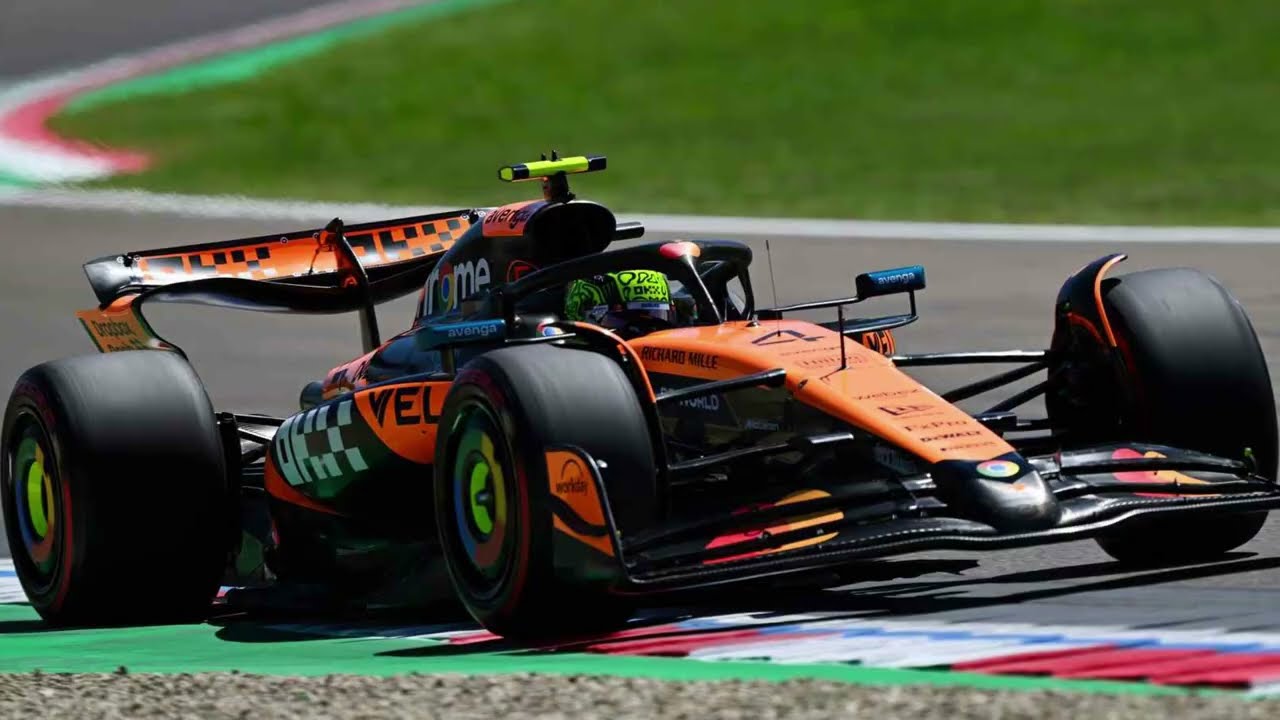
Under the skin of the new machines lies a power unit that embodies F1’s commitment to relevance and sustainability, albeit with a fresh dose of aggressive performance. While the engine remains a 1.6-liter V6 turbo, the distribution of power has been revolutionized. The power split between the Internal Combustion Engine (ICE) and the electric components will now be 50/50. This signifies a nearly 300% increase in electrical power contribution, a massive shift toward electrification that ensures F1 remains at the cutting edge of automotive technology.
To facilitate this focus and reduce complexity, the Motor Generator Unit – Heat (MGU-H), which recovered energy from exhaust gases, will be removed entirely. This technical simplification, alongside the balanced power split, has acted as a gravitational pull for new manufacturers. The confidence in the new regulations is underscored by the arrival of giants and the establishment of new engine programs. More manufacturers mean more money, more innovation, and a guarantee of fierce, high-stakes competition.
However, the change also birthed a new overtaking mechanism to complement the active aero: a Push-to-Pass system based on a manual MGUK override.
In a clever design to make the leading car vulnerable, its energy deployment from the electric motor will begin to taper off after it reaches 290 km/h, dropping to zero at 355 km/h. The following car, in contrast, gets a deployable MGUK override, providing a massive 350kW (approximately 470 horsepower) burst of extra power up to 337 km/h.
This power is not automatically controlled by the track’s detection zones; it is entirely driver-activated and deployable at will on that specific lap. This injects a huge, unpredictable layer of strategy into an overtake. Drivers must decide: Will they use the boost early to close the gap before the corner? Will they save it for a dramatic lunge at the end of the straight? Will they even use it defensively? This highly strategic, driver-focused approach promises to deliver some of the most thrilling and complex on-track battles the sport has seen in years.
The Ultimate Test of Skill and the Looming Shakeup
The immediate consequence of such a sweeping overhaul is a predictable, but temporary, dip in outright performance. Initially, the new cars are expected to be around one to two seconds slower per lap than their predecessors. The FIA has been clear that this is intentional. At the start of every new regulation cycle, the technological slate is wiped clean, and teams must spend the subsequent seasons developing and innovating to claw back that lost performance.
But slower does not mean easier. In fact, it means the opposite. The combination of significantly lower downforce, due to the new aero philosophy, coupled with the massive increase in instantly deployable electrical power, will make the new machines a “real handful” to drive. Drivers will be forced to showcase their absolute best, balancing a nervous, power-happy chassis through the corners and managing the complex dynamics of the active wings and the push-to-pass feature. This will be a genuine test of skill, bravery, and technical mastery.
For the sport itself, the implications are staggering. The new regulations represent a “complete reset”. The established hierarchy, the dominance of current champions, and the long-held expectations about team performance are all now under threat. The teams and drivers who can most quickly comprehend, adapt to, and exploit the physics and strategy of the new active aerodynamics and the 50/50 power unit will gain a potentially massive advantage.
We could see a dramatic shakeup of the pecking order. A team currently languishing in the midfield could suddenly find themselves fighting for podiums, and a driver who has been stuck in relative obscurity could finally have the machinery to fight for wins and championships. The excitement is already palpable, driven by the understanding that the upcoming season is not just another season; it is the beginning of a new era for Formula 1, one promising a high-wire act of strategic genius and raw driving talent. The wild ride is about to begin.
