The engines are cold. The tracks are empty. The grandstands are silent. Yet, the 2026 Formula 1 season is already engulfed in flames, fueled by a controversy so explosive it threatens to decide the championship before the first car even leaves the garage. Deep within the secretive walls of the F1 paddock, a single word is being whispered with a mix of reverence and terror: Mercedes.
According to multiple high-level sources, the German manufacturer—and potentially their arch-rival Red Bull—has been caught utilizing a technological innovation that rivals are calling a “legal cheat.” This isn’t a simple software loophole or a flexible wing that bends in the wind.
This is something far more fundamental, buried deep within the heart of the power unit itself. If the rumors are true, the 2026 regulations, designed to level the playing field, have been shattered by a stroke of engineering genius that skirts the very edge of legality.

The “Spirit” vs. The “Letter” of the Law
To understand the magnitude of this panic, one must first look at the rulebook. The 2026 technical regulations were supposed to be the great equalizer. A key pillar of these new rules was a strict limit on the engine’s compression ratio. In previous eras, teams could run compression ratios as high as 18.1. For 2026, to control costs and assist new manufacturers like Audi in entering the sport safely, the FIA slashed this limit down to 16.1.
On paper, the rule is clear. A lower compression ratio generally means less power, but it keeps the engines reliable and cheaper to build. It was a constraint everyone agreed to. Or so we thought.
Sources now claim that Mercedes has developed a power unit that adheres perfectly to the 16.1 limit when measured in the garage. When the engine is cold and stationary—the exact conditions under which the FIA conducts its scrutineering checks—it is 100% legal. However, once that engine fires up and reaches race temperature, the physics of the situation change dramatically.
Through the use of exotic materials and thermal expansion properties, Mercedes has reportedly created connecting rods that expand significantly more than the surrounding engine block when heated. As the temperature rises, these rods elongate, pushing the piston higher into the cylinder. This shrinks the combustion chamber volume and physically increases the compression ratio.
The result? An engine that transforms from a legal 16.1 compression ratio in the garage to a “banned” 18.1 compression ratio on the track. It is a shape-shifting engine, reacting to heat to unlock performance that the rules explicitly tried to outlaw.
The Unfair Advantage: Quarter of a Second for Free
In the world of Formula 1, where gaps are measured in thousandths of a second, the advantage provided by this trick is nothing short of astronomical. Engineering estimates suggest this variable compression ratio could yield an additional 10 to 15 horsepower.
To the casual observer, 15 horsepower might sound negligible. In F1, it is a lifetime. That kind of power surplus translates to roughly a quarter of a second per lap. To put that in perspective, a quarter of a second is often the difference between starting on a pole position and starting fifth. It is the difference between winning a race and struggling for a podium. And Mercedes has potentially unlocked this advantage for “free,” without compromising aerodynamics or tire wear.
This revelation has sent shockwaves through the headquarters of Ferrari, Honda, and newcomer Audi. These manufacturers, who followed the spirit of the rules and designed traditional engines, are now reportedly furious. They have formally lodged complaints with the FIA, demanding an immediate ban on this technology. Their argument is moral as much as it is technical: this technology destroys the intent of the regulations.
However, the FIA finds itself in a bind. Their official stance is painfully bureaucratic: they cannot punish a team based on speculation about what happens on the track if the static tests prove the car is legal. If the ruler says the engine is 16.1 in the garage, then, by the current letter of the law, the engine is legal.
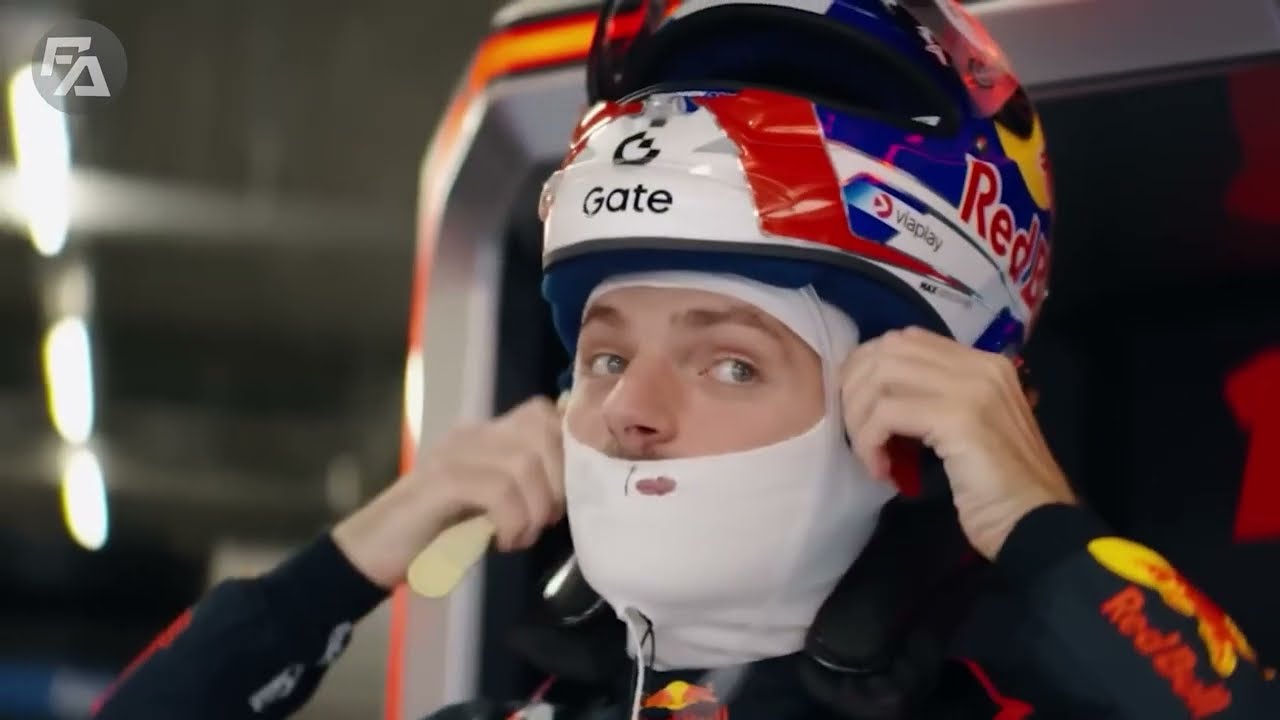
The Red Bull Connection: A Suspicious Calm
Perhaps the most unsettling aspect of this entire saga for Ferrari and Audi is the reaction of Red Bull Racing. While the other manufacturers are scrambling, holding emergency meetings, and drafting legal letters, Red Bull has remained eerily calm.
Christian Horner’s team is known for being vocal when they feel threatened. Their silence now speaks volumes. Ben Hodkinson, the boss of Red Bull Powertrains, has brushed off the controversy as “noise,” insisting their engine is legal while admitting they are operating “right at the edge” of the regulations.
Why such confidence? The answer likely lies in personnel. Over the last three years, Red Bull Powertrains has aggressively recruited talent from Mercedes High Performance Powertrains. They didn’t just hire junior staff; they poached senior engineers, designers, and technical leads—the very people who understand the Mercedes philosophy.
In Formula 1, knowledge is the most valuable currency. When engineers move, ideas move with them. It is highly probable that the concept of thermal expansion connecting rods traveled from Brixworth to Milton Keynes in the minds of defecting engineers. This has created a terrifying scenario for the rest of the grid: a two-tier championship where Mercedes and Red Bull share a “super-weapon,” leaving everyone else fighting for third place.
Why It Might Be Too Late to Stop
The terrified rivals are pinning their hopes on an emergency meeting scheduled for January 22nd, where all power unit manufacturers will sit down with the FIA. However, insiders are pessimistic about any immediate changes.
The reality of engine manufacturing is brutal. These power units are not built in a week; they are the result of years of R&D. The designs for the 2026 season are already locked in and homologated. The physical parts have been cast. To force a redesign now—asking teams to change the fundamental metallurgy of their core components—would be logistically impossible and financially ruinous.
Furthermore, banning the tech would penalize innovation. Formula 1 has always been about pushing boundaries. From Brawn GP’s “Double Diffuser” in 2009 to Mercedes’ DAS system, the sport has a long history of teams finding genius loopholes. The FIA often allows these innovations to run for a season before closing the loophole, rewarding the team that was smart enough to find it first.
If the FIA sticks to precedent, Mercedes and Red Bull will be allowed to keep their advantage for the 2026 season.
The Political Checkmate
Even if the FIA wanted to act, the politics of the paddock are stacked against a ban. Any rule change at this stage would likely require a majority vote, and the “Mercedes-Red Bull alliance” is a formidable voting block.
Mercedes supplies their own team, McLaren, and Williams. Red Bull supplies themselves and the Racing Bulls (formerly AlphaTauri). Together, they represent a massive chunk of the grid. None of these teams will vote to ban an engine that gives them a competitive advantage. Ferrari, Audi, and Honda simply do not have the numbers to force a change.
A Season Decided in the Simulator?
The 2026 regulations include a safety net known as the “Additional Development Opportunity” system. This allows struggling manufacturers to receive extra dyno hours and budget cap allowances if they fall too far behind. But this system is reactive, not proactive.
By the time the FIA gathers enough data to prove Ferrari or Audi are at a disadvantage, Mercedes and Red Bull could have already built an insurmountable points lead. Extra money and testing time cannot instantly replicate a fundamental design philosophy that took years to perfect.
As we look toward the 2026 season, the narrative has shifted from “Who will build the best car?” to “Who found the best loophole?” It serves as a stark reminder that in Formula 1, the race isn’t just won on the asphalt on Sunday. It is won in the design offices, the simulation labs, and the gray areas of a rulebook, years before the lights ever go out.
For now, the paddock holds its breath. Unless the FIA takes unprecedented action, the 2026 World Championship may have just been won by the team that figured out how to make metal expand just a fraction of a millimeter more than everyone else.
