The Formula 1 paddock has always been a place of secrets, whispered rumors, and technical gamesmanship, but as the sport prepares for the landmark 2026 season, the atmosphere has shifted from mere competition to genuine, cold-blooded anxiety.
The introduction of the new power unit regulations—a seismic shift toward a 50/50 split between internal combustion and electrical power—was supposed to level the playing field. Instead, as the teams packed up their gear after the Bahrain tests and headed toward the Australian Grand Prix, a startling reality began to set in. Ferrari has found something. They have a secret advantage that is so fundamental to the car’s architecture that rivals are reportedly terrified of what will happen when the lights go out at Albert Park.
At the heart of this brewing storm is the most basic yet most critical phase of any Grand Prix: the race start. Under the previous regulations, the MGU-H (Motor Generator Unit – Heat) acted as a silent wizard, using exhaust energy to keep the turbocharger spooled up even when the driver wasn’t on the throttle. This ensured instantaneous power delivery and a smooth, predictable launch.
But for 2026, the MGU-H has been banished in the name of cost-cutting and simplicity. Its absence has turned the race start into a high-stakes engineering nightmare, and while most teams are still trying to figure out how to wake up their massive turbochargers, Ferrari is already disappearing into the distance.
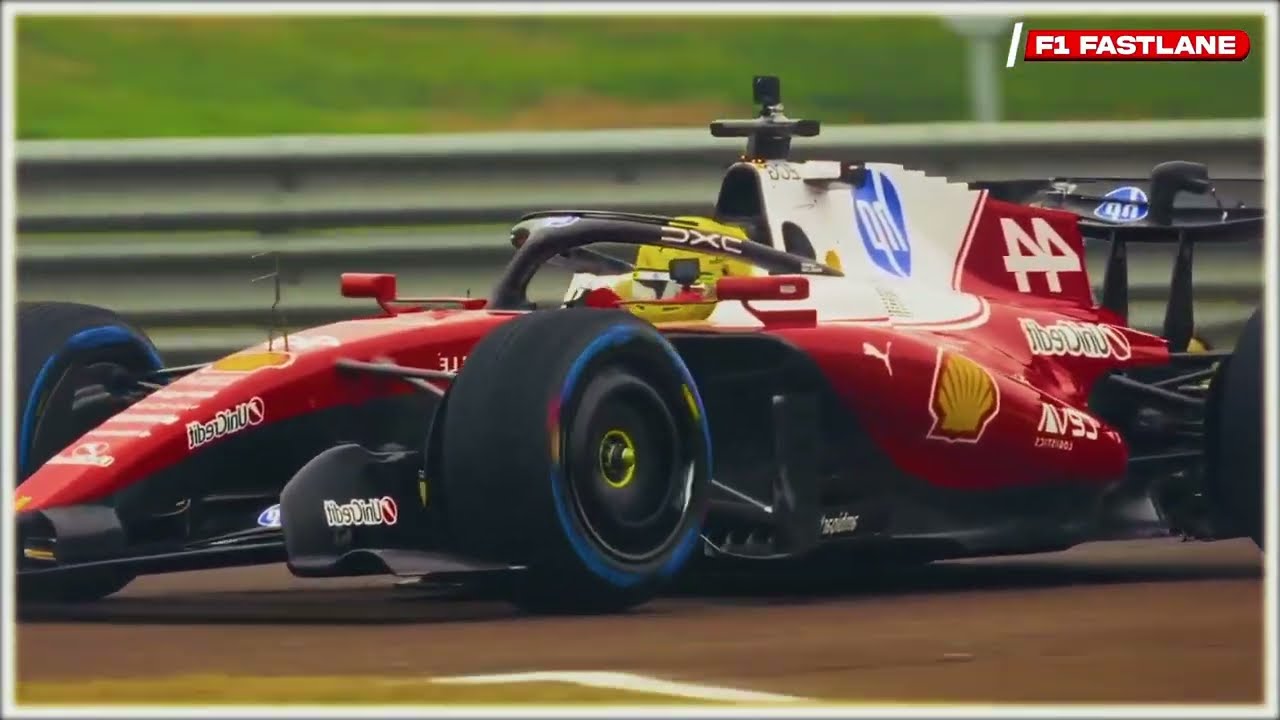
The secret, it turns out, lies in a deliberate and somewhat counter-intuitive design choice made months ago in Maranello. While the rest of the grid—led by engine giants like Mercedes and the new Red Bull-Ford partnership—opted for larger turbochargers to maximize top-end power, Ferrari went small. This wasn’t originally intended as a specialized “start-line weapon.” According to technical insiders, Team Principal Frédéric Vasseur and his engineering staff prioritized a reactive, drivable car that could accommodate a highly evolved rear aerodynamic package. The “small turbo” was a consequence of that philosophy, but it has yielded a bonus that could prove to be the most decisive factor of the early 2026 season.
During the second week of testing in Bahrain, the data began to paint a grim picture for Ferrari’s opponents. While the Audi-powered cars were seen struggling almost to the point of stalling in the pit lane, and Mercedes drivers were experiencing “interminable seconds” of lag before their cars found traction, the Ferrari SF26 and its customer teams, particularly Haas, were launching with surgical precision. George Russell, usually one of the most composed figures on the grid, didn’t mince words after his practice starts: “These were worse than my worst starts in Formula 1.” When a driver of Russell’s caliber expresses that level of alarm, you know the problem isn’t just a software glitch—it’s a fundamental hardware discrepancy.
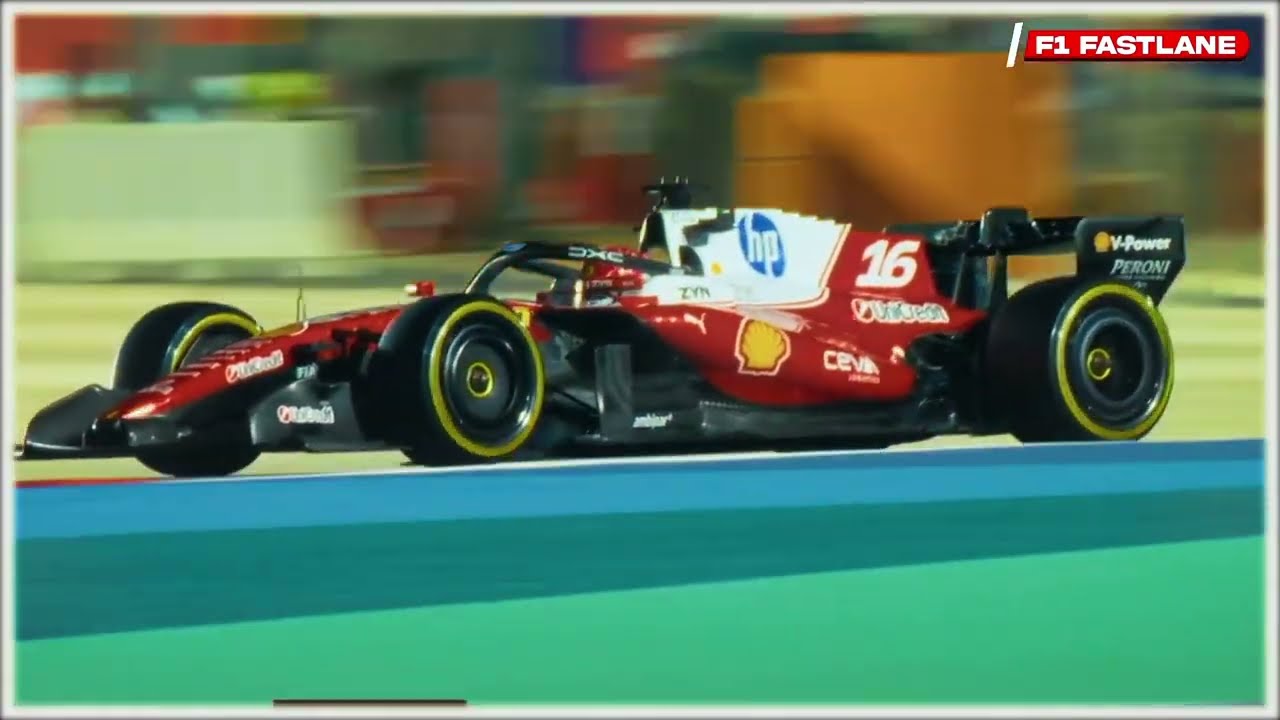
The technical breakdown of Ferrari’s advantage is fascinating. Because their turbocharger is physically smaller, it has significantly lower inertia. It requires less energy to reach its optimal operating speed. In the critical window between 0.8 and 1.2 seconds after the clutch is released, Ferrari’s turbo pressure remains remarkably stable. This allows for a linear, clean climb in engine revolutions without the violent “overshoot” or massive wheel spin that has plagued Red Bull and Mercedes. While rivals are fighting a car that either bogs down or lights up its rear tires in a cloud of smoke, Ferrari drivers are able to maintain engine revs above 5,000 RPM with ease, translating that stability into a devastating 0-150 km/h acceleration advantage.
The situation has become so dire that the FIA has already stepped in to test emergency modifications. During testing, the governing body experimented with granting drivers an extra five seconds to prepare on the grid before the light sequence even begins. This is a clear acknowledgment that the current 2026 power units are on the verge of being a safety hazard during the standing start. If half the grid launches perfectly and the other half remains stationary or crawls away at a snail’s pace, the risk of a massive rear-end collision at the start of the Australian Grand Prix is astronomical.
Behind the scenes, the division is growing. Ferrari, now realizing the magnitude of their “accidental” masterstroke, has little interest in further rule changes that might allow their rivals to claw back the hardware deficit. They argue that they followed the regulations to the letter and shouldn’t be penalized for making a better architectural choice. Meanwhile, teams like Red Bull and Mercedes are emphasizing the safety theme, hoping for a regulatory intervention that might force a change in how the start sequence is managed.
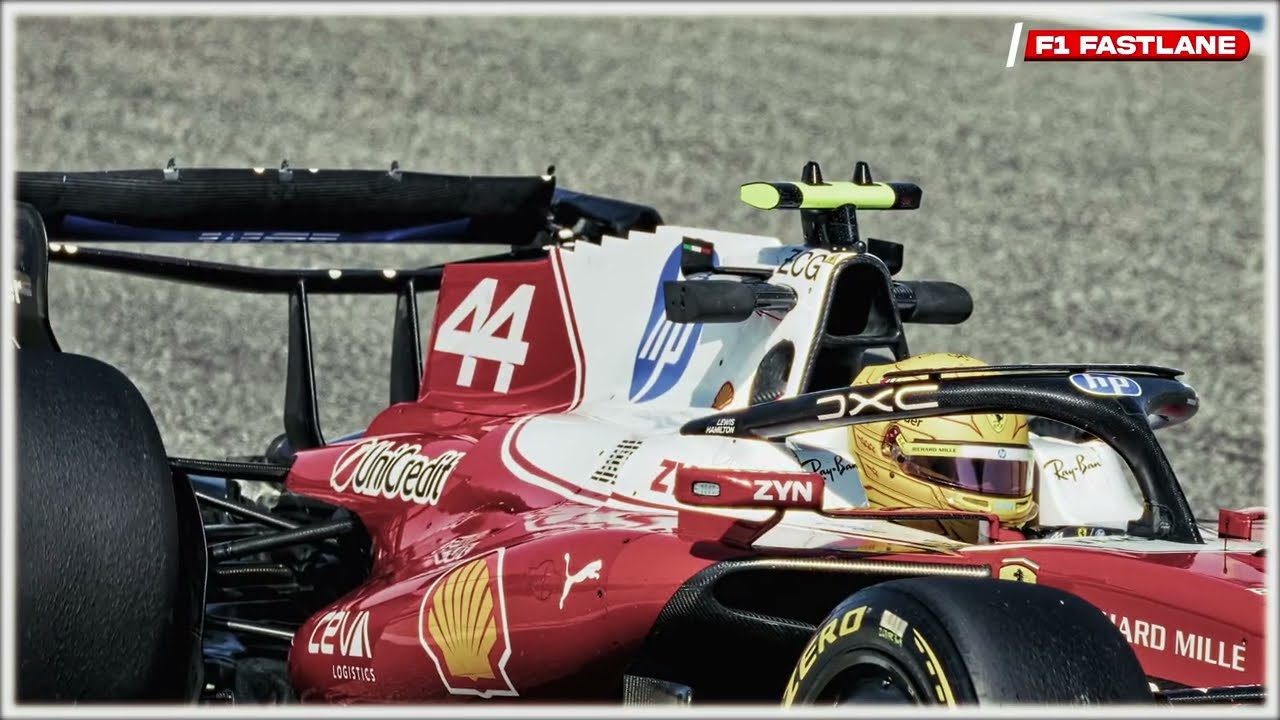
Red Bull, specifically, seems to be the supplier that has optimized its starts the least. Across the three days of testing, while others showed marginal growth, the Milton Keynes-based squad actually seemed to regress. Their cars showed excessive wheel spin even after what appeared to be an excellent initial getaway. Without the MGU-H to buffer the power delivery, the raw torque of the 2026 engines is proving difficult to tame. Even the new Audi entry has found the learning curve to be vertical, suffering from repeated anti-stall problems and interrupted start attempts that suggest their software-to-hardware synchronization is months away from being race-ready.
Mercedes, however, remains the most likely candidate to mount a recovery. While they are currently on the back foot because of their choice of a larger turbine, the engineers at Brixworth are working overtime on “software miracles.” In the modern era of Formula 1, software can often compensate for hardware shortcomings. By optimizing engine mappings, clutch control algorithms, and electrical energy deployment, Mercedes hopes to erode Ferrari’s advantage before the European leg of the season begins. We have already seen progress; by the end of the Bahrain test, both Mercedes and McLaren had managed to drag their start performance up to the level of the Haas-Ferrari cars, though they still lack the “sharpness” of the factory Ferrari squad.
As the circus moves to Melbourne, the tension is at a breaking point. The SF26 might not jump four or five cars at every single launch, but the advantage is real, it is measurable, and it is in the hands of two of the most aggressive starters on the grid: Charles Leclerc and Lewis Hamilton. If Ferrari can lock out the front row or even just qualify in the top four, their ability to control the first corner could effectively end the race before it has truly begun. In a season where track position is king due to the complex energy management required over a full lap, a three-car-length lead by the first turn is worth its weight in gold.
The Australian Grand Prix has always been a race of attrition and surprises, but 2026 adds a new layer of technical drama. Will Ferrari capitalize on their small-turbo secret and dominate the opening rounds? Or will the collective brainpower of Mercedes and Red Bull find a way to code their way out of this crisis? One thing is certain: when the five red lights go out in Melbourne, the entire world will be watching to see if the “Prancing Horse” truly has the legs to outrun the pack, or if the rest of the grid is about to be consumed by the most chaotic start in the history of the sport.