The world of Formula 1 is no stranger to the “Ferrari Hype Train,” a seasonal phenomenon where optimism from Maranello often evaporates by the first European race. However, as the 2026 season approaches, something feels fundamentally different.
It isn’t just the presence of the most successful driver in the sport’s history, Lewis Hamilton, wearing the iconic scarlet red. It is a calculated, cold, and technical reconstruction of a team that has spent 17 years—over 6,200 days—wandering in the wilderness of near-misses and organizational dysfunction.
Lewis Hamilton recently declared that Ferrari’s winning mindset is stronger than ever. Coming from a man who just endured the single worst season of his 19-year career, these words carry immense weight.
In 2025, Hamilton recorded zero podiums and was outqualified 19 to 5 by his teammate, Charles Leclerc. He described the year as a “nightmare.” Yet, as he walked through the gates of Maranello this winter, he didn’t see a team in mourning. He saw a predator waiting to strike.
The Strategy of Silence: Why 2025 Was a “Planned” Disaster
To understand Hamilton’s confidence, one must look at the “hidden” narrative of the 2025 season. While fans watched in horror as Ferrari slid to a distant fourth place in the standings, team principal Fred Vasseur had already pulled the plug. In a move that was as risky as it was visionary, Ferrari abandoned the development of their 2025 car in April, just four races into the championship.
Every available resource, every euro of the budget cap, and every hour of engineering talent was redirected toward the massive 2026 regulatory reset. While McLaren and Red Bull were locked in a grueling, resource-draining battle for the 2025 title, Ferrari’s engineers were already living in the future. This 18-month head start is a luxury rarely seen in modern F1, and it is the foundation of Hamilton’s “winning mentality” claim.
The Mercedes Exodus: Importing the DNA of Dominance
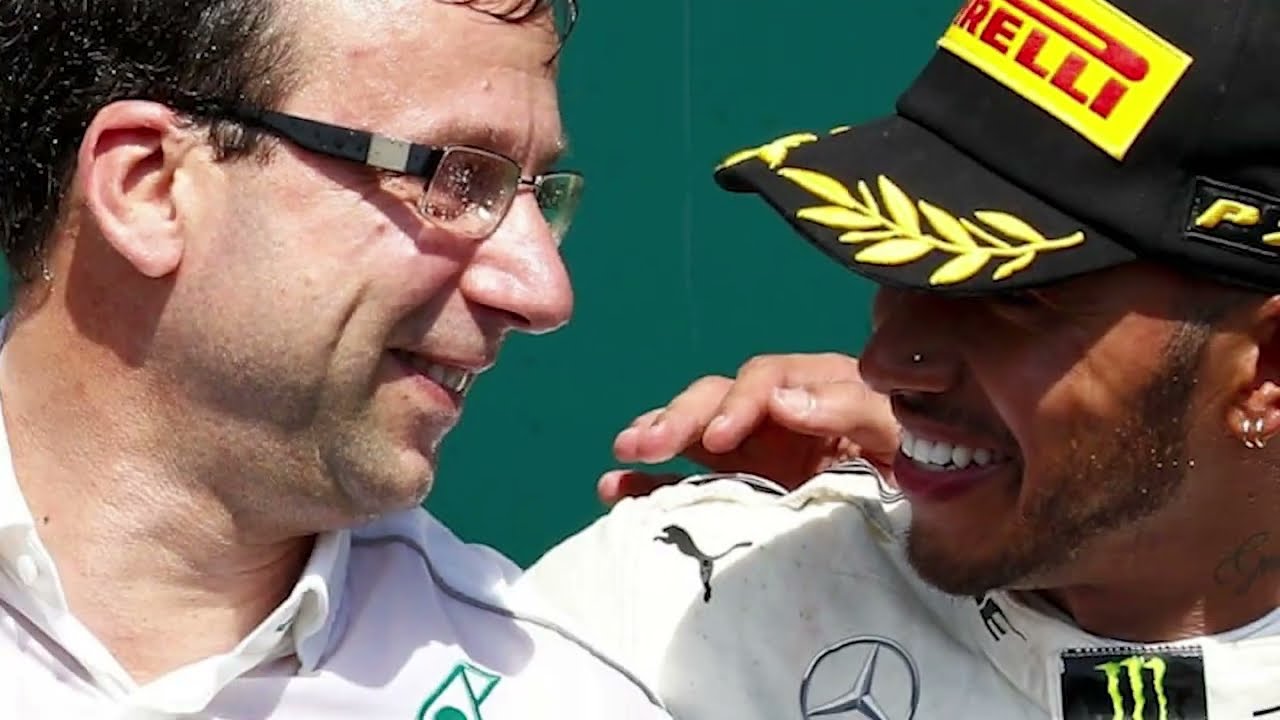
Vasseur didn’t just change the timeline; he changed the people. In a series of high-profile poaches, Ferrari has systematically dismantled the leadership of their fiercest rival: Mercedes. The arrival of Loïc Serra as Chassis Technical Director is perhaps the most significant move in Maranello in a decade. Serra spent 14 years at Mercedes, overseeing the aerodynamic and chassis development that led to eight consecutive constructors’ championships. He knows how to build a dominant car, and more importantly, he knows how to sustain that dominance.
Alongside him is Jerome D’Ambrosio, another Mercedes veteran who now serves as Deputy Team Principal. These aren’t just cosmetic hires. They represent a fundamental shift in Ferrari’s internal culture—moving away from a “fear of failure” that former champion Jenson Button famously noted, toward a structured, ruthless pursuit of performance.

Exploiting the Loophole: The 1,020-Hour Advantage
F1’s sliding scale for aerodynamic testing is designed to help the losers catch up, and Ferrari has played this system to perfection. By finishing fourth in 2025, they have been granted 1,020 wind tunnel hours for the first half of 2026. Compare this to the reigning champions, McLaren, who receive only 840. This 180-hour gap translates to roughly 48 additional wind tunnel runs and 300 more CFD (Computational Fluid Dynamics) evaluations.
When you stack this testing advantage on top of their eight-month head start, the technical math begins to look terrifying for the rest of the grid. Ferrari isn’t just hoping to be fast; they have engineered a scenario where they have more data than anyone else.
The Human Element: Hamilton, Leclerc, and the Pressure of Italy
The technical data is impressive, but F1 is a human sport. The pairing of Lewis Hamilton and Charles Leclerc brings seven world championships and over 130 race victories into a single garage. It is arguably the greatest driver lineup in the history of the sport. However, great drivers have failed at Ferrari before. Fernando Alonso and Sebastian Vettel both arrived with championship pedigrees and left with broken spirits.
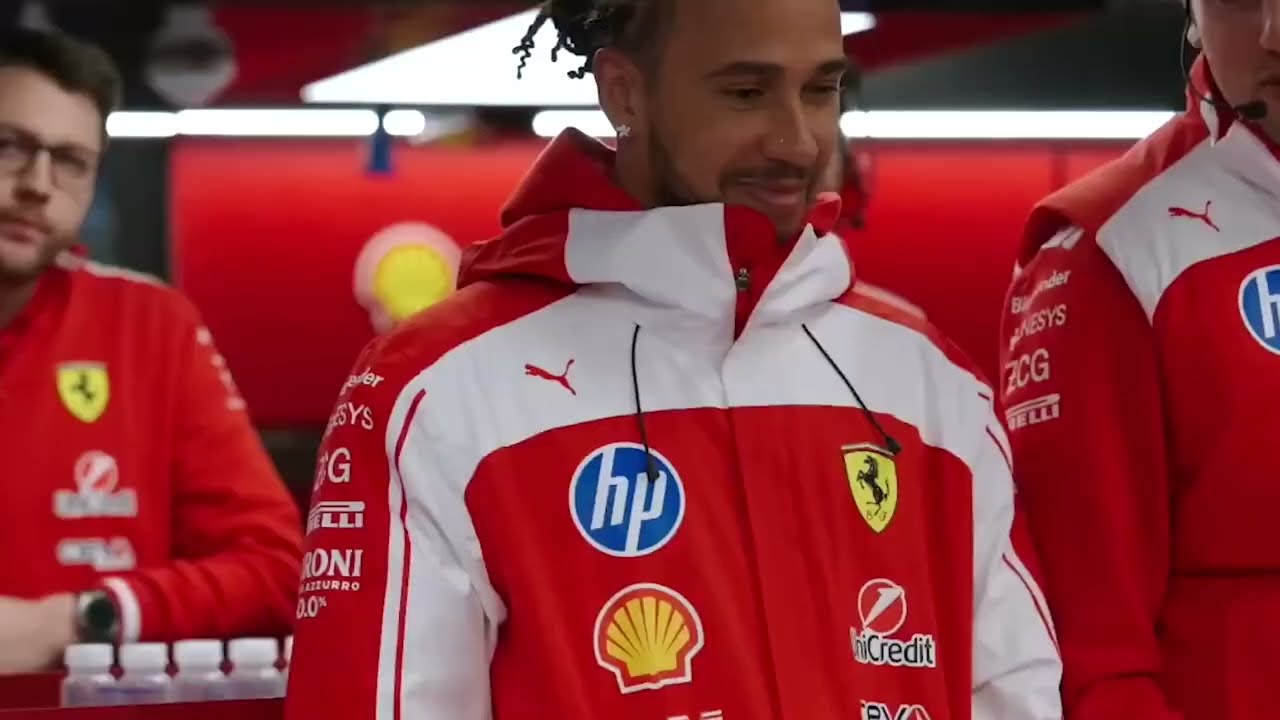
Hamilton claims the “mentality” is what has changed. He points to a new harmony within the team, a willingness to make uncomfortable decisions—such as the reassignment of long-time race engineer Riccardo Adami—and a factory-wide obsession with the 2026 regulations. During the recent Barcelona shakedown, Hamilton was seen pushing the SF26 to its absolute limits, even spinning off track as he explored the “handful” of a car that represents Ferrari’s best chance at glory in a generation.
The 6,200-Day Shadow
As the cars prepare to launch in less than a month, the shadow of history looms large. Since Kimi Räikkönen’s title in 2007, Ferrari has been a story of “what if.” Engine failures in 2022, strategy blunders in Monaco, and the infamous Hockenheim crash of 2018 are scars on the soul of the Tifosi.
But Lewis Hamilton didn’t join Ferrari to be part of a tragedy. He joined because he saw the reconstruction, the resource allocation, and the technical loophole. He saw a team that stopped caring about 2025 so they could own the next decade. If Hamilton is right, and that winning mentality has truly returned, the 17-year wait is about to end in the most spectacular way possible. The Red Revolution is no longer a dream; it is a calculated, engineered reality.