The quiet streets of the Yas Marina Circuit in Abu Dhabi, just days after the spectacle of the 2025 season finale, became the silent battleground for the future of Formula 1. While lacking the dazzling television coverage and public fanfare of a Grand Prix weekend, the final post-season testing session held an importance that far outweighed any Sunday race.
This was not merely a collection of cars circling a track; it was the clandestine beginning of the 2026 regulation cycle, an intense, driven arms race where every lap, every measurement, and every bolt of innovative engineering was a decisive strike in the contest for future supremacy.
This highly crucial test saw all ten current teams stay back to run the 2026 ‘Mule cars’—modified 2025-spec machinery designed to simulate the radically different downforce levels of the incoming rules package.
Teams weren’t just practicing; they were rewriting the rulebook on the fly, with two teams, in particular, Mercedes and Ferrari, openly demonstrating a technological leap that may grant them a considerable head start in the new era.
The Active Aerodynamics Revolution: Mercedes vs. Ferrari
The biggest and most compelling technical narrative emerged from the garages of Mercedes and Ferrari. For the first time publicly, we witnessed the testing of experimental active aerodynamic items, specifically the revolutionary movable front wing system that will be a defining feature of the all-new 2026 cars.
The new regulations mandate active aerodynamics on both the front and rear wings, designed to significantly reduce drag on the straights, making the cars lighter, faster, and more efficient. The post-season test provided teams with a rare window to develop and trial these crucial components.
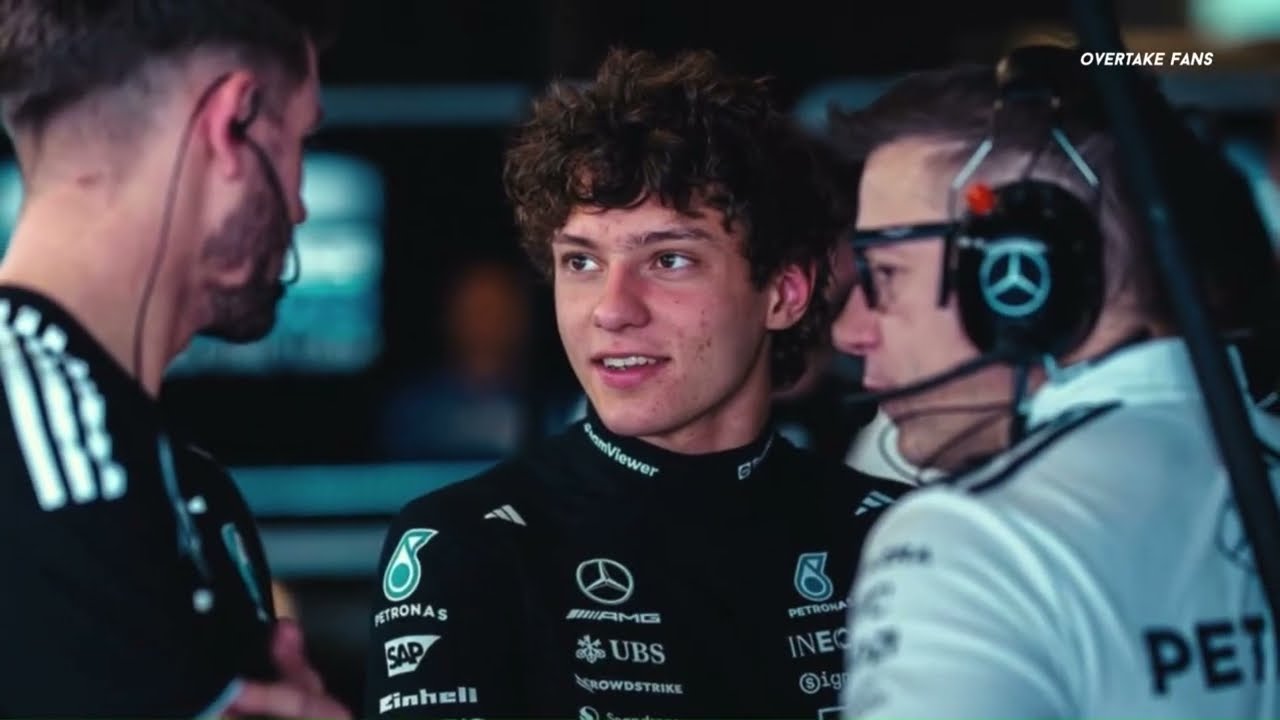
Mercedes, utilizing Kimmi Antonelli’s car, presented a design described as somewhat “rudimentary.” Their movable front wing system employed an actuation mechanism on the upper elements of the wing, visibly connected via large tubing that fed into an internal system housed within the nose cone, likely a hydraulic setup. It was a functional, if visually exposed, solution—a clear indicator of the early-stage, brute-force development characteristic of revolutionary technology.
Ferrari, however, rolled out a distinctly more refined version. The Scuderia had a valuable head start, having already developed a system used during Pirelli’s private mule car testing sessions. Their actuator was more subtle, connected by what appeared to be a sleek piece of carbon stem neatly tucked behind the wing and feeding back under the nose cone. This elegance suggested a more mature, integration-focused design philosophy, perhaps giving the Italian team an early ergonomic edge in component packaging.
Beyond the visible design differences, these prototypes handed Mercedes and Ferrari an unusual, high-speed advantage over the rest of the grid. Pirelli, in its testing protocol, imposes a mandatory 300 km/h straight-line speed limit on mule cars equipped only with the rear-wing DRS. This restriction is vital because, in current ground effect cars, opening only the rear flap leads to a disproportionate and unhelpful amount of load on the front axle. Crucially, however, when both the front and rear wings are actively backed off, as the Mercedes and Ferrari systems allow, the load is balanced out, rendering the top-speed limitation moot for Pirelli’s data gathering. This meant the two title rivals were able to gather invaluable high-speed data that other teams, running only the rear DRS, simply could not replicate, potentially cementing a vital early advantage.
Pirelli’s Paradigm Shift and Hidden Innovations
While the active aero garnered the most attention, the test was equally pivotal for Pirelli, which used the opportunity to unveil the next generation of Formula 1 rubber. The 2026 tires are noticeably narrower and smaller than their 2025 counterparts, a redesign intended not just for weight saving but, more critically, to significantly reduce drag. This is a massive engineering challenge, as the redesign inherently impacts the contact patch—the part of the tire that connects with the asphalt—and how it reacts to load and temperature variations. The data gathered from the mule cars during this test is absolutely essential for Pirelli to finalize the compound and construction of the new tires, which will fundamentally dictate vehicle performance in 2026.
Elsewhere on the track, other teams were focusing on more subtle, yet equally critical, design details. Williams, for instance, made use of their limited running allowance to test their own exposed wheel rim design, opting not to use the standard covers. Weight saving is a key objective for the new regulations, and the aerodynamics around and through the wheel rims are an area of significant, hidden performance gain. Williams’ move to test a naked rim underscores the depth of aerodynamic scrutiny being applied to every part of the 2026 car concept.
Ferrari, demonstrating an across-the-board commitment to the new era, was also testing a prototype 2026 steering wheel. Though it might seem a minor detail, the Scuderia’s design philosophy has taken a clear shift, resulting in a slimmer, lighter wheel. The most telling change lay in the front-facing controls: the lower rotary switches were halved from six to three. Fascinatingly, this change aligns the wheel’s layout partially with the philosophy Lewis Hamilton employed during his time at Mercedes, suggesting an early influence from the star driver on his new team’s cockpit ergonomics. The new wheel features a larger screen for clearer information display and a unique, wavy ‘horns’ design to shave off a few grams—a testament to the relentless pursuit of weight reduction.
The Next Generation on the Clock
Amidst the technical revelations, the post-season test served as a crucial proving ground for the next wave of F1 talent. Kimi Antonelli, driving the Mercedes mule car, proved his immense potential by completing a staggering 157 laps—the most of any driver during the session. Not only did he log incredible mileage, but he was also the fastest of all drivers running the 2026-style mule cars. While lap times are notoriously irrelevant in testing where programs differ wildly, the raw pace and mechanical sympathy demonstrated by the Italian driver in a complex development car is a powerful statement about his readiness for the sport’s pinnacle.
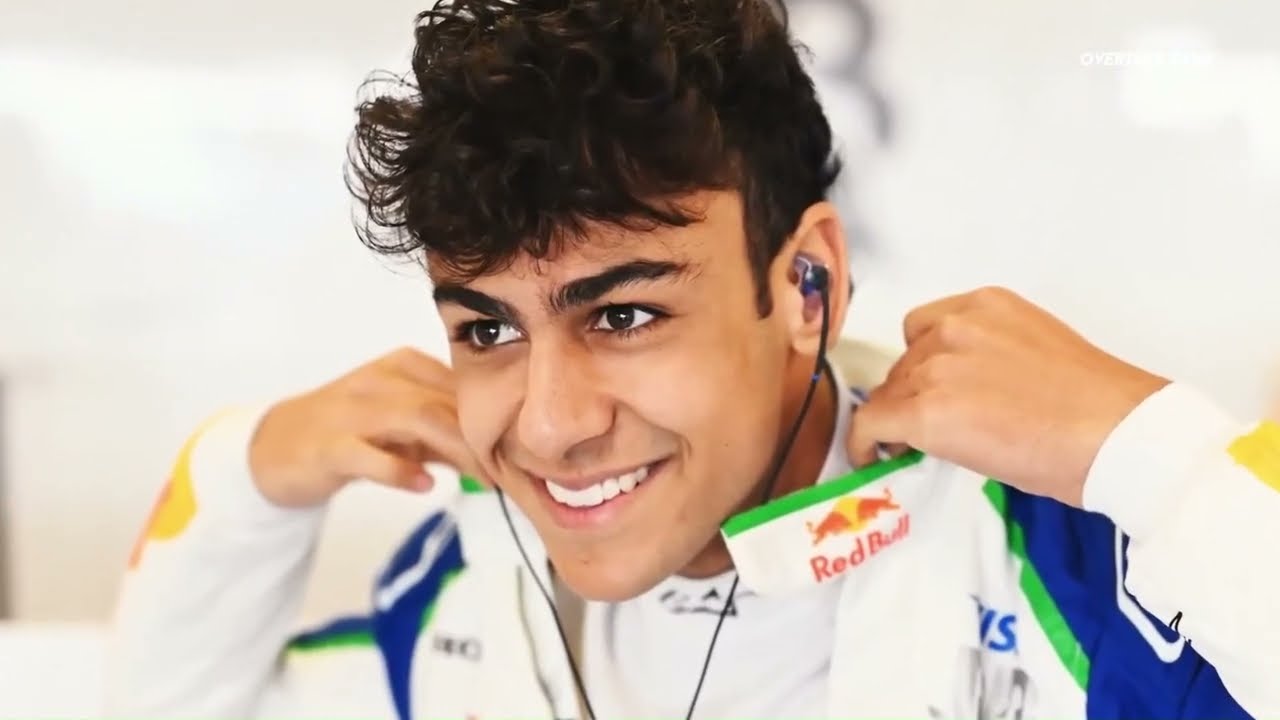
Red Bull used the test to give their newly confirmed driver, Isaac Hajar, a valuable head start for the 2026 season. Hajar completed 111 laps, a full day of work that provided him and the team with crucial shared knowledge and invaluable mileage in a car closely related to their recent machinery. Similarly, Arvid Lindblad, his replacement at Racing Bulls, logged his first official laps in Formula 1 machinery, completing 139 laps despite a minor car issue. For these young drivers, the test was more than data collection; it was a high-pressure audition, an emotional baptism under fire that fast-tracks their integration into the elite F1 environment.
The day wasn’t without drama. Rio Haryanto had a brief but costly excursion, crashing his Haas at Turn 1, which brought out a red flag. He damaged his rear wing, though he was able to return to the track later. Meanwhile, Esteban Ocon’s session was severely limited by technical problems, managing to complete only four laps—a devastating blow in a test where data logging is everything. The stark contrast between the rich days of Mercedes and Ferrari and the heavily compromised running of Alpine and Haas underscores how early technical issues can cascade into a significant competitive disadvantage down the line.
Finally, the session also highlighted other impressive young talents: Luke Browning, who set the third fastest time for Williams, and Paul Aaron, who posted the second fastest time during his running for Sauber. Their speed suggests that even as teams focus on future regulations, the fierce competition for grid spots and reserve roles remains as intense as ever.
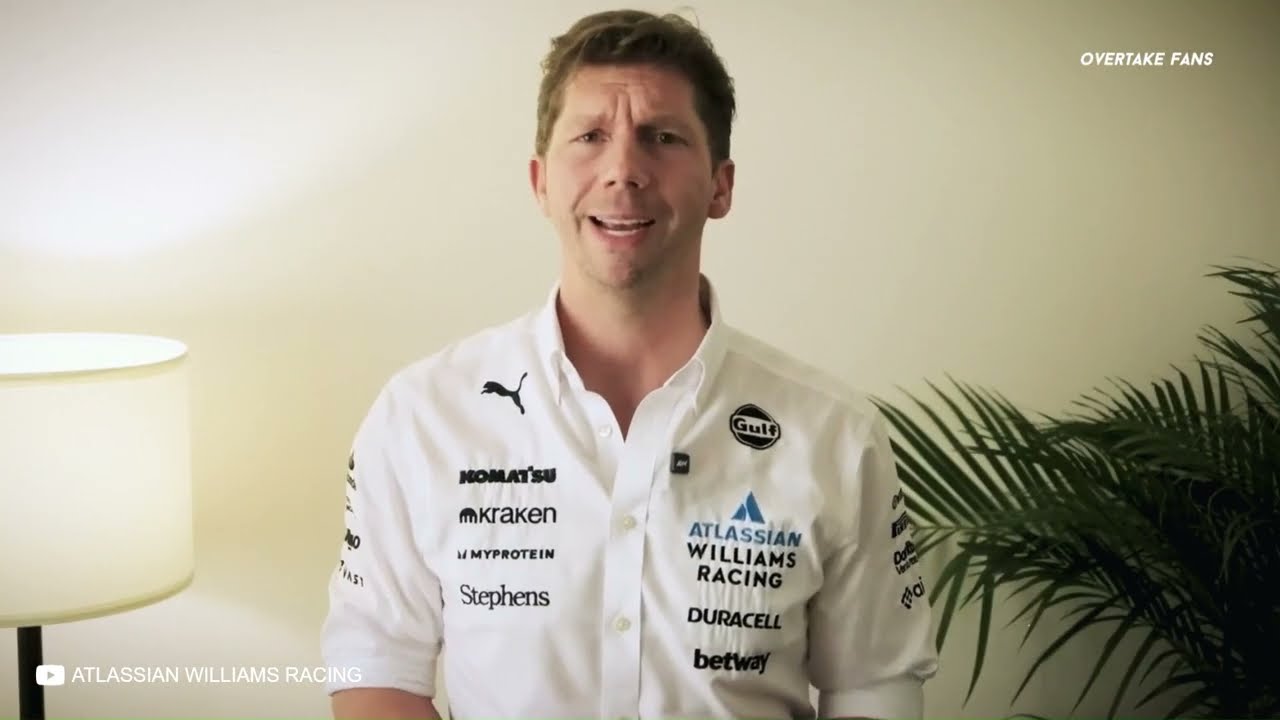
Ultimately, as Williams team principal James Vowles cautioned, the data gathered from the mule cars is still “too far away” from what the final 2026 machines will be to offer a definitive read on the competitive order. However, this test was never about final answers; it was about laying the foundation. By successfully trialing active aero systems, testing new tires, and integrating the next generation of drivers, the Abu Dhabi post-season session served as the definitive, high-stakes prologue to the 2026 season. Mercedes and Ferrari have shown their hand in the technical arms race, and the rest of the grid now faces the daunting challenge of catching up before the lights go out on the new era.