The world of Formula 1 is no stranger to high-stakes drama, but the latest revelations surrounding the sport’s two biggest icons—Lewis Hamilton and Adrian Newey—have sent shockwaves through the paddock. As we look toward the massive regulatory shift in 2026, the contrast between the rising sun at Aston Martin and the gathering clouds at Ferrari couldn’t be more stark. At the heart of this storm is a stinging critique that has left fans and insiders questioning the very role of a modern racing driver.
For years, the “Hamilton to Ferrari” move was whispered as the ultimate romantic conclusion to a legendary career. However, the reality of 2025 has been anything but a fairytale. Ferrari, once the bridesmaid of the championship in 2024, plummeted to a disappointing fourth place in the constructor standings. Hamilton himself suffered through a nightmare string of performances, including three consecutive Q1 exits that left the seven-time world champion looking uncharacteristically vulnerable.
Determined to right the ship, Hamilton reportedly went into “overdrive” mode. He revealed that he had been compiling extensive dossiers of notes, technical feedback, and strategic suggestions to help Ferrari bridge the gap to the front-runners. It was a gesture of total commitment, a veteran champion trying to use his decades of experience to lead a struggling team back to glory. But instead of gratitude, he was met with a verbal cold shower from one of Ferrari’s most formidable former leaders.
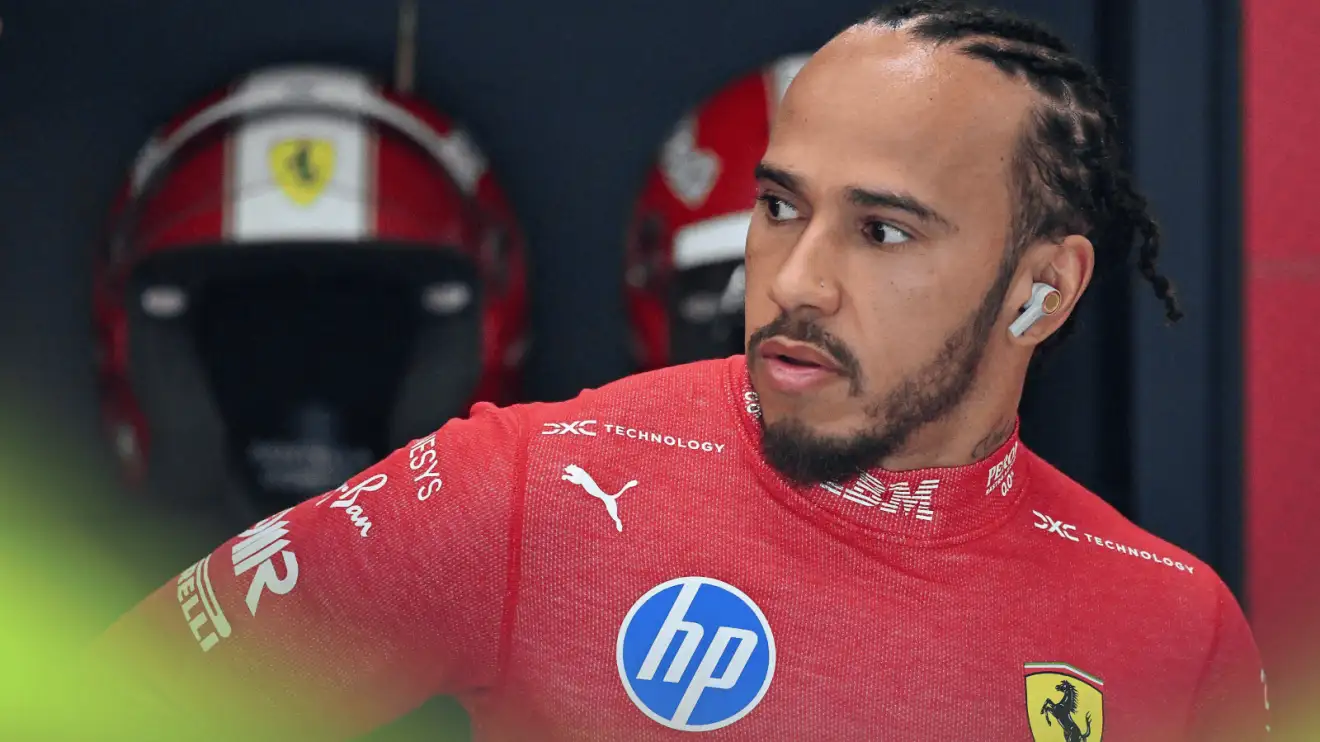
Maurizio Arrivabene, the former chief of Ferrari, didn’t hold back when asked about Hamilton’s “dossier” approach. Drawing a biting comparison to Sebastian Vettel’s tenure at Maranello, Arrivabene labeled such documents as “almost useless.” His logic was simple and brutal: “Everyone should mind their own business. When a driver starts playing engineer, that’s it then—it’s really over.”
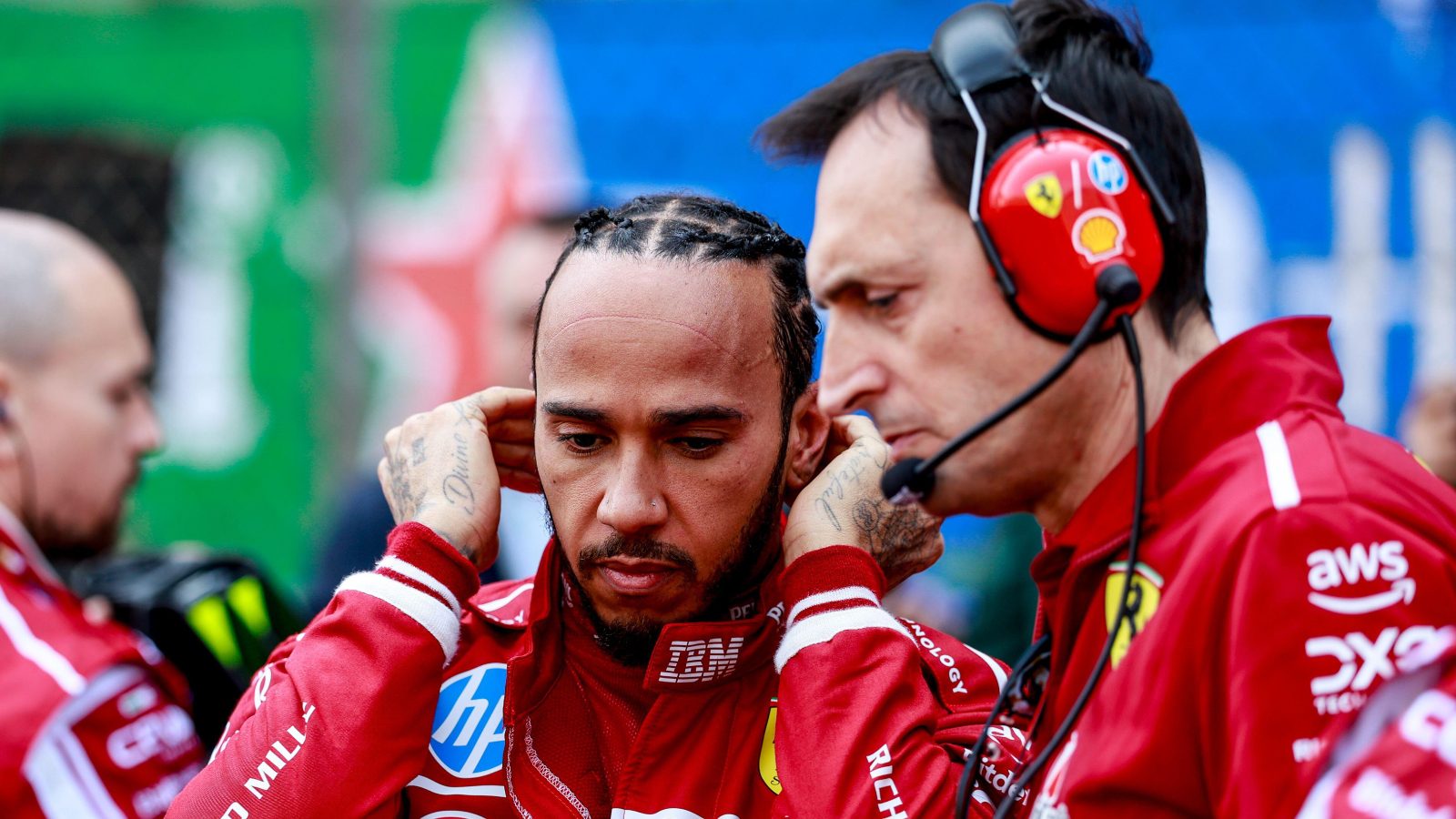
This sentiment highlights a deep-seated philosophical divide within the sport. To Arrivabene, a driver’s job is to provide raw feedback from the track and the simulator, not to tell the engineers how to design the components. He argued that while a driver feels the car, the “devil is in the details” that only an engineer can truly master. To suggest that a driver’s technical notes are a distraction rather than a roadmap is a heavy blow to Hamilton’s leadership style, especially as he attempts to integrate into the most political team on the grid.
While Ferrari grapples with this internal identity crisis, the atmosphere at Aston Martin is one of electric anticipation. The arrival of Adrian Newey, arguably the greatest designer in the history of the sport, has transformed the team’s outlook overnight. Newey isn’t just joining as a designer; he is stepping into a role as a managing technical partner and, eventually, Team Principal in 2026.
The synergy at Aston Martin is already showing signs of a “dream team” in the making. Koji Watanabe, the president of Honda Racing Corporation, has spoken about the “intense” yet joyful collaboration already taking place between Newey and the engine manufacturer. The two previously shared immense success at Red Bull, and their reunion at Aston Martin suggests a level of technical harmony that Ferrari currently lacks.
Watanabe described their meetings as a whirlwind of technical feedback, competitor analysis, and even management strategy. Unlike the friction seen at Ferrari, the Newey-Honda partnership appears to be built on a foundation of mutual respect and a singular, long-term focus on winning. With Newey at the helm for the 2026 regulation changes—a period where he has historically excelled—Aston Martin is positioning itself to leapfrog the established giants.
The 2026 regulations represent a clean slate. New power units and new chassis designs mean that the hierarchy of the grid is up for grabs. For Aston Martin, the goal is clear: replicate the “out of nowhere” success of 2023, where they fought for podiums from the first race, but this time, sustain it into a championship-winning campaign. With Newey’s genius and Honda’s power, they are the dark horse that everyone is starting to fear.
In contrast, Ferrari stands at a crossroads. The “useless” revelation regarding driver input suggests a rigid structure that might struggle to adapt to the collaborative needs of the modern era. If Hamilton is told to “mind his own business,” Ferrari risks silencing the very instincts that made him a seven-time champion. History has shown that the most successful eras in Formula 1—think Schumacher at Ferrari or Hamilton at Mercedes—were built on a deep, almost symbiotic relationship between the driver and the engineering department. By dismissing Hamilton’s proactive approach, Ferrari may be repeating the mistakes that led to the frustration of the Vettel years.
As we move toward the next season, the narrative is no longer just about who has the fastest car. It’s about culture. It’s about whether a team can listen to its greatest assets or if it will be stifled by its own traditions. Adrian Newey is being given the keys to the kingdom at Aston Martin, while Lewis Hamilton is being told to stay in his lane at Ferrari.
The stakes couldn’t be higher. If Aston Martin succeeds and Ferrari continues to stumble, the “useless” comment will go down in history as one of the most short-sighted dismissals in the sport. For now, Hamilton remains hopeful, clutching his notes and vowing to go the extra mile. Whether Ferrari chooses to read them or leave them in the trash could determine the legacy of the greatest driver of our generation.
One thing is certain: the 2026 season isn’t just a race for points; it’s a battle of philosophies. And as the “intense exchanges” continue behind closed doors, the fans are left to wonder: who will have the last laugh—the engineer-turned-boss or the driver-turned-engineer? The road to 2026 has never looked more dramatic.
