Public scrutiny has followed Meghan Markle since she and Prince Harry stepped back from senior royal duties in 2020.
Headlines often amplify speculation.
But when it comes to legal action, only a handful of disputes are formally documented through court rulings and verified proceedings.
Those cases reveal far more than rumor ever could.
📰 The Landmark Case Against Associated Newspapers

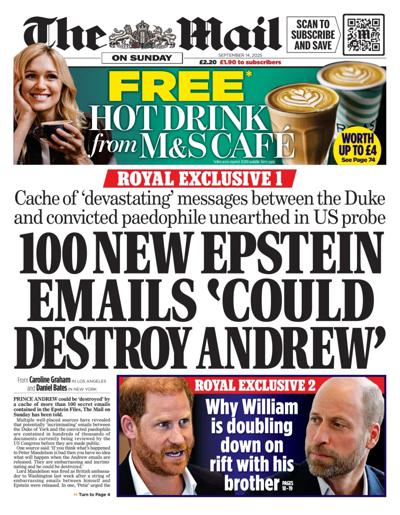

The most significant confirmed legal battle involved Associated Newspapers, publisher of the Mail on Sunday.
The dispute centered on the publication of a private letter Meghan sent to her father.
In 2021, the High Court ruled in her favor, concluding that publishing the letter breached her privacy and copyright. The Court of Appeal later upheld that decision.
The judgment marked a major moment in Britain’s long-running debate over:
-
Privacy rights
-
Press boundaries
-
Copyright protections
-
Public interest standards
It was not symbolic rhetoric — it was a court-backed legal victory.
⚔️ Prince Harry’s Parallel Legal Actions
Prince Harry has also launched separate claims against multiple British media groups over alleged unlawful information-gathering practices.
These cases, some ongoing, form part of broader legal scrutiny into tabloid reporting methods in the UK.
Unlike online speculation, these disputes are documented through official filings and court proceedings — making them the clearest evidence of the Sussexes’ stance toward press accountability.
🎙️ Public Statements, Not Anonymous Sources
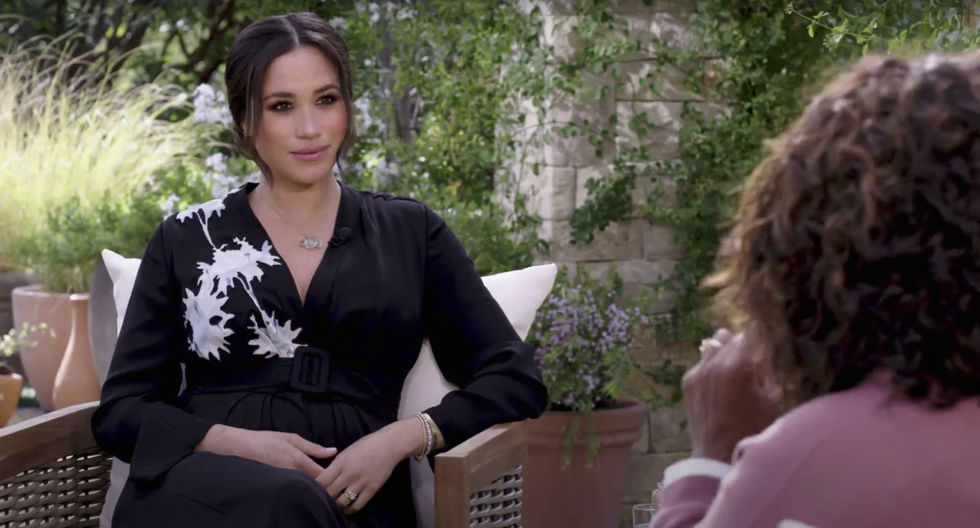


In their 2021 interview with Oprah Winfrey, the couple spoke openly about the emotional toll of media scrutiny.
They described:
-
Sustained tabloid pressure
-
Mental health strain
-
The need for personal boundaries
-
A desire for responsible reporting
Prince Harry has repeatedly connected his legal actions to concerns about history repeating itself — particularly in reference to the late Diana, Princess of Wales.
These comments were delivered in recorded interviews, not through unnamed sources — offering a direct window into their perspective.
📱 Controlled Visibility in the Digital Age
Since leaving royal duties, Meghan has adopted a carefully managed public presence.
She does not operate a personal public social media account. Instead, communications are shared through official channels linked to Archewell and partner organizations.
This strategy reflects a broader effort to:
-
Shape narrative intentionally
-
Limit online exposure for their children
-
Balance public engagement with privacy
Unlike many public figures, her visibility is selective rather than constant.
🧠 The Larger Debate: Press Freedom vs. Privacy
The Sussexes’ legal challenges sit within a wider constitutional discussion in the United Kingdom.
UK law recognizes both:
-
Freedom of expression
-
The right to privacy
Courts must weigh public interest against personal rights when disputes arise.
Meghan’s High Court victory demonstrates how that legal balance can tip toward privacy when publication crosses defined boundaries.
At the same time, media outlets maintain the legal right to report on public figures — especially in matters deemed legitimate public interest.
This tension is not unique to Meghan. It reflects a broader global debate over modern journalism ethics.
🌍 A Divided Public
Polling and media analysis consistently show polarized views of the Sussexes.
Some see them as advocates for modernization and transparency.
Others criticize their public approach.
Royal coverage, by nature, carries heightened symbolic weight. The monarchy blends history, celebrity, and constitutional identity — meaning even routine events can spark disproportionate reaction.
In that environment, legal action becomes more than litigation.
It becomes a statement about boundaries.
🏛️ Conclusion: A Fight Through Legal Channels
What can be substantiated through court rulings and verified reporting is clear:
-
Meghan pursued and won a landmark privacy case.
-
Prince Harry continues legal challenges regarding press practices.
-
Both have publicly articulated concerns about media intrusion.
The debate surrounding their actions is ongoing — but the documented record shows a deliberate strategy: challenge what they view as unlawful reporting through formal legal systems, while controlling public communication more tightly.
In the digital era, where perception spreads faster than fact, the intersection of fame, privacy, and journalism remains volatile.
And the Duchess of Sussex remains at the center of that evolving conversation — not through speculation, but through the courts.
